


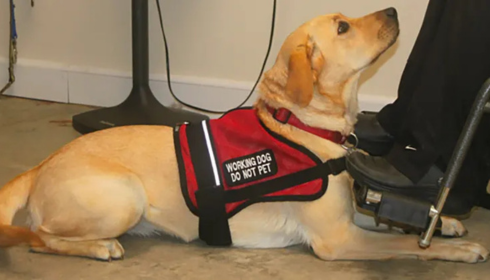
If you’ve ever wondered can small dogs be service dogs, you’re not alone. It’s a question filled with misconceptions, assumptions, and when answered correctly empowering possibilities. Small-breed companions like Chihuahuas, Poodles, or Yorkies might not fit the stereotypical image of a service dog, but with the right training, temperament, and purpose, they absolutely can serve alongside their handlers with professionalism and impact.
At Rob’s Dog Training, we’ve seen firsthand how well-trained small dogs can excel as service animals when their tasks align with their handler’s needs. In this deep dive, we’ll explore the realities behind small dogs in service roles, how their unique traits can be strengths, and actionable tips to maximize their potential.
What Does it Really Mean: Can Small Dogs Be Service Dogs?
The short answer is yes small dogs can be service dogs, but there are important nuances to understand.
A service dog is defined under the Americans with Disabilities Act (ADA) as a dog individually trained to perform one or more specific tasks directly related to a person’s disability. The ADA doesn’t specify breed, size, or weight only function and behavior matter.
This means that regardless of stature, if a dog reliably performs beneficial tasks that mitigate a disability, that dog can be a service dog.
Why Size Doesn’t Define Service Ability
Most people picture service dogs as large breeds like Labradors or German Shepherds. That’s because historically, these breeds were commonly chosen for mobility support tasks, such as:
- Guiding individuals with visual impairments
- Assisting with balance or transferring
- Pulling wheelchairs or heavy loads
But not all service tasks require size or strength.
Small dogs shine in areas where agility, alertness, and portability matter more than muscle mass. For example:
Small Dog Strengths in Service Roles
- Alerting to medical conditions such as seizures, low blood sugar (diabetes alerts), or heart rhythm irregularities
- Providing deep pressure therapy for anxiety or PTSD
- Fetching small essential items like phones or medication
- Interrupting harmful behaviors (e.g., self-harm, repetitive movements)
- Public safety tasks like alerting to allergens or sounds
When trained properly, these jobs don’t depend on size they depend on reliability, focus, and temperament.
Common Misconceptions About Small Service Dogs
Many people assume small dogs can’t be service dogs because of myths like:
“They’re too yappy.”
“They can’t handle public environments.”
“They’re fragile or easily distracted.”
These are generalizations based more on bias than fact. Any dog big or small can struggle or succeed depending on temperament, genetics, training consistency, and socialization.
The real indicator of service potential is not size it’s:
Trainability
Stable temperament
Work drive and focus
Ability to generalize tasks in various environments
So before dismissing a small dog from service work, consider their individual personality and skill set.
Top Small Dog Breeds Suited for Service Roles
Some small breeds frequently excel due to a combination of intelligence, temperament, and adaptability:
1. Miniature Poodle / Toy Poodle
- Highly intelligent and trainable
- Responds quickly to cues
- Thrives in structured learning
2. Cavalier King Charles Spaniel
- Calm and empathetic
- Naturally tuned to human emotion
- Excellent for therapy and emotional support tasks
3. Papillon
- Quick learners with strong work ethic
- Great for alerting tasks and agility-based work
4. Shih Tzu
- Gentle and steady
- Good for consistent pressure therapy or anxiety support
5. Yorkshire Terrier
- Eager to please
- Can be trained for alert tasks and behavior interruption
These breeds aren’t inherently better than others but their traits often align well with service training demands.
What Tasks Can Small Service Dogs Perform?
When considering can small dogs be service dogs, it helps to know EXACTLY what tasks they can be trained to do. Small dogs excel in roles where strength is not required but precision, focus, and sensing ability are.
Medical Alert Tasks
- Detecting changes in blood sugar
- Sensing when a seizure may be imminent
- Alerting to heart or respiratory irregularities
Small dogs like terriers and poodles can be trained to recognize subtle scent changes or behavior patterns that signal medical events a powerful service outcome.
Psychiatric Support
- Interrupting panic attacks
- Providing grounding during anxiety or PTSD episodes
- Creating safe space in overwhelming environments
Their lap-sized build makes them ideal for deep pressure therapy a clinically effective method for calming nerves.
Task-Based Assistance
- Retrieving phones or medication bottles
- Alerting a caregiver
- Guiding handler to seated support
Smaller dogs can learn how to manipulate objects with their mouths effectively.
Navigating Public Access and Legal Rights
Understanding ADA guidelines is essential for anyone asking can small dogs be service dogs. According to the ADA:
Service dogs must be under control and reliably trained, regardless of size.
Public access rights apply to all service dogs no breed discrimination.
Handlers are not required to disclose their disability.
Businesses can only ask two questions:
- “Is the dog required because of a disability?”
- “What task has the dog been trained to perform?”
A well-trained small service dog should be calm, unobtrusive, and task-focused when in public meeting ADA expectations just like any larger service dog.
How to Build Reliable Small Service Dogs
Training a small dog to become a service dog is NOT a cookie-cutter process. It requires tailored training programs that address both behavior and task performance.
At Rob’s Dog Training, we emphasize a structured approach that includes:
1. Task Identification
Define the disability-related need first. What specific task will the dog perform that directly mitigates the disability?
2. Incremental Training Goals
Break down complex tasks into measurable steps. Small dogs may learn differently than larger breeds sequencing matters.
3. Impulse Control Work
Small breeds often have high energy or distraction tendencies. Training impulse control (like “stay,” “leave it,” and “settle”) supports consistency.
4. Environmental Generalization
Practice tasks across varied settings home, public spaces, crowded areas, transportation hubs, etc.
5. Handler Partnership
Service work is about connection. We train handlers to communicate clearly, reward appropriately, and manage stress effectively.
How to Evaluate if Your Small Dog Is a Good Candidate
Not all dogs regardless of size are suited for service work. Let’s look at key indicators:
Temperament Checklist
- Calm under distraction
- Focuses on handler, not self
- Easily redirected
- Unaffected by crowds or noise
Work Ethic Signals
- Enjoys learning new tasks
- Shows motivation (to food, toy, praise)
- Responds quickly to training cues
Warning Signs
- Excessive fear or shyness
- Overreactivity to strangers or noises
- Inconsistent attention span
These traits impact trainability, which is far more important than height or weight.
Tips for Maintaining a High-Performing Small Service Dog
Once trained, small service dogs require consistent care to stay reliable:
Routine Reinforcement
Weekly skill refreshers ensure tasks stay sharp.
Physical Well-Being
Small dogs can be prone to dental, joint, or respiratory issues regular vet checkups are essential.
Mental Health
Rotation of enrichment games keeps focus high and burnout low.
Small Dogs vs. Emotional Support Animals: Know the Difference
Another reason people ask can small dogs be service dogs is confusion with emotional support animals (ESAs). They are not the same.
Service Dogs:
Trained to perform specific tasks related to a disability.
ESAs:
Provide comfort and emotional support without task training requirements.
Only service dogs have guaranteed public access rights under the ADA. ESAs do not.
Real-Life Impact: Stories of Small Service Dogs
Let’s look at real-world examples:
Diabetes Alert Success
A small Poodle mix learned to alert her handler when blood sugar dropped saving her from dangerous lows.
PTSD Grounding Support
A tiny Terrier consistently interrupts panic episodes and provides calming weight during intense anxiety a task larger breeds sometimes can’t deliver as comfortably.
These real cases show that service ability is determined by effectiveness, not size.
Can Small Dogs Be Service Dogs?
Yes but with key conditions:
They must perform specific, trained tasks
Their behavior must be predictable and professional
The tasks must directly relate to the disability
Small dogs CAN be powerful, life-enhancing service companions when trained with intention, consistency, and expert guidance. At Rob’s Dog Training, we’ve seen firsthand how small dogs rise to the challenge and make meaningful impacts in their handlers’ lives.
If you’re exploring can small dogs be service dogs for yourself or a loved one, remember: the right training changes possibilities drastically.