


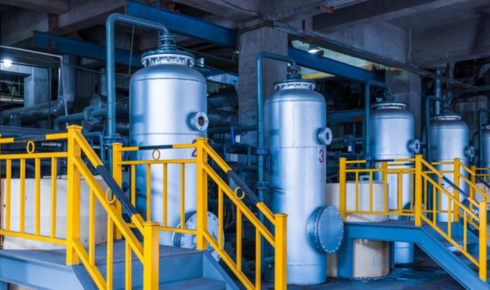
Water plays a vital role in many industries, from manufacturing and food processing to pharmaceuticals and energy production. As industries continue to grow, the demand for clean and efficient water management systems has increased significantly. This is where Industrial water treatment solutions become essential. These systems help businesses maintain water quality, improve operational efficiency, and comply with environmental regulations.
Modern industries rely heavily on advanced technologies to treat and reuse water. With the right industrial water treatment systems, companies can reduce waste, lower operational costs, and ensure sustainable production processes.
Why Industrial Water Treatment Is Important
Industrial processes often generate wastewater that contains chemicals, minerals, oils, and other contaminants. If this water is not treated properly, it can cause environmental damage and lead to regulatory penalties.
By implementing reliable water treatment technologies, companies can remove harmful impurities and ensure that water used in production meets safety and quality standards. This not only protects the environment but also improves equipment performance and extends the lifespan of industrial machinery.
Industries such as textiles, chemical manufacturing, food production, and power generation all require efficient water purification to operate smoothly.
Role of Industrial Reverse Osmosis Systems
One of the most effective technologies used in modern water treatment is the industrial reverse osmosis system. Reverse osmosis works by forcing water through a semi-permeable membrane that removes dissolved salts, heavy metals, bacteria, and other contaminants.
This advanced filtration method is widely used in industries where high-purity water is essential. For example, pharmaceutical companies and electronics manufacturers rely on reverse osmosis to produce ultra-clean water required for sensitive production processes.
An industrial reverse osmosis system also helps businesses reduce water consumption by enabling water recycling and reuse. This contributes to sustainability goals while lowering operating costs.
Benefits of Industrial Water Filtration Systems
Another important component of modern water treatment infrastructure is industrial water filtration systems. These systems use a combination of filters, membranes, and purification technologies to remove solid particles, sediments, and organic impurities from water.
Industrial filtration systems are commonly used as a pre-treatment stage before advanced purification processes like reverse osmosis or chemical treatment. By removing larger contaminants early in the process, these systems help protect more delicate equipment and improve overall treatment efficiency.
High-quality filtration systems can significantly improve water clarity, protect industrial pipelines from clogging, and maintain the quality of water used in production.
Commercial Water Purification Systems for Businesses
Beyond heavy industries, many commercial facilities also require reliable water treatment. Hotels, hospitals, restaurants, and office complexes rely on commercial water purification systems to provide safe and clean water for daily operations.
These purification systems remove harmful microorganisms, chemicals, and unwanted minerals from water supplies. In industries like food and beverage production, purified water is critical for maintaining product quality and meeting health regulations.
Commercial purification systems are designed to be efficient, scalable, and easy to maintain, making them suitable for businesses of all sizes.
Choosing the Right Industrial Water Treatment System
Selecting the right water treatment solution depends on several factors, including water source quality, industry requirements, and production scale. A well-designed treatment system may include multiple technologies such as filtration, reverse osmosis, chemical treatment, and UV purification.
Businesses should work with experienced water treatment specialists to analyze their water quality and design customized systems that meet their specific operational needs.
Proper maintenance is also crucial for ensuring long-term performance. Regular monitoring, filter replacement, and system inspections help maintain efficiency and prevent costly downtime.
Future of Industrial Water Treatment
As industries move toward more sustainable practices, the demand for efficient water treatment technologies will continue to grow. Innovations in filtration, membrane technology, and smart monitoring systems are making water treatment more effective and environmentally friendly.
With advanced Industrial water treatment solutions and reliable industrial water treatment systems, businesses can ensure clean water usage, protect the environment, and improve operational productivity. Investing in modern water treatment technology is not only a smart business decision but also a responsible step toward sustainable industrial growth.