


Introduction
Electronics technology continues to evolve, offering innovative components that make projects smarter, safer, and more efficient. Among the most popular devices used in educational, industrial, and hobby projects are gas leakage detector, flex sensors, and drone motors. These components play vital roles in safety systems, motion sensing applications, and aerial robotics. Understanding their functionality and applications can help students, engineers, and electronics enthusiasts create advanced and practical projects.
What Is a Gas Leakage Detector?
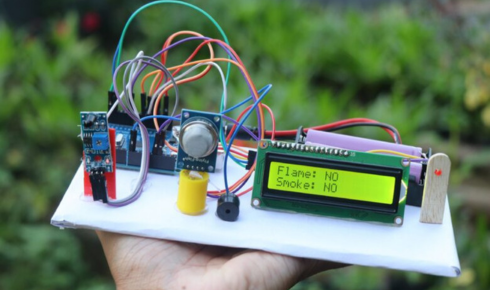
A gas leakage detector is an electronic device designed to identify the presence of harmful gases in the environment. These detectors are commonly used in homes, laboratories, factories, and commercial buildings to prevent accidents caused by gas leaks.
The primary purpose of a gas leakage detector is to monitor air quality and provide an immediate warning when dangerous gas levels are detected. Most detectors use specialized sensors capable of identifying gases such as LPG, methane, propane, and carbon monoxide. When gas concentration exceeds a predefined limit, the system activates alarms, buzzers, or notification systems.
Importance of Gas Leakage Detection
Gas leaks can lead to serious safety hazards, including explosions, fires, and health issues. Installing gas leakage detection systems significantly reduces these risks by providing early alerts.
Modern gas detection systems are often integrated with smart technologies that can automatically shut off gas supplies or send notifications to mobile devices. This added layer of protection makes them highly valuable in both residential and industrial environments.
Applications of Gas Leakage Detectors
Gas leakage detectors are widely used in chemical plants, manufacturing facilities, hospitals, restaurants, and households. They help ensure compliance with safety standards while protecting lives and property.
In educational projects, these detectors are commonly incorporated into IoT-based safety systems where sensor data can be monitored remotely through smartphones or cloud platforms.
Understanding Flex Sensors
A flex sensor is a specialized electronic component that measures bending or flexing motion. Its resistance changes when the sensor is bent, allowing electronic systems to detect movement and position changes accurately.
The growing popularity of the flex sensor in robotics and wearable technology is due to its simplicity and effectiveness. These sensors can easily be integrated into circuits using microcontrollers such as Arduino, Raspberry Pi, and ESP32 boards.
How Flex Sensors Work
Flex sensors operate on the principle of variable resistance. When the sensor remains straight, it maintains a baseline resistance. As it bends, the resistance increases proportionally to the degree of flexing.
This change in resistance is interpreted by a microcontroller, enabling the system to determine the amount of movement. This functionality makes flex sensors highly useful for motion tracking and gesture recognition applications.
Applications of Flex Sensors
Flex sensors are widely used in virtual reality gloves, robotic hands, medical rehabilitation devices, gaming controllers, and wearable electronics. They enable precise motion detection and improve user interaction with electronic systems.
In educational settings, students often use flex sensors to build gesture-controlled robots and smart wearable devices that demonstrate advanced sensor technologies.
Introduction to Drone Motors
Drone motors are among the most critical components in unmanned aerial vehicles (UAVs). These motors generate the thrust required for flight and directly impact a drone’s stability, speed, and overall performance.
A high-quality drone motor is designed to deliver efficient power while maintaining lightweight construction. Most modern drones use brushless motors because they offer superior durability, reliability, and energy efficiency compared to brushed alternatives.
Benefits of Using Drone Motors
Drone motors provide excellent power-to-weight ratios, enabling drones to fly longer and carry heavier payloads. Their efficient design minimizes energy consumption while maximizing flight performance.
Additionally, brushless drone motors require less maintenance and produce smoother operation. These advantages make them suitable for professional photography drones, racing drones, agricultural UAVs, and industrial inspection systems.
Applications of Drone Motors
Drone motors are widely used in aerial photography, surveillance, mapping, agriculture, search-and-rescue operations, and scientific research. Their ability to provide precise control and stable flight has transformed numerous industries.
Many electronics enthusiasts also use drone motors in DIY projects to learn about aerodynamics, motor control systems, and autonomous flight technologies.
Conclusion
Gas leakage detectors, flex sensors, and drone motors are essential components in modern electronics and engineering projects. Gas leakage detectors enhance safety through early hazard detection, flex sensors enable advanced motion-sensing capabilities, and drone motors power innovative aerial technologies. By understanding these components and their applications, students and professionals can develop smarter, safer, and more efficient electronic systems while gaining valuable hands-on experience in emerging technologies.