


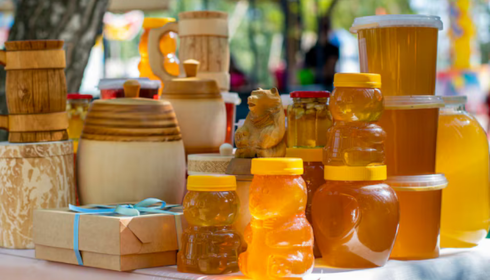
As a beekeeper, the moment of harvest is the culmination of a season’s worth of hard work, patience, and dedication. Your bees have worked tirelessly to produce a golden, pure, and delicious product. Now, it’s your turn to present that liquid gold to the world. The container you choose plays a surprisingly important role in how your honey is perceived, preserved, and enjoyed.
For anyone looking to find honey containers for sale, the first and most crucial decision you’ll face is the material: glass or plastic? This isn’t just a matter of aesthetics; it’s a choice that impacts everything from product integrity and customer appeal to your environmental footprint.
Let’s dive deep into the pros and cons of glass and plastic honey jars to help you select the perfect container for your harvest.
<H2> The Classic Choice: Glass Honey Jars
Glass has been the traditional container for honey for centuries, and for good reason. It evokes a sense of purity, quality, and timelessness that many artisanal beekeepers and consumers love and trust.
<H3> Advantages of Glass:
- Premium Presentation and Purity: Glass is inert, meaning it won’t interact with your honey. It will never impart any foreign tastes or odors, guaranteeing that the delicate notes of your honey remain untainted from the jar to the spoon. The crystal-clear clarity beautifully showcases the color and texture of your honey, making it look incredibly appealing on any shelf.
- Environmental Sustainability: Glass is 100% recyclable and can be recycled endlessly without loss of quality. Environmentally-conscious consumers often prefer glass for this reason. Many customers love to reuse glass jars for everything from storing spices to crafting and drinking glasses, extending the life of the container long after the honey is gone.
- Brand Perception and Value: A product in a glass jar is often perceived as being of higher quality, allowing you to command a premium price. The substantial weight and appearance of glass make it viewed as a premium, artisanal product that justifies a higher price point than the same honey in plastic.
- Reusability and Versatility: The reusability factor is a huge plus. Customers appreciate a container that offers a second life, which can be a unique selling point for your brand.
- High Heat Tolerance: When honey crystallizes, gently warming it is the best way to restore its smooth texture, and glass jars can withstand this process without warping or releasing harmful chemicals. Additionally, glass distributes heat evenly, reducing the risk of overheating or damaging the honey’s delicate enzymes.
<H3> Disadvantages of Glass:
- Weight and Shipping Costs: Glass is significantly heavier and more fragile than plastic. This increases your shipping costs, both for receiving empty honey containers for sale and for sending out filled orders to customers. This is one of the most critical financial factors to consider.
- Breakability: Breakage can happen during transit, while filling the jars, or during shipment to a customer. This leads to product loss, potential safety hazards, and unhappy customers. Dependable glass jars might not be prone to breaking, but are still at a higher risk for breakage than plastic.
- Higher Initial Cost: Generally, glass jars have a higher per-unit cost than their plastic counterparts, which can impact your initial investment.
<H2> The Modern Contender: Plastic Honey Jars
Modern food-grade plastics have become a popular and practical choice for many beekeepers, especially those producing in larger volumes or focusing on a budget-friendly market.
<H3> Advantages of Plastic:
- Durability and Safety: Plastic jars provide a shatter-resistant alternative to glass. This decreases the risk of breakage during filling, handling, and shipping. For sellers who ship honey frequently or for environments where jars can be knocked over, this durability is a massive advantage.
- Lightweight and Cost-Effective Shipping: The lightweight nature of plastic is its biggest financial benefit. It reduces shipping costs for both empty and filled jars, making your operation more profitable, especially for online sales.
- Affordability: When you’re browsing honey containers for sale, you’ll immediately notice that plastic options are more budget-friendly per unit. This lower initial cost allows you to maintain healthy profit margins and offer your honey at a more competitive price point.
- Design Flexibility: Plastic can be easily molded into a wide variety of shapes and sizes, including convenient squeeze bottles, which are incredibly popular for their ease of use.
<H3> Disadvantages of Plastic:
- Potential for Scratches and Cloudiness: Over time, plastic jars can become scratched, which can make them look worn. Some plastics may also cloud, making it harder to see the honey inside.
- Perception of Lower Quality: Unlike the timeless elegance of glass, plastic often carries connotations of synthetic, mass-produced materials. This perception can make it harder to position your honey as a premium, artisanal product.
- Environmental Concerns: While many plastic honey jars are made from recyclable PET (polyethylene terephthalate) or PP (polypropylene) plastics, the reality of plastic recycling is complex. Many consumers are actively trying to reduce their plastic consumption, and this could influence their purchasing decisions.
- Long-Term Storage Questions: While food-grade plastics are entirely safe for honey, some purists argue that for very long-term storage of many years, glass is the superior, time-tested barrier.
<H2> Making the Right Choice for Your Honey Business
So, which material is the winner? The truth is, there is no one-size-fits-all answer. The best choice depends entirely on your product or brand, target market, and business model.
<H3> Choose Glass if:
- You are positioning your product or brand as premium, artisanal, or gourmet.
- Your primary sales channels are farmers’ markets, craft fairs, or specialty gift shops where the visual appeal is paramount.
- Your target customer is environmentally conscious and values recyclable and reusable packaging.
- Your production volume is smaller, and shipping costs are a secondary concern.
<H3> Choose Plastic if:
- Your top priorities are cost-efficiency and durability.
- You do a high volume of online sales where reducing shipping weight is critical to profitability.
- You are selling to bulk buyers, restaurants, or a more price-sensitive market.
- You want to offer the convenience of squeeze bottles or other unique shapes.
<H3> A Hybrid Strategy: The Best of Both Worlds
Many successful beekeepers don’t choose one exclusively. They employ a hybrid strategy:
- Use glass jars for standard retail sizes sold locally.
- Use lightweight plastic squeeze bottles or jars for online stores and for larger, bulk-sized options.
This approach allows you to cater to different customer segments and sales channels without compromise.
<H2> Final Thoughts Before You Buy
Before you click “order” on any batch of honey containers for sale, remember these final tips:
- Source Quality Lids: Whether you choose glass or plastic, a secure, leak-proof lid is non-negotiable. For glass, ensure you have high-quality, lined lids to create a perfect seal.
- Order Samples: Always order samples of both glass and plastic jars before making a bulk purchase. Feel them, fill them, and see how they look with your honey and your label.
- Think About Labeling: Consider how your labels will adhere to both surfaces. Glass provides a perfectly smooth surface, while some plastics can have curves or seams that make labeling tricky.
Your honey deserves packaging that reflects its natural perfection and your craftsmanship. The Cary Company offers a wide range of honey glass jars and plastic jars designed to protect your product while creating a lasting first impression. Whether you’re looking for the timeless elegance of glass or the lightweight convenience of plastic, their containers help your harvest shine its brightest. Explore their selection today and find the perfect jar to match your business goals and customer expectations.