


When couples hear the word insemination, many assume it means a simple fertility procedure. But in an IVF setting, insemination has a very specific meaning: it’s the lab step where eggs and sperm are brought together to create embryos—either by allowing fertilization to happen naturally in a culture dish or by using advanced micromanipulation techniques like ICSI.
If you want to understand this step clearly (without the jargon), this guide is for you. And if you’re exploring treatment options, you can read more about insemination.
What Does “Insemination” Mean in IVF?
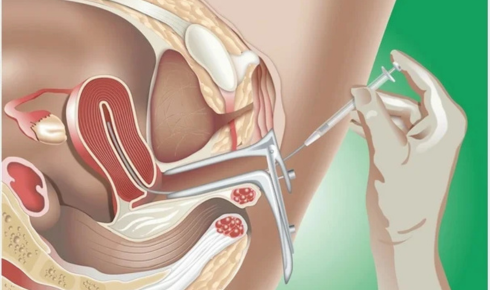
In IVF, insemination is not the same as IUI (where washed sperm is placed into the uterus). Instead, insemination in IVF happens outside the body—in a controlled lab environment—after eggs are retrieved.
In simple terms:
- Egg retrieval happens first (collecting mature eggs from the ovaries).
- Sperm is prepared in the lab (selecting motile, healthy sperm).
- Insemination is the moment fertilization is attempted—and this is where IVF becomes truly “in vitro.”
The Two Main Ways IVF Insemination Is Done
The insemination step isn’t always the same for every patient. Most IVF cycles use one of these approaches:
1) Conventional IVF Insemination (Standard Mixing)
This method allows fertilization to occur “naturally” in a lab dish:
- A prepared sperm sample is placed with each egg in a culture dish.
- The strongest sperm penetrates the egg on its own.
- Embryologists monitor for fertilization signs the next day.
Commonly chosen when:
- sperm count and motility are reasonable
- no history of failed fertilization
- egg quality is expected to be normal
2) ICSI (Intracytoplasmic Sperm Injection)
ICSI is the precision option:
- An embryologist selects one sperm and injects it directly into the egg using a microneedle.
- Fertilization is checked the next day, just like standard IVF.
Often recommended when:
- sperm count is low or motility is poor
- morphology is a concern
- sperm is retrieved surgically
- there’s unexplained infertility or prior fertilization failure
Important note: ICSI helps overcome sperm-related barriers, but it doesn’t guarantee an embryo will develop—development still depends on egg quality + embryo genetics.
What Happens Immediately After IVF Insemination?
Once insemination is completed, the process shifts into embryo development and selection.
Day 1: Fertilization Check
Embryologists look for normal fertilization markers (typically two pronuclei). This step helps confirm:
- fertilization occurred
- fertilization looks normal (not abnormal multi-fertilization)
Days 2–3: Early Embryo Development
Embryos begin dividing (2-cell → 4-cell → 8-cell stages). Labs assess:
- cell number
- fragmentation
- symmetry and quality indicators
Days 5–6: Blastocyst Stage
Many clinics culture embryos to blastocyst stage because it helps identify embryos with stronger developmental potential.
At this stage, your team may discuss:
- fresh transfer vs frozen (FET)
- whether genetic testing (PGT) is relevant
- how many embryos to transfer (often single embryo transfer to reduce multiples risk)
IVF Insemination Success: What Factors Matter Most?
People often focus on “standard IVF vs ICSI,” but success is influenced by a bigger combination of factors:
Egg-related factors
- age and ovarian reserve
- egg maturity at retrieval
- egg quality (which affects embryo development)
Sperm-related factors
- motility, morphology, and DNA integrity
- presence of infection/inflammation
- preparation quality in the lab
Lab conditions (hugely important)
- culture media quality
- temperature/pH stability
- embryologist expertise and monitoring protocols
Timing and hormone coordination
- trigger shot timing
- egg retrieval timing
- sperm collection timing and preparation
Common Questions People Ask About IVF Insemination“Is insemination in IVF painful?”
No—this step occurs in the lab, not inside your body. You won’t feel the insemination itself. Any discomfort is usually from:
- ovarian stimulation symptoms
- egg retrieval recovery
- progesterone support afterward
“Can insemination fail?”
Yes, fertilization may not occur, though it’s not common. Possible causes include:
- egg maturity issues
- sperm function issues
- egg-sperm activation mismatch
- underlying genetic factors
This is why many clinics recommend ICSI in certain cases—particularly to reduce risk of fertilization failure.
“Do I always need ICSI?”
Not always. ICSI is very useful in male-factor infertility, but standard insemination can be appropriate when sperm parameters are strong and there’s no prior history of fertilization problems.
IVF Insemination: The Key Takeaway
In IVF, insemination is the turning point—the carefully controlled moment where fertilization is attempted and embryo development begins. Whether it’s done through standard insemination or ICSI, the goal is the same: create healthy embryos with the best chance of implantation and a successful pregnancy.