


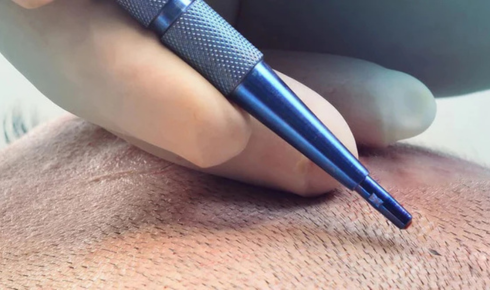
The field of hair restoration is one of constant evolution. Just a few decades ago, the standard procedure involved removing a large strip of skin from the back of the head, leaving a permanent linear scar. This method, known as FUT (Follicular Unit Transplantation), was eventually superseded by FUE (Follicular Unit Excision), a technique where individual follicles are harvested one by one. FUE revolutionized the industry by eliminating linear scarring and reducing downtime. However, innovation didn’t stop there. The latest leap forward in FUE technology comes not from a new surgical maneuver, but from the material used to perform it: precious gemstones.
Sapphire FUE is rapidly becoming the gold standard in hair restoration, yet many patients are unsure of what actually differentiates it from a standard FUE procedure. The difference lies entirely in the tool used to create the recipient sites—the tiny channels where the new hair grafts are implanted.
The Limitations of Steel
In a traditional FUE procedure, the surgeon uses steel blades to open the channels in the balding area. While effective, steel has microscopic imperfections. At a cellular level, steel blades can lose their sharpness over the course of thousands of incisions. As the blade dulls, it causes more trauma to the tissue, leading to larger scabs and potentially more swelling. Furthermore, steel blades are typically U-shaped. This shape requires a slightly larger incision to accommodate the graft, which limits how closely the grafts can be packed together.
The Sapphire Advantage
Sapphire FUE replaces these steel blades with blades made from synthetic sapphire crystal. Sapphire is incredibly hard and retains its sharpness far longer than steel. More importantly, sapphire blades are V-shaped. This geometry allows the surgeon to create much smaller, more precise incisions. Because the blade is so sharp and smooth, it glides into the skin without dragging or tearing the tissue. This reduction in trauma is the key to faster recovery.
When a patient undergoes a hair transplantation using sapphire blades, the tissue damage is minimized. This means there is significantly less bleeding during the procedure and less scabbing afterward. The smaller the scab, the faster it heals and falls off. While traditional FUE patients might see scabs lingering for 10 to 14 days, Sapphire FUE patients often see their scabs clear up within 7 to 10 days. This accelerated healing reduces the risk of infection and allows patients to return to their normal social lives sooner.
Density and Direction
Beyond healing times, the primary cosmetic benefit of Sapphire FUE is density. Because the V-shaped incisions are smaller, surgeons can open channels much closer to one another without compromising the blood supply between them. This is crucial for patients with advanced hair loss who need maximum coverage. It allows for a higher number of grafts per square centimeter, creating a fuller, thicker look that better mimics natural hair density.
Furthermore, the rigidity of the sapphire blade offers the surgeon greater control over the angle and direction of the hair. In hair restoration, the angle is everything. If the hairs are implanted too vertically, the result looks like a “doll’s head.” If they are angled too flat, they won’t cover the scalp effectively. The precision of the sapphire tool ensures that every channel is opened at the exact angle of the native hair growth, preventing the “pluggy” look of older techniques.
Ideal Candidates for Sapphire FUE
Sapphire FUE is suitable for almost all patients, but it is particularly beneficial for those with sensitive skin or those prone to scarring. The clean cut of the gemstone minimizes the inflammatory response, reducing the likelihood of post-operative redness or pitting. It is also the preferred method for high-density hairlines, where precision is paramount. Leading clinics likeGold City have largely transitioned to using sapphire blades as their standard for FUE procedures because the benefits to the patient—both in terms of comfort and results—are undeniable.
A Metal-Free Approach
Another subtle advantage is for patients with metal allergies. While rare, some individuals have sensitivities to nickel or other metals found in surgical steel. Sapphire is biologically inert, meaning it does not react with the body’s tissues. This makes it a hypoallergenic option that eliminates the risk of an allergic reaction interfering with the healing process.
The Future of Incisions
As technology continues to refine the tools of the trade, the focus remains on minimizing the footprint of surgery while maximizing the visual impact. Sapphire FUE represents the current peak of this philosophy. By using a material that is sharper, smoother, and more precise than steel, surgeons can create results that are denser and heal faster than ever before.
For anyone consideringHair transplantation, asking about the type of blades used is a critical part of your research. Choosing a clinic that invests in sapphire technology shows that they prioritize tissue preservation and patient comfort. While the skill of the surgeon remains the most important factor, giving that surgeon the best possible tools ensures that your journey to hair restoration is as smooth and successful as the gemstone itself.