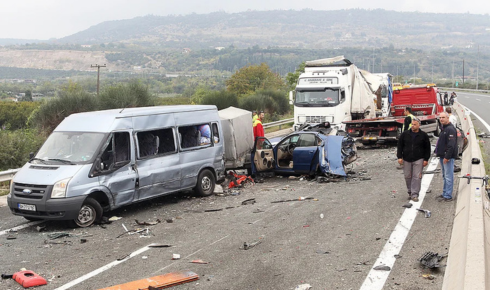
Tag: truck accident lawyer

  • The Most Common Types of Truck Accidents and Why They Happen

    The Most Common Types of Truck Accidents and Why They Happen

    Commercial trucks move a large portion of goods across highways every day. While these vehicles are essential to the supply chain, their massive size and weight can make accidents far more dangerous than typical car crashes. Understanding the most common types of truck accidents can help drivers become more aware of potential risks and the circumstances that often lead to serious roadway incidents.

    Jackknife Accidents

    One of the most well-known types of truck accidents is the jackknife accident. This occurs when the truck’s trailer swings out to form an angle with the cab, resembling the shape of a folding knife.

    Jackknife accidents often happen when:

    • A driver brakes suddenly on slippery roads
    • The trailer loses traction
    • Cargo weight is unevenly distributed

    Once a trailer begins to swing sideways, it can block multiple lanes of traffic and cause multi-vehicle collisions.

    Rollover Accidents

    Truck rollovers are another dangerous type of crash. Due to their height and weight distribution, large trucks can become unstable if they turn too sharply or travel too fast around curves.

    Rollovers are commonly caused by:

    • High speeds while turning
    • Sudden steering corrections
    • Improperly balanced cargo
    • Strong crosswinds affecting tall trailers

    When a truck rolls over, it can block entire roadways and create hazardous conditions for nearby drivers.

    Rear-End Collisions

    Rear-end collisions involving trucks can be particularly severe because trucks require much longer stopping distances than passenger vehicles. If traffic suddenly slows or stops, a truck driver may not have enough time or space to bring the vehicle to a complete stop.

    These accidents frequently occur due to:

    • Distracted driving
    • Driver fatigue
    • Following vehicles too closely
    • Poor visibility or bad weather conditions

    The impact from a large truck striking a smaller vehicle from behind can cause significant damage and serious injuries.

    Blind Spot Accidents

    Commercial trucks have large blind spots on all sides of the vehicle, especially along the right side and directly behind the trailer. If a passenger vehicle remains in these areas for too long, the truck driver may not see it when changing lanes.

    Blind spot accidents often happen during:

    • Highway lane changes
    • Merging traffic
    • Urban driving with heavy congestion

    Drivers can reduce risk by avoiding long periods in these blind spots and ensuring they remain visible in the truck’s mirrors.

    Underride Accidents

    Underride accidents occur when a smaller vehicle slides beneath a truck’s trailer during a collision. These incidents are particularly dangerous because the smaller vehicle can become trapped underneath the trailer.

    They typically occur when:

    • A vehicle rear-ends a truck
    • A truck stops suddenly
    • Visibility is reduced during nighttime or poor weather

    Safety guards are designed to reduce the likelihood of these accidents, but they can still occur under certain conditions.

    The Importance of Investigating Truck Accidents

    Truck accidents often involve complex investigations because many factors can contribute to the crash. These may include driver behavior, vehicle maintenance, cargo loading procedures, and road conditions.

    In some cases, multiple parties may be involved, such as trucking companies, cargo loaders, or vehicle maintenance providers. Understanding these factors can help determine what caused the accident and who may be responsible.

    For individuals trying to better understand their legal options after a serious collision, speaking with a truck accident lawyer can provide guidance on how these cases are typically handled.

    How Drivers Can Reduce the Risk of Truck Accidents

    Although drivers cannot control every situation on the road, there are steps that can reduce the chances of accidents involving large trucks.

    Drivers should try to:

    • Maintain a safe following distance
    • Avoid lingering in truck blind spots
    • Pass trucks quickly and safely when necessary
    • Stay alert during highway driving
    • Be cautious during poor weather conditions

    Being aware of the limitations that large trucks face on the road can help drivers make safer decisions.

    Conclusion

    Truck accidents can occur in several different ways, from jackknife incidents and rollovers to blind spot collisions and rear-end crashes. Each type of accident presents unique risks due to the size and weight of commercial vehicles.

    By understanding how these accidents happen and recognizing the common warning signs, drivers can become more cautious when sharing the road with trucks and reduce the likelihood of serious collisions.

  • Why Wind and Weather Play a Bigger Role in Truck Accidents Than Most Drivers Expect

    Why Wind and Weather Play a Bigger Role in Truck Accidents Than Most Drivers Expect

    When people think about dangerous driving conditions, rain and ice usually come to mind. Wind, however, is often underestimated—especially when it comes to large commercial trucks. On open highways and rural stretches of Texas roadways, wind can become one of the most powerful forces acting on a truck, sometimes with catastrophic results.

    Understanding how weather and wind interact with commercial vehicles helps explain why some truck accidents occur without obvious speeding, distraction, or mechanical failure. This perspective is often explored when victims consult a Truck Accident Lawyer familiar with the physics of commercial trucking.

    Why Trucks Are Especially Vulnerable to Wind

    Commercial trucks are tall, wide, and often lightly weighted when carrying empty or partially loaded trailers. This creates a large surface area that can catch wind like a sail.

    Key factors include:

    • High trailer sidewalls
    • Elevated center of gravity
    • Long trailer length
    • Uneven or shifting cargo
    • Reduced traction during storms

    These characteristics make trucks far more sensitive to lateral wind forces than passenger vehicles.

    How Crosswinds Affect Truck Stability

    Crosswinds—winds that blow perpendicular to the direction of travel—are particularly dangerous. Even moderate gusts can push a truck sideways, especially at highway speeds.

    Crosswinds can cause:

    • Sudden lane drift
    • Trailer sway
    • Loss of steering control
    • Jackknifing
    • Rollovers

    The risk increases dramatically on bridges, overpasses, and open plains where wind has little obstruction.

    Why Empty and Lightly Loaded Trucks Are at Higher Risk

    It may seem counterintuitive, but empty or lightly loaded trucks are often more vulnerable to wind-related accidents than fully loaded ones.

    This happens because:

    • Less weight means less downward force on tires
    • The trailer remains tall but lacks stabilizing mass
    • Wind gusts can lift or tilt the trailer more easily

    As a result, an empty trailer can be pushed sideways with surprising force.

    Sudden Weather Changes on Texas Roads

    Texas highways often span long, open distances where weather conditions can change rapidly. Drivers may encounter:

    • Strong gusts after passing tree lines or buildings
    • Sudden storms on open plains
    • Wind tunnels created by terrain or infrastructure
    • Sharp wind shifts during cold fronts

    These sudden changes leave little time for correction, especially in heavy vehicles.

    Why Wind-Related Truck Accidents Are Often Misunderstood

    From the outside, wind-related crashes can look like simple loss-of-control incidents. Without context, it may appear that the driver overcorrected or drifted without reason.

    What’s often missed:

    • The force of the wind at the moment of impact
    • The trailer’s load condition
    • The road’s exposure to open terrain
    • The timing of gusts rather than steady wind

    Wind does not leave skid marks, making its role harder to document.

    Rollovers: A Common Outcome of Wind-Driven Instability

    One of the most serious consequences of wind-related truck instability is rollover accidents. These often occur when:

    • A strong gust hits during a curve
    • A trailer sways and overcorrects
    • A truck exits a sheltered area into open wind
    • Wind combines with uneven pavement

    Rollovers can involve multiple lanes and create hazards for surrounding vehicles.

    How Wind Conditions Interact With Other Factors

    Wind rarely acts alone. It often combines with other conditions that amplify risk, such as:

    • Wet road surfaces reducing traction
    • Poor visibility during storms
    • Driver fatigue reducing reaction time
    • High traffic density limiting maneuverability

    Together, these factors can turn a manageable situation into a dangerous one.

    Why Weather Context Matters in Truck Accident Analysis

    When someone speaks with a Truck Accident Lawyer, weather and wind conditions may help explain:

    • Why a truck suddenly lost stability
    • Why corrective actions failed
    • Why the crash occurred at a specific location
    • Why other vehicles were affected
    • How environmental factors contributed

    This context is essential for understanding how responsibility and risk intersect.

    Conclusion

    Wind and weather play a far greater role in truck accidents than most drivers realize. The size and structure of commercial trucks make them uniquely vulnerable to forces that passenger vehicles barely notice. Sudden gusts, open terrain, and light trailers can combine to create dangerous situations in seconds.

    Recognizing the impact of wind on truck behavior helps explain why some accidents seem sudden, unavoidable, or disproportionate in severity—and why truck accident cases require a deeper understanding of physics and environment than ordinary traffic collisions.

  • When to Seek Legal Help – Key Scenarios Requiring Expert Advice

    When to Seek Legal Help – Key Scenarios Requiring Expert Advice

    In an increasingly complex world, legal issues can arise unexpectedly, leaving individuals and businesses unsure of how to proceed. Whether it’s navigating the aftermath of an accident or dealing with personal injuries, understanding when to seek legal help is crucial. Consulting with an expert lawyer at the right time can make a significant difference in the outcome of your case. This article explores key scenarios where obtaining legal advice is not only advisable but essential.

    Truck Accident Lawyer: Navigating the Complexities of Commercial Vehicle Collisions

    Truck accidents are often far more complicated than regular car accidents due to the involvement of commercial vehicles, multiple parties, and extensive regulations. If you or a loved one has been involved in a truck accident, seeking the expertise of a truck accident lawyer is imperative.

    Truck accidents can result in severe injuries or even fatalities, and the legal implications are extensive. These cases often involve multiple liable parties, including the truck driver, the trucking company, and possibly even the vehicle manufacturer. A truck accident lawyer has the expertise to navigate the complex web of federal and state regulations that govern the trucking industry. They can help you understand your rights, assess the damages, and pursue compensation from the responsible parties.

    Furthermore, insurance companies representing commercial vehicles are often well-funded and have experienced legal teams dedicated to minimizing payouts. Without a truck accident lawyer advocating on your behalf, you may find yourself at a significant disadvantage. An experienced lawyer can handle negotiations with insurance companies, ensuring that you receive fair compensation for medical bills, lost wages, and other related expenses.

    Personal Injury Attorney: Protecting Your Rights After an Accident

    Personal injury cases can arise from a wide range of incidents, including car accidents, slip and fall accidents, medical malpractice, and workplace injuries. If you’ve suffered an injury due to someone else’s negligence, consulting with a personal injury attorney is essential to protect your rights and secure the compensation you deserve.

    A personal injury attorney specializes in cases where an individual has been harmed physically, emotionally, or financially due to another party’s actions or negligence. These cases often require a deep understanding of the law, as well as the ability to navigate complex legal procedures. An attorney will assess your case, gather evidence, and build a strong legal argument to support your claim.

    One of the key benefits of hiring a personal injury attorney is their ability to handle the legal aspects of your case while you focus on your recovery. They will communicate with insurance companies, negotiate settlements, and, if necessary, represent you in court. This level of professional support is invaluable in ensuring that you are not taken advantage of by insurance companies looking to minimize their liability.

    Additionally, a personal injury attorney can help you accurately calculate the full extent of your damages, including medical expenses, lost income, pain and suffering, and future rehabilitation costs. Without expert legal advice, you may unknowingly accept a settlement that does not fully compensate you for your injuries.

    Key Scenarios Requiring Legal Help

    While truck accidents and personal injuries are two common scenarios where legal help is crucial, there are several other situations where consulting with a lawyer is advisable:

    1. Contract Disputes: Whether you are a business owner or an individual, contract disputes can have significant financial implications. A lawyer can help you understand the terms of a contract, identify any breaches, and represent you in negotiations or court proceedings.
    2. Family Law Issues: Divorce, child custody, and adoption are emotionally charged legal matters that require expert guidance. A family law attorney can help you navigate these complex situations with sensitivity and professionalism.
    3. Criminal Charges: If you are facing criminal charges, it is critical to seek legal representation immediately. A criminal defense attorney can protect your rights, build a strong defense, and work towards a favorable outcome.
    4. Estate Planning and Probate: Estate planning involves making decisions about the distribution of your assets after your death. A lawyer can help you create a will, set up trusts, and navigate the probate process to ensure your wishes are honored.
    5. Business Formation and Compliance: Starting a business involves navigating a complex web of regulations and legal requirements. A lawyer can assist with business formation, contracts, intellectual property protection, and ongoing compliance issues.

    Conclusion

    Legal issues can arise in various aspects of life, and knowing when to seek expert advice is crucial. Whether you’ve been involved in a truck accident, suffered a personal injury, or are dealing with any of the scenarios mentioned above, consulting with a specialized attorney can protect your rights and ensure that you receive the best possible outcome. Legal matters are often complex and time-sensitive, so don’t hesitate to reach out to a qualified lawyer when you need help.