


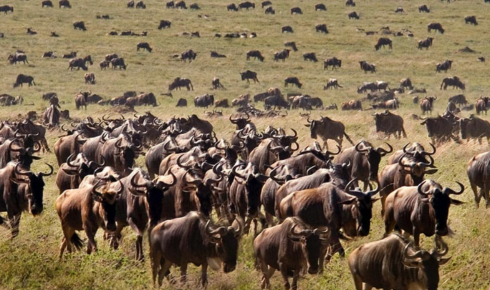
Taking on the journey to witness the Great Wildebeest Migration is a bucket-list dream for many, but the logistics of the event often catches some visitors off guard. As the demand for a curated luxury safari experience in the Serengeti National Park continues to rise, understanding the ins and outs of this natural phenomenon is the difference between a crowded, poorly timed trip and a profound wilderness adventure.
To make sure your investment in such a trip meets your expectations, it is crucial to look beyond the highlight reels and understand the logistical realities of the East African ecosystem before you book.
The Myth of the Singular Event
The first thing you need to understand is that the migration is not a one-time event, but a circular, ongoing movement. Although the dramatic leaps into the Mara River are an attraction, these crossings are the most localized and unpredictable part of the migration and account for only a small part of the cycle.
To plan well, you need to decide which part of the migration you are most interested in seeing. Is it the predator-heavy calving season on the short-grass plains of the southern Serengeti around late January to March, or is it the high-stakes crossings of the northern corridor in July-September speak.
Navigating Regional Differences and Borders
Choosing between Kenya and Tanzania is more than just a preference for a flag; it dictates what your Great Migration safari will look like. The Serengeti in Tanzania is significantly larger, offering a sense of scale and isolation that is harder to find in the more compact Maasai Mara in Kenya.
However, the Mara’s smaller size often results in higher densities of both wildlife and vehicles.In 2026, cross-border logistics are still a challenge. Moving between the two countries usually requires flying back through major hubs like Nairobi or Arusha (though some operators now offer direct air transfers between Mara and Serengeti airstrips) or navigating land borders that can eat up valuable safari time. Deciding where to anchor your trip depends on how much time you have and how many travel logistics you’re willing to deal with.
Preparation and Field Logistics
Having a successful trip requires more than just a keen eye for wildlife; it requires thorough preparation. The remote nature of the Serengeti and the Maasai Mara means that once you are in the bush, you will have to rely entirely on what you have brought with you. Air networks connecting the various airstrips have become more efficient, but the limitations on light aircraft remain the same. To ensure a seamless journey, keep the following in mind:
- Strict Luggage Constraints: Most internal bush flights enforce a strict 15kg (33lb) limit per person, which must be packed in soft-sided bags without wheels to fit into the small luggage pods.
- Layered Clothing Strategy: Temperatures in the Serengeti can fluctuate from 10°C during pre-dawn game drives to over 30°C by midday. Pack neutral-toned (khaki, green, or beige), breathable layers and avoid bright colors.
- Dust and Tech Protection: The Serengeti is notoriously dusty. Bring “dry bags” for your camera gear and high-quality lens cleaning kits. Most luxury camps offer charging stations, but a power bank remains an essential backup.
- Health and Entry Paperwork: Ensure you have your Yellow Fever vaccination certificate (required if transiting through certain countries) and that your E-visas for Tanzania or Kenya are printed and ready.
- Footwear: While much of your time is spent in a vehicle, sturdy, closed-toe walking shoes are essential for guided bush walks or navigating camp terrain at night.
The Crucial Role of Seasonal Rainfall
The migration is largely driven by seasonal rains, though grass availability and ecosystem dynamics also play a role, meaning that even the most expert guides are working with educated guesses. In recent years, shifting weather patterns have caused the herds to move earlier or later than historical averages.
The best advice when booking your safari is to select a camp that is flexible or located in a bottleneck area where the herds will tend to gather. It is worth selecting a mobile tented camp if possible, because they move seasonally to follow the herds. Whereas permanent lodges may mean a two-hour drive before you even reach the edge of the migration.
Conclusion
The key to a successful migration safari is to have realistic expectations and to do a significant amount of research.The herds are unpredictable and choosing to stay in a nearby mobile camp will allow you to position yourself for an authentic encounter with one of nature’s most raw displays of survival.
While the logistics of East Africa can be daunting, the reward of seeing two million animals move as a single, pulsing entity across the savannah is an experience that makes all of your hours of preparation so worth it.