


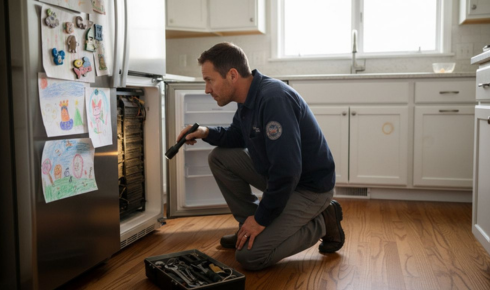
There’s a strange kind of silence when a home appliance suddenly stops working. The washing machine refuses to spin, the refrigerator hums a little too loudly, or the oven just… won’t heat. It’s the sort of small disruption that quietly throws off an entire day. And while many people initially try a quick DIY fix (thanks, YouTube), the truth is that modern appliances are far more complex than they used to be.
Today’s appliances are smart, efficient, and packed with technology. That’s great when everything works perfectly—but when something goes wrong, it often requires trained hands and proper diagnostic tools to sort things out.
Professional appliance repair services have become a crucial part of maintaining a functional home. And honestly, once you’ve experienced a skilled technician bringing a stubborn machine back to life, you start to realize just how valuable that expertise really is.
The Hidden Complexity of Modern Appliances
Appliances used to be fairly simple machines. A few motors, belts, and switches—that was about it. Now? Not so much.
Modern refrigerators contain sensors that monitor temperature fluctuations. Washing machines adjust water levels automatically. Dishwashers optimize energy usage depending on load size. It’s impressive engineering, no doubt. But this complexity means that when something breaks, the issue might not be obvious.
A strange noise might actually be a failing motor bearing. A refrigerator that won’t cool properly might have a faulty thermistor. These aren’t problems that most homeowners can easily diagnose.
That’s where professionals come in. Experienced technicians understand how these systems interact and how to troubleshoot them efficiently. They follow strict industry standards, ensuring that every repair is performed safely and correctly.
And that matters more than people think. A poorly repaired appliance isn’t just inconvenient—it can actually be dangerous, especially when electricity, gas, or water systems are involved.
Why Experience Makes a Real Difference
One of the most underrated aspects of appliance repair is experience. Skilled technicians don’t just follow manuals; they develop instincts after working on hundreds—sometimes thousands—of machines.
For example, a technician might hear a particular rattling sound and immediately recognize a loose drum support in a washing machine. Another might spot a pattern in refrigerator compressor failures that others would miss.
That kind of knowledge only comes with time.
Good repair professionals also stay updated with training programs because appliance technology keeps evolving. Many manufacturers release new models every year, each with slightly different systems and diagnostic procedures.
It’s a bit like car mechanics keeping up with modern vehicles. The tools change. The software changes. But the goal remains the same: get the machine running smoothly again.
Servicing Different Brands Requires Specialized Knowledge
Another challenge homeowners rarely think about is brand variation.
Each manufacturer designs appliances differently. The wiring layout in one refrigerator brand may be completely different from another. Control boards, sensors, and even basic components can vary significantly.
This is why professional repair companies often train technicians to handle a wide range of appliance brands serviced across kitchens and laundry rooms.
Whether it’s a premium European dishwasher, a popular American refrigerator, or a budget-friendly washing machine model, understanding brand-specific systems helps technicians work faster and more accurately.
And let’s be honest—most households don’t stick to one brand. You might have a Samsung refrigerator, a Whirlpool washer, and a Bosch dishwasher all in the same home. Repair technicians have to be comfortable working across that entire landscape.
It’s not a small skill set.
Preventive Maintenance: The Repair You Never Need
Here’s something that might sound counterintuitive: the best appliance repair is the one you never need.
Regular maintenance can dramatically extend the life of home appliances. Cleaning condenser coils, checking water filters, inspecting hoses, and running periodic diagnostics can prevent many common failures.
Take refrigerators, for instance. Dust buildup on condenser coils can force the compressor to work harder, eventually causing it to fail. A simple cleaning once or twice a year can prevent a very expensive repair.
Washing machines benefit from similar care. Inspecting hoses and removing detergent residue can prevent leaks and mold buildup.
Many repair companies actually encourage preventive maintenance visits because they know that small fixes today can prevent major breakdowns tomorrow.
It’s a practical philosophy—and one that saves homeowners money in the long run.
Choosing the Right Appliance Repair Service
Not all repair services are created equal. Some companies prioritize speed over quality, while others focus on careful diagnostics and long-term solutions.
When choosing a repair provider, a few factors are worth considering.
First, certification and training matter. Technicians who are properly trained are more likely to diagnose problems accurately.
Second, transparency is important. Reliable services explain the issue clearly and provide honest estimates before beginning work.
Finally, good customer support goes a long way. A company willing to answer questions and provide guidance after repairs shows confidence in its work.
Many companies also provide helpful FAQs sections on their websites where homeowners can find answers to common appliance problems, maintenance tips, and troubleshooting advice.
It’s a small detail, but it reflects a company that genuinely wants to educate its customers—not just bill them.
The Human Side of Appliance Repair
At the end of the day, appliance repair isn’t just about machines. It’s about people.
Technicians walk into homes every day where families rely on those machines for daily routines. A broken refrigerator might mean spoiled groceries. A faulty washing machine could turn laundry day into a logistical nightmare.
Fixing those problems quickly restores a sense of normalcy.
And there’s something satisfying about watching a technician troubleshoot a stubborn appliance, run a few tests, tighten a component or replace a part—and suddenly everything works again.
That moment feels oddly triumphant.
In a world filled with disposable products and quick replacements, repair services remind us that many things can still be fixed. With the right expertise, patience, and a bit of mechanical intuition, machines—and routines—can be brought back to life.