


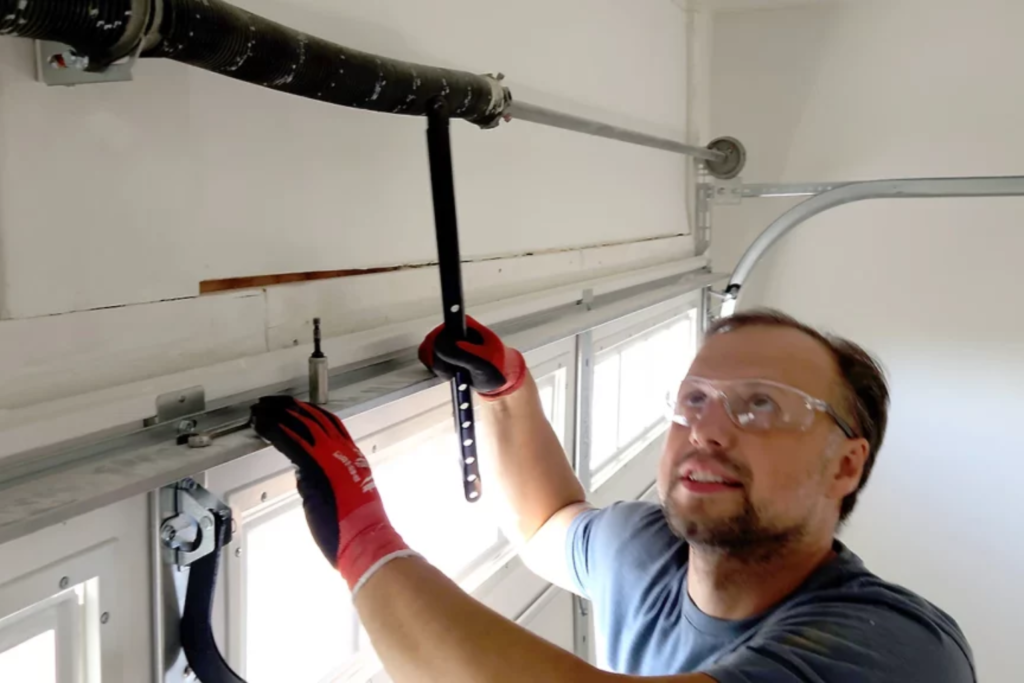
Your garage door is the heaviest moving object in your home, relying on a complex system of high-tension springs, metal tracks, and sensitive electronics to function. Most of the time, it operates quietly in the background, a seamless part of your daily routine. However, extreme weather shifts can quickly expose hidden vulnerabilities in this system. When the temperature drops drastically or summer heat spikes, components expand, contract, and experience friction that can lead to sudden failure. Understanding how these environmental changes affect your garage door system is the first step in preventing an inconvenient, and potentially dangerous, breakdown.
The Physics of Climate and Garage Door Mechanics
Garage doors are primarily constructed from steel, aluminum, wood, or composite materials, all of which react differently to temperature fluctuations. Metal components, particularly the heavy-duty springs and tracks, are highly susceptible to thermal expansion and contraction. In severe cold, metal contracts and becomes more brittle. This puts immense additional stress on torsion springs, which are already under incredible mechanical tension. A spring that is nearing the end of its lifespan is far more likely to snap on a freezing morning than during a mild spring afternoon.
Conversely, extreme heat and humidity present a different set of challenges. Wood doors can absorb moisture from the air, causing them to swell and warp. This alters the weight distribution of the door and forces the automatic opener to work much harder to lift it. Furthermore, high humidity can cause the lubrication on tracks and rollers to degrade or dry out faster, leading to grinding, scraping, and increased wear on the motorized gears.
Beyond the physical structure of the door, modern garage systems rely heavily on sensitive electronics. The safety sensors located at the base of your door tracks use infrared beams to detect obstructions. Intense, direct sunlight at certain angles can actually blind these sensors, tricking the system into believing there is an object in the path of the closing door. This results in a door that repeatedly reverses when you try to close it, leaving your home vulnerable.
Recognizing the Early Warning Signs of System Strain
A garage door rarely fails without warning. Usually, it drops subtle hints that the changing seasons are taking a toll on its components. Ignoring these signs can transform a minor maintenance issue into an expensive emergency repair.
One of the most common early indicators is a change in the sound of the operation. If your once-quiet door begins to emit loud squeaks, grinding noises, or sudden pops, the system is telling you that friction has taken over. This usually points to dried-out rollers, misaligned tracks, or a struggling motor.
Physical movement is another key indicator. A healthy garage door should lift and lower smoothly, maintaining a consistent speed throughout the cycle. If the door hesitates, jerks, or appears to sag on one side, the balance has been compromised. You can test this balance manually by pulling the emergency release cord while the door is closed and lifting it halfway by hand. If the door crashes down or shoots upward, the springs are improperly tensioned and require professional calibration.
Finally, keep an eye on the weather stripping along the bottom and sides of the door. When this rubber or vinyl seal degrades, it allows moisture, dirt, and pests to enter your garage. More importantly, it permits drafts to compromise your home’s energy efficiency, forcing your heating or cooling systems to work harder if you have an attached garage.
Strategic Maintenance and Longevity
Proactive care is the most effective way to ensure your door remains reliable year-round. While some tasks require specialized tools and training, homeowners can perform several basic maintenance steps to safeguard their investment.
Regular lubrication is paramount. Using a dedicated silicone or lithium-based garage door spray on the rollers, hinges, and springs keeps the components moving freely and protects them from moisture-induced rust. Avoid using standard WD-40, as it acts as a cleaner and degreaser rather than a long-term lubricant, and can actually attract dust and debris over time.
Keeping the tracks clean is equally vital. Dust, pet hair, and cobwebs can accumulate in the tracks, mixing with old grease to form a thick sludge that restricts the rollers. Wiping the inside of the tracks with a damp cloth and a mild degreaser can prevent the alignment issues that lead to jammed doors.
While DIY cleaning and lubrication are highly beneficial, the core mechanical elements demand expert attention. Attempting to adjust high-tension torsion springs without the proper equipment can result in severe injury. Investing in a professional Garage Door Tune Up Chicago service ensures that every component, from cable tension to safety reverse mechanisms, is thoroughly inspected, tightened, and calibrated by an experienced technician who understands how local weather patterns impact these systems.
Evaluating the Cost of Neglect vs. Prevention
It is easy to overlook garage door maintenance until the morning you press the button and nothing happens. The financial and logistical consequences of a sudden failure almost always outweigh the cost of routine, preventative care.
A snapped spring or a burnt-out opener motor requires urgent, emergency service, which often comes with premium diagnostic fees. Additionally, a malfunctioning door can trap your vehicle inside the garage, causing you to miss work, school, or important appointments. In worst-case scenarios, a door that falls off its tracks can cause significant property damage to your vehicle or pose a severe safety hazard to your family.
Routine inspections allow technicians to identify minor wear and tear before it escalates into a catastrophic failure. Replacing a worn roller or a frayed cable during a scheduled visit is far more cost-effective than replacing an entire opener system or door panel after a major breakdown. Ultimately, treating your garage door with the same preventative care you show your vehicle or HVAC system extends its operational lifespan, protects your home’s security, and provides invaluable peace of mind through every season.