


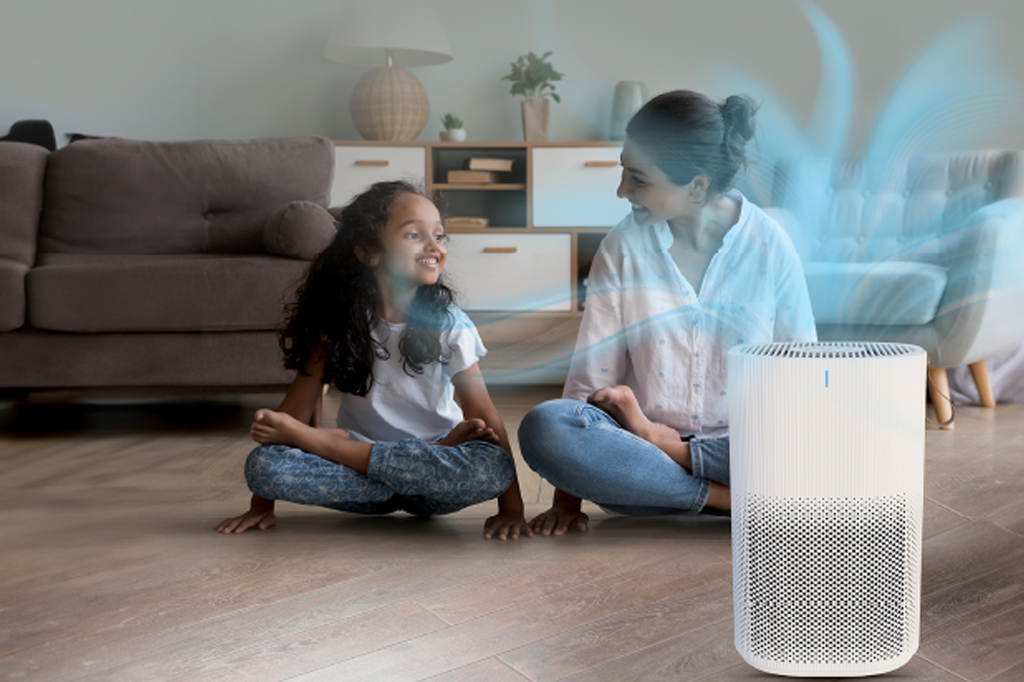
We Spend More Time Indoors Than We Realize
Think about a typical weekday. You wake up at home, drive to work, spend hours inside an office, stop by a grocery store, and then return home for the evening. Even on weekends, many of us spend far more time indoors than outdoors.
It’s easy to assume the air inside our homes is naturally cleaner than the air outside. After all, we’re protected from traffic, dust, and changing weather. Surprisingly, that’s not always the case.
Indoor air can contain dust, pet dander, pollen, cooking particles, mold spores, and other tiny pollutants that slowly accumulate over time. Because we can’t always see them, it’s easy to forget they’re there.
Paying attention to the air you breathe isn’t about worrying over every invisible particle. It’s about creating a healthier, more comfortable living environment for everyone under your roof.
Everyday Habits Affect the Air Around You
Everyday life constantly changes the quality of indoor air.
Cooking releases tiny airborne particles. Vacuuming can stir up dust before it settles again. Pets naturally shed dander, while open windows invite pollen and outdoor pollutants inside. Even furniture, carpets, paint, and cleaning products may release small amounts of airborne compounds over time.
None of these things automatically create unhealthy conditions, but together they can influence how fresh your home feels.
Sometimes people notice persistent odors, frequent dust buildup, or allergy symptoms that seem worse indoors than outside. Those little clues often point toward indoor air quality rather than seasonal weather alone.
Why Clean Air Matters Every Day
Fresh air isn’t only something you appreciate during a morning walk.
Inside your home, cleaner air supports more comfortable breathing, reduces the amount of airborne dust settling on furniture, and creates a living space that simply feels fresher. Families with young children, older adults, allergy sufferers, or pets often become especially aware of these differences.
Many homeowners discover that improving air purification isn’t just about removing odors. It’s about capturing tiny airborne particles before they continue circulating through the house.
Modern systems are designed to work quietly in the background, filtering contaminants while allowing homeowners to focus on everyday life instead of constantly thinking about air quality.
Your HVAC System Plays a Bigger Role Than You Think
Most people think of their heating and cooling system as something that controls temperature.
In reality, it’s also responsible for moving air throughout the house.
If filters are dirty or outdated, the HVAC system may continue circulating dust, allergens, and airborne particles from room to room. Regular filter replacement is one of the simplest ways to improve indoor comfort, yet it’s surprisingly easy to forget.
Professional maintenance also helps ensure that airflow remains balanced and equipment operates efficiently. Clean ductwork, properly functioning fans, and quality filtration all contribute to a healthier indoor environment.
Sometimes the smallest maintenance tasks produce the biggest improvements.
Better Air Starts With Understanding Your Home
Every home is different.
A family with multiple pets faces different challenges than someone living alone. Homes in humid climates may struggle with excess moisture, while others deal with seasonal pollen or wildfire smoke. Older houses sometimes allow more outdoor particles to enter through small gaps around windows and doors.
That’s why improving indoor air quality isn’t usually about buying the most expensive product available. It’s about identifying your home’s unique needs and selecting solutions that actually address those specific concerns.
Professional assessments can help homeowners understand what’s affecting their indoor environment rather than relying on guesswork.
Small Changes Can Make a Big Difference
Improving indoor air doesn’t always require major renovations.
Replacing HVAC filters on schedule, controlling indoor humidity, vacuuming with high-quality filtration, keeping vents unobstructed, and reducing clutter that collects dust are all practical steps that contribute to a fresher home.
Adding houseplants may improve the atmosphere visually, though they shouldn’t replace proper filtration. Likewise, opening windows on pleasant days can help introduce fresh outdoor air when local conditions allow.
The goal isn’t perfection. It’s steady improvement through simple, consistent habits.
Air Quality Affects More Than Allergies
When people hear about indoor air quality, they often think only about seasonal allergies.
While allergens are certainly important, cleaner air can influence everyday comfort in other ways too.
Homes with less airborne dust generally stay cleaner between routine cleaning sessions. Lingering odors become less noticeable, and rooms often feel fresher overall. Better air circulation may also reduce stale indoor conditions that sometimes develop during extreme weather when windows remain closed for long periods.
Comfort is difficult to measure, but most people recognize it immediately when they experience it.
Modern Solutions Fit Different Homes
Technology has made indoor air improvement much more flexible than it once was.
Whole-home filtration systems work alongside existing HVAC equipment, while portable air cleaners provide targeted support for bedrooms, offices, or living spaces. UV technology, enhanced filters, and humidity management can also play valuable roles depending on household needs.
Rather than relying on a single product, many homeowners achieve the best results by combining several simple strategies that complement one another.
A thoughtful approach almost always outperforms chasing the latest trend.
Creating a Home That Feels Fresh Every Day
The real goal isn’t simply removing particles from the air.
It’s creating cleaner indoor air that supports everyday living. Whether you’re relaxing with family, working from home, preparing meals, or getting a good night’s sleep, the quality of the air around you influences your overall comfort in subtle but meaningful ways.
Most people don’t notice excellent air quality because everything simply feels normal. It’s only when dust accumulates quickly, odors linger, or allergy symptoms become persistent that indoor air starts demanding attention.
Investing in cleaner air is really an investment in your home’s atmosphere.
A Healthier Home Begins With the Air You Breathe
Our homes are meant to be places where we relax, recharge, and spend meaningful time with the people we care about most. Paying attention to indoor air quality helps support that goal without requiring dramatic lifestyle changes.
Whether you begin with better HVAC maintenance, upgraded filtration, humidity control, or a dedicated air purification system, every improvement contributes to a fresher and more comfortable environment.
The best part is that many of these changes quietly work in the background. You won’t spend every day thinking about cleaner air—but you’ll likely notice the difference in how your home feels.
Sometimes the most valuable home improvements aren’t the ones you can see. They’re the ones you breathe every single day, creating a healthier, more welcoming space for everyone who walks through your front door.