

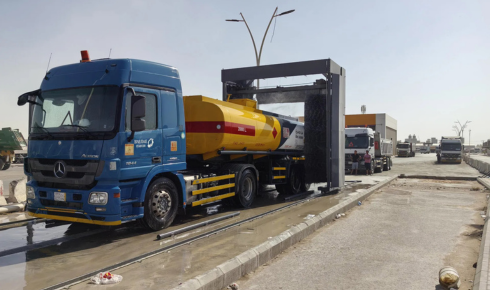

Keeping commercial trucks clean has never been just about appearances. Over the years, truck washing has evolved from a manual maintenance task into a strategic operational process that affects vehicle longevity, regulatory compliance, brand perception, and overall fleet efficiency. As fleet sizes grow and environmental standards tighten, the role of modern truck wash equipment has become more important than ever.
Why Truck Washing Matters Beyond Aesthetics
Trucks operate in some of the harshest conditions on the road. Daily exposure to dirt, road salt, grease, fuel residue, and industrial grime doesn’t just make vehicles look worn—it accelerates corrosion and mechanical wear. Over time, buildup around undercarriage components, wheel wells, and trailers can lead to expensive repairs and reduced vehicle lifespan.
Clean trucks also play a direct role in compliance. In many regions, fleets must meet cleanliness standards for safety inspections, food transport regulations, and environmental controls. A poorly maintained exterior or contaminated trailer interior can result in failed inspections, fines, or delayed deliveries.
Beyond regulations, fleet cleanliness influences public trust. A well-maintained truck signals professionalism, reliability, and attention to detail—qualities customers notice whether they’re receiving a delivery or sharing the road.
From Manual Washing to Automated Systems
Historically, truck washing was a labor-intensive process. Crews relied on pressure washers, brushes, and detergents applied by hand. While effective for small operations, manual washing struggles to keep pace with modern fleet demands. It often requires more labor, consumes excessive water, and produces inconsistent results from one vehicle to the next.
Modern truck wash equipment addresses these challenges through automation and precision engineering. Drive-through and gantry-style systems allow fleets to clean vehicles quickly and consistently, regardless of size or configuration. Automated brushes, high-pressure spray arcs, and programmable wash cycles ensure thorough cleaning while reducing human error.
Automation also helps fleets manage time more efficiently. Faster wash cycles mean trucks spend less time off the road, improving utilization rates and reducing bottlenecks at depots and terminals.
Key Components of Modern Truck Wash Equipment
Today’s truck wash systems are designed with flexibility and durability in mind. Some of the most common features include:
- High-pressure wash arches that target stubborn grime on large surface areas
- Adjustable brushes or touchless systems that adapt to different vehicle shapes
- Undercarriage wash modules to remove corrosive salt and debris
- Water reclamation systems that filter and reuse water to reduce consumption
- Precision chemical dosing to balance cleaning power with surface protection
These components work together to deliver consistent results while minimizing waste and operating costs.
Environmental Considerations and Water Management
One of the biggest shifts in truck washing over the past decade has been the focus on sustainability. Traditional washing methods can consume thousands of gallons of fresh water per day, creating both environmental and financial strain.
Modern truck wash equipment often incorporates water treatment and reclamation technology. These systems capture runoff, filter out contaminants, and reuse water for subsequent wash cycles. Not only does this significantly reduce water usage, but it also helps fleets comply with environmental regulations related to wastewater discharge.
Chemical efficiency has improved as well. Today’s detergents are formulated to break down heavy grime quickly while being safer for vehicle finishes and the surrounding environment.
Customization for Different Fleet Needs
No two fleets are exactly alike. A long-haul trucking company has different needs than a city transit authority or a refrigerated trailer operator. Modern wash systems are increasingly modular, allowing operators to configure equipment based on vehicle height, length, traffic volume, and operational goals.
For example, fleets that prioritize speed may focus on high-throughput drive-through systems, while facilities handling diverse vehicle types may rely on programmable gantry setups. Trailer washout systems are often added for fleets that transport food or temperature-sensitive goods, where sanitation standards are especially strict.
This level of customization ensures that washing processes align with real-world operational demands rather than forcing fleets into one-size-fits-all solutions.
The Role of Technology in Fleet Maintenance Strategy
Truck washing is now closely tied to broader fleet maintenance strategies. Data-driven wash cycles, scheduled cleaning intervals, and integration with facility workflows help fleets plan maintenance more effectively. Clean vehicles make it easier to spot leaks, structural damage, or wear that might otherwise go unnoticed under layers of grime.
As fleets continue to adopt smarter maintenance practices, truck wash equipment becomes a supporting pillar—helping extend asset life, reduce downtime, and maintain consistent standards across large vehicle groups.
Looking Ahead: Smarter, Cleaner, More Efficient
The future of truck washing points toward even greater efficiency and automation. Advances in sensor technology, adaptive wash programming, and water conservation will continue to shape how fleets manage cleanliness. What was once viewed as a routine chore is now recognized as an essential part of operational excellence.
For fleet managers and wash facility operators looking to understand modern solutions, exploring the latest developments in Truck Wash Equipment provides valuable insight into how today’s systems are designed to meet the demands of heavy-duty vehicle operations without sacrificing efficiency or sustainability.