

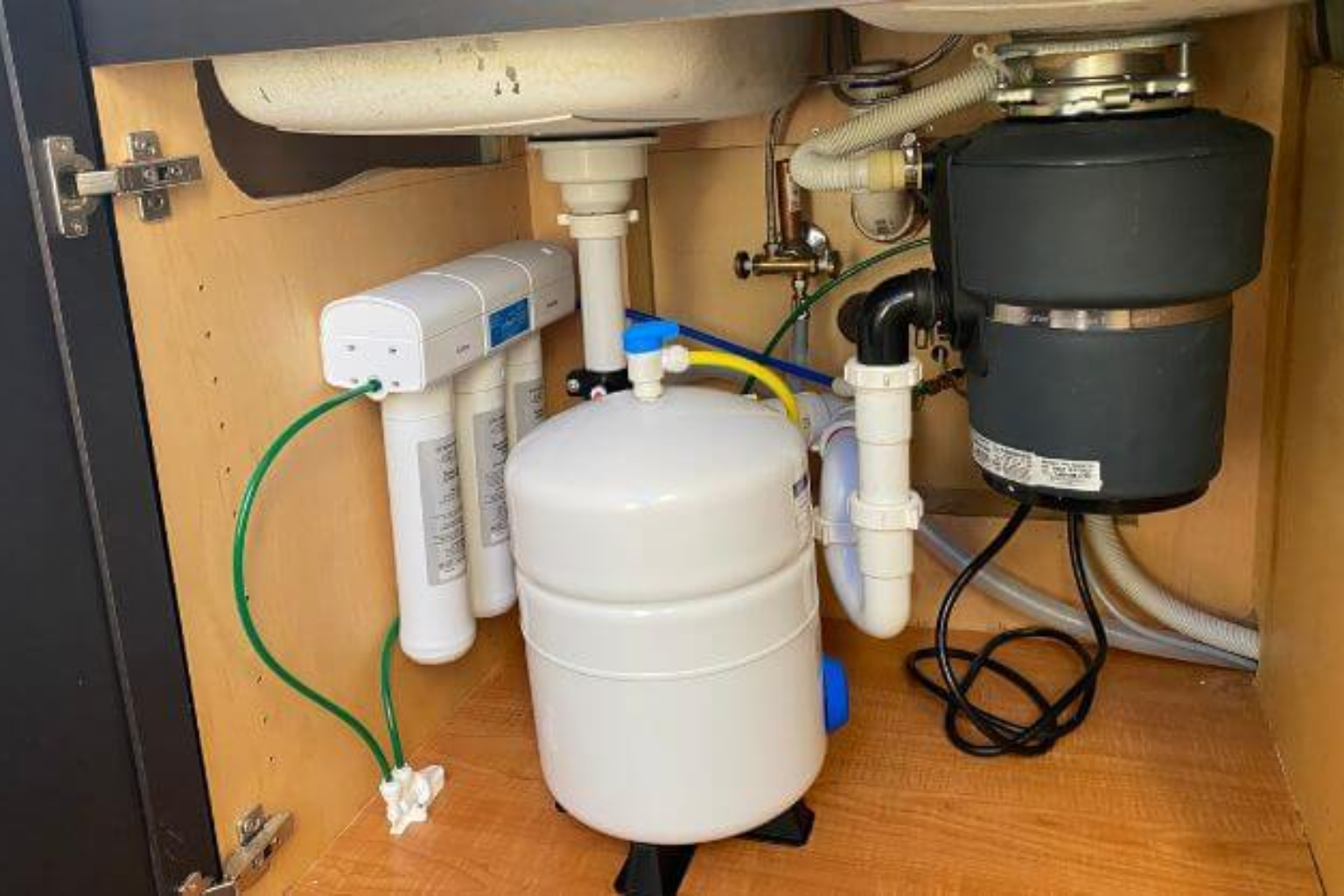

The Moment You Start Questioning Your Water
It’s funny how something as ordinary as water rarely gets our attention — until it does. Maybe it’s the slightly chemical smell when filling a glass late at night, or a faint metallic taste in your morning coffee. Sometimes it’s the stubborn white residue on faucets that finally makes you pause and think.
Most people assume tap water is perfectly fine. And in many cases, it is safe according to municipal standards. But “safe” doesn’t always mean ideal. Water can still carry trace contaminants that affect taste, long-term health concerns, and even the performance of appliances.
That realization is why more homeowners today are paying closer attention to what’s really flowing through their pipes.
Understanding Why Water Contains Contaminants
Water travels a long journey before reaching your tap. It moves through soil, rock layers, treatment facilities, and aging infrastructure. Along the way, it can pick up minerals, chemicals, and microscopic particles.
Municipal treatment processes remove harmful bacteria and large impurities, but some substances remain. These include chlorine used for disinfection, naturally occurring minerals, and sometimes trace metals introduced through old plumbing systems.
While many of these elements are present in safe levels, they can still influence water quality in noticeable ways.
That’s why advanced filtration solutions have become increasingly popular for households seeking better control over what they consume.
Why Chlorine Affects More Than Taste
Chlorine plays a vital role in keeping municipal water safe by eliminating bacteria and preventing microbial growth during distribution.
However, it often leaves behind a distinct smell and taste that many people find unpleasant.
This is where effective chlorine filtration becomes essential.
Activated carbon filters are commonly used to absorb chlorine and its byproducts. By removing these compounds, filtration systems can significantly improve the flavor and odor of drinking water.
Many homeowners notice immediate benefits — cleaner taste, fresher-smelling water, and improved quality for beverages like coffee and tea.
It’s a simple change that can make everyday hydration far more enjoyable.
The Hidden Concern of Heavy Metals
Beyond taste and odor, some water supplies may contain trace amounts of heavy metals. These can enter water through natural geological sources or aging infrastructure such as old pipes and plumbing fixtures.
Among these concerns, lead reduction has become a major focus for modern filtration systems.
Lead exposure, even in small amounts, can pose serious health risks over time. Advanced filtration technologies, such as reverse osmosis and specialized carbon filters, are designed to significantly reduce lead content in drinking water.
For households with older plumbing systems, this type of filtration provides an additional layer of reassurance.
It’s one of those improvements that you may not see — but its importance is undeniable.
Addressing Naturally Occurring Contaminants
Another element that sometimes appears in groundwater supplies is arsenic, a naturally occurring substance found in certain geological regions.
Although present in trace amounts, it can still raise concerns in areas where levels exceed recommended limits.
This is why arsenic removal has become an important feature in many advanced water treatment systems.
Technologies such as reverse osmosis and specialized filtration media can effectively reduce arsenic concentrations, improving both safety and overall water quality.
For homeowners in affected regions, this capability can provide significant peace of mind.
How Modern Filtration Systems Work
Today’s water filtration systems often use multi-stage treatment processes to address a wide range of contaminants.
The first stage typically removes sediments such as sand and rust particles. Activated carbon filters then target chlorine and organic compounds that affect taste and odor.
Finally, advanced membranes or specialized media handle dissolved substances like heavy metals and chemical contaminants.
This layered approach ensures comprehensive treatment, resulting in water that is not only safe but also pleasant to drink and use.
The Everyday Benefits of Cleaner Water
Improving water quality offers benefits that extend beyond drinking.
Appliances like coffee makers, kettles, and dishwashers perform better when free from mineral and chemical buildup. Cooking results often improve as clean water allows natural flavors to shine.
Many people also find that filtered water encourages better hydration simply because it tastes more appealing.
These small changes can make a noticeable difference in daily routines.
Choosing the Right Filtration System
Selecting an appropriate filtration system depends largely on local water conditions.
Testing water quality is usually the first step. This helps identify specific concerns such as chlorine levels, heavy metal presence, or mineral content.
From there, homeowners can evaluate system capacity, installation requirements, and maintenance needs.
Professional consultation can also help ensure optimal performance and long-term reliability.
Maintenance: Keeping Systems Effective
Even advanced filtration systems require regular upkeep.
Filters must be replaced periodically, and system performance should be monitored to ensure continued effectiveness.
Neglecting maintenance can reduce filtration efficiency and allow contaminants to return over time.
Fortunately, many modern systems include indicators that simplify maintenance scheduling.
Proper care ensures consistent water quality year after year.
Looking Ahead: The Future of Water Filtration
Water treatment technology continues to evolve rapidly.
New filtration materials are becoming more efficient and environmentally friendly. Smart monitoring systems allow homeowners to track performance and receive maintenance alerts through mobile apps.
There’s also growing emphasis on sustainable filtration methods that reduce water waste and energy consumption.
These advancements promise to make high-quality drinking water more accessible than ever.
A Simple Change That Builds Everyday Confidence
Water is one of life’s most essential resources, yet its quality often goes unnoticed until problems arise.
From improving taste to addressing potential contaminants, modern filtration systems offer practical solutions that enhance both safety and comfort.