

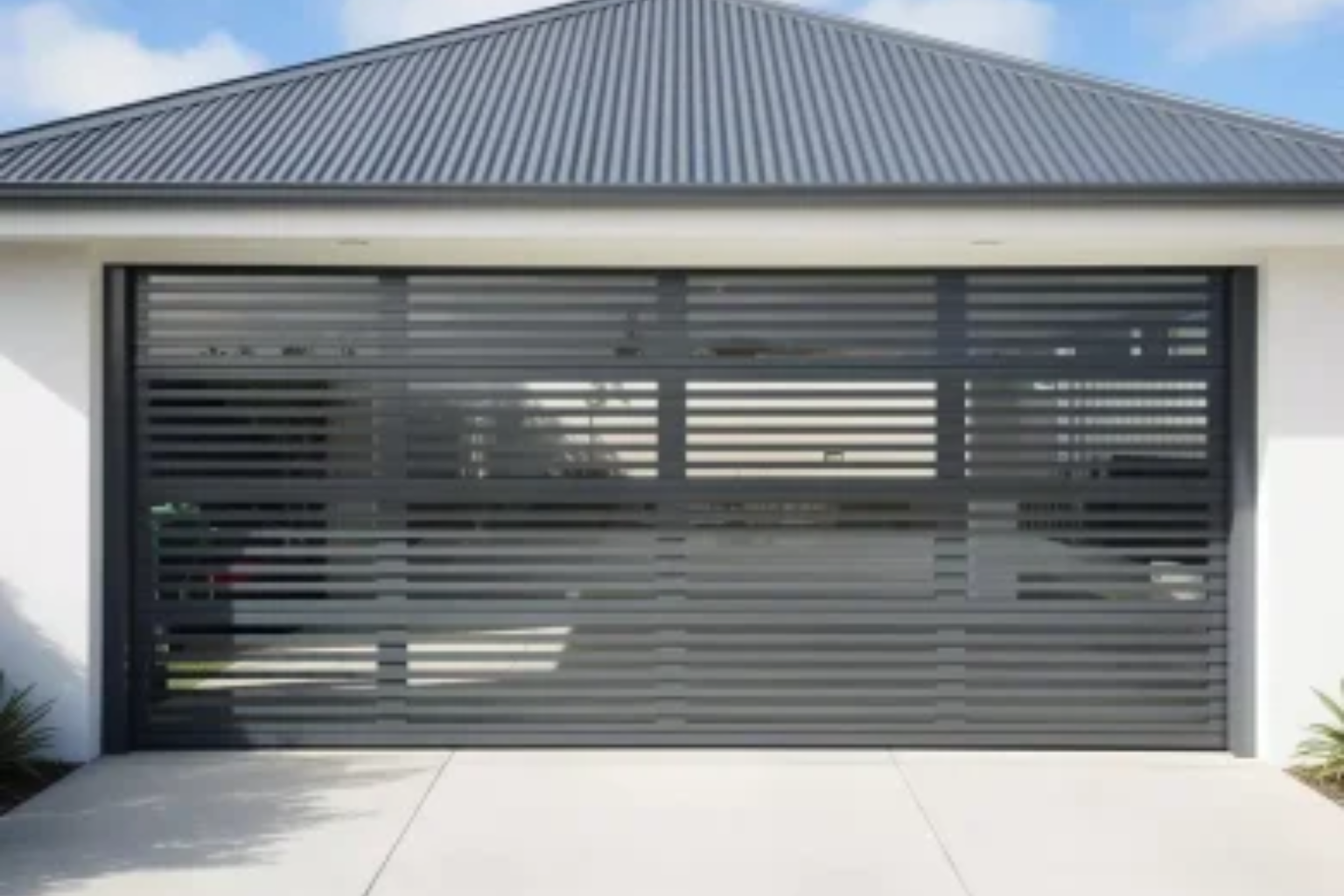

A garage door is often the largest moving object in a residential property. For many homeowners, it serves as the primary entryway to the home, operating multiple times a day without a second thought. Because these systems function so reliably in the background, it is easy to overlook the complex mechanical engineering that allows a door weighing hundreds of pounds to lift effortlessly at the press of a button. Understanding the mechanics, identifying early signs of wear, and recognizing when a system requires professional intervention can save thousands of dollars in premature replacement costs and, more importantly, ensure household safety.
The Balancing Act of Counterbalance Systems
The core principle behind garage door operation is counterbalance. An electric opener does not actually do the heavy lifting; its primary job is to guide and regulate the movement of the door. The real work is performed by the spring system, which counterbalances the weight of the door so that it can be lifted with minimal force, often less than ten pounds of manual pressure.
There are two primary types of spring systems utilized in modern garage architecture: torsion springs and extension springs. Torsion springs are mounted on a metal shaft directly above the garage door header. When the door closes, cables attached to the bottom corners turn the shaft, winding the springs and storing mechanical energy. When the door opens, the springs unwind, releasing that stored energy to assist in lifting. Because they distribute weight evenly across a central shaft, torsion springs offer a smoother operation and last significantly longer than alternative setups.
Extension springs, conversely, are located above the horizontal tracks on either side of the door. They operate by stretching out when the door closes and compressing as it opens. Because extension springs operate independently on each side, they are prone to uneven wear, which can cause the door to twist or bind in its tracks. Additionally, due to the high amount of tension they hold while extended, they require safety cables running through their center to prevent the spring from becoming a dangerous projectile if it snaps.
The Kinematics of Tracks, Rollers, and Hinges
While the springs provide the lifting power, a network of tracks, rollers, and hinges dictates the path of movement. The alignment of these components is crucial. Even a minor deviation in track alignment can cause the rollers to bind, putting immense strain on both the springs and the electric opener.
Tracks are typically constructed from galvanized steel and must be perfectly plumb vertically and level horizontally. Over time, the vibration from daily operation can loosen the mounting brackets, causing the tracks to shift. When this happens, the rollers experience increased friction, which accelerates wear.
Rollers act as the wheels of the system, gliding within the tracks. They come in various materials, including plastic, steel, and nylon. Plastic rollers are common in budget installations but have a short lifespan and tend to crack under temperature extremes. Steel rollers are highly durable but can be noisy and require regular lubrication. Heavy-duty nylon rollers equipped with sealed ball bearings represent the premium choice, offering whisper-smooth operation and exceptional longevity without requiring constant maintenance.
Connecting the individual panels of the door are the hinges. These components allow the door to flex as it transitions from the vertical track to the horizontal overhead track. High-cycle hinges made of heavy-gauge steel ensure that the panels remain securely fastened together, preventing sagging or misalignment during the transition phase.
Environmental Resilience and Material Selection
Choosing the right material for a garage door involves balancing aesthetic preferences with local climate demands. Wood doors offer timeless architectural appeal and natural insulation properties, but they require rigorous maintenance, including regular painting or staining to prevent warping, rotting, and splitting caused by moisture exposure.
Steel doors are highly popular due to their durability and low maintenance requirements. However, uninsulated single-layer steel doors are poor thermal barriers and can make an attached garage unbearably hot in the summer and freezing in the winter. For optimal energy efficiency, multi-layer sandwich construction doors are preferred. These feature an exterior and interior steel skin with a core of polyurethane or polystyrene insulation. Polyurethane is particularly effective because it is injected as a foam, expanding to fill every cavity within the door panel, which enhances both thermal resistance and structural rigidity.
For coastal environments or areas with high humidity, aluminum and fiberglass doors offer excellent resistance to corrosion and salt air damage. While aluminum is lightweight and modern, it is more susceptible to denting than steel. Understanding these material characteristics allows property owners to select a system tailored to their specific regional climate.
The Silent Language of Mechanical Distress
A garage door system rarely fails without warning. It communicates mechanical distress through changes in sound, speed, and movement. Learning to interpret these signs early can prevent total system failure.
A sudden increase in operational noise is one of the most common indicators of trouble. Squeaking or grinding sounds often point to dry or worn rollers and hinges. A scraping sound usually indicates that a cable is fraying or that the door is rubbing against the track or weather stripping. A loud popping or banging sound during operation is a critical warning sign that a spring is nearing the end of its lifespan or has already broken.
Physical movement also tells a story. If a door rises unevenly, or if one side appears lower than the other, a cable may have slipped off its drum or one of the extension springs may have lost its tension. A door that moves sluggishly or hesitates during the lifting cycle indicates that the motor is working too hard, usually because the counterbalance springs have lost their tension and are no longer supporting the weight properly.
Homeowners can perform a simple balance test to check the health of their system. By pulling the emergency release cord to disconnect the electric opener, the door should be able to be lifted manually with ease. If the door is lifted halfway and released, it should remain stationary. If it falls to the floor or flies upward, the spring tension is incorrect, and the system is out of balance.
Professional Intervention and Safety Protocols
While routine visual inspections and basic lubrication of rollers and hinges can be performed by homeowners, major repairs should always be left to trained professionals. The mechanical forces at play within a garage door system are immense. A fully wound torsion spring stores enough energy to cause severe structural damage or catastrophic personal injury if it releases uncontrollably. Replacing springs, cables, and bottom brackets requires specialized tools and technical expertise to handle the tension safely.
When selecting assistance for maintenance or emergency repairs, relying on a dedicated, localized service provider ensures prompt attention and a deep understanding of regional building standards. For residents seeking reliable assistance, visitinghttp://garagedoorprolongisland.com/ provides access to expert technicians who specialize in precision diagnostics, spring replacements, and structural realignments. Professional technicians possess the diagnostic equipment to measure precise spring wire gauge and length, ensuring that replacement components match the exact weight and configuration of the existing door architecture.
Conclusion
A garage door system is a marvel of everyday engineering, relying on a delicate harmony of counterbalancing forces and precise tracking. By understanding how these components interact and remaining vigilant to changes in noise and movement, homeowners can maintain a safe, efficient, and long-lasting entry system. Recognizing the boundary between simple maintenance and high-tension professional repair is the ultimate key to preserving both the property’s value and the safety of the household.