

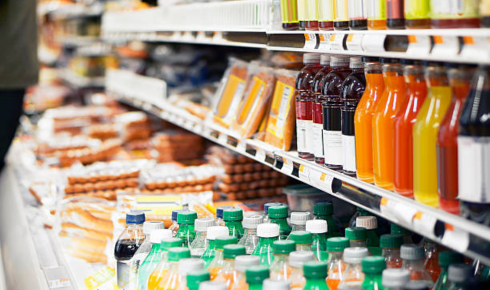

Beverages are among the most widely distributed consumer products in the world. From bottled water and juices to soft drinks, energy drinks, and specialty beverages, millions of containers move through supply chains every day before reaching store shelves and consumers’ homes. Ensuring these products arrive safely, remain fresh, and maintain their quality is the responsibility of well-designed beverage packaging.
Packaging for beverages is far more than a container that holds liquid. It plays a crucial role in protecting product integrity, extending shelf life, improving transportation efficiency, and supporting brand identity. Whether the beverage is packaged in plastic bottles, glass containers, aluminum cans, or cartons, the packaging system must be designed to handle the demands of manufacturing, distribution, and consumer use.
As beverage brands continue to expand globally and consumer expectations evolve, innovative beverage packaging solutions are becoming increasingly important for both product protection and marketing success.
The Role of Packaging in the Beverage Industry
Beverage products must travel through complex supply chains before reaching consumers. From bottling plants to distribution centers and retail stores, beverages are handled, stacked, transported, and stored in a variety of environments. Without proper packaging, products could be damaged, contaminated, or compromised before they ever reach the market.
This is why beverage packaging is engineered to provide both structural strength and product protection. Packaging systems must prevent leaks, protect against contamination, and maintain the freshness of the beverage inside. At the same time, packaging must be lightweight enough to support efficient transportation and easy handling.
In addition to protection, industrial grade packaging also supports product identification and branding. Labels, colors, and container designs help consumers recognize products quickly while communicating important information such as ingredients, nutritional facts, and expiration dates.
For beverage companies, packaging is both a functional necessity and a powerful marketing tool.
Protecting Product Quality and Freshness
One of the most important functions of beverage packaging is preserving product quality. Beverages must maintain their taste, carbonation, and freshness throughout their shelf life. Exposure to air, light, and contaminants can quickly degrade the quality of many beverages.
Packaging materials are selected carefully to protect the product from these external factors. Plastic bottles, aluminum cans, glass containers, and multilayer cartons each offer unique advantages depending on the type of beverage being packaged.
For example, carbonated beverages often rely on packaging that can maintain internal pressure and prevent carbonation from escaping. Bottled water requires packaging that protects the purity of the product while preventing leaks during transportation.
Packaging systems may also include seals, caps, and liners designed to maintain a secure closure and prevent contamination. These features help ensure that consumers receive beverages exactly as intended by the manufacturer.
Packaging Materials Used in the Beverage Industry
The beverage industry relies on several primary packaging materials, each suited to different types of products and distribution methods. Plastic bottles are widely used for water, juices, and soft drinks because they are lightweight, durable, and cost-effective. PET plastic bottles are especially common due to their strength and recyclability.
Aluminum cans are popular for carbonated drinks, energy beverages, and craft beverages. They provide strong protection against light and oxygen while offering excellent recyclability. Their compact shape also makes them efficient for transportation and storage.
Glass bottles are often used for premium beverages, specialty drinks, and certain juices or sodas. Glass provides excellent product protection and does not interact with the beverage inside, preserving flavor and quality.
Carton packaging is commonly used for milk, plant-based beverages, and shelf-stable drinks. These multilayer cartons protect against light and oxygen while offering convenient storage and transport.
Each material plays an important role in modern beverage packaging systems, allowing companies to select the most appropriate solution for their product and distribution needs.
Supporting Efficient Transportation and Distribution
Beverages are typically transported in large quantities, which makes packaging efficiency extremely important. Containers must be able to withstand stacking, vibration, and handling during transportation without leaking or breaking.
Secondary beverage packaging is often used to group individual containers together. This may include shrink wrap, cardboard trays, or corrugated cases that hold multiple bottles or cans in a single unit. These packaging solutions make it easier to move large quantities of beverages through distribution channels.
Efficient packaging design also helps maximize the use of space in trucks and warehouses. By optimizing container shapes and packaging configurations, beverage companies can transport more product per shipment while reducing transportation costs.
These efficiencies help beverage brands remain competitive while maintaining reliable product delivery.
Packaging for Retail Display and Consumer Convenience
Beyond protection and transportation, beverage packaging also plays an important role in retail presentation and consumer convenience. The design of a beverage container often influences purchasing decisions, making packaging an essential part of brand strategy.
Eye-catching bottle shapes, vibrant labels, and distinctive packaging designs help products stand out on store shelves. Consumers often associate packaging design with product quality and brand identity.
Convenience features are also important. Resealable caps, ergonomic bottle shapes, and lightweight containers make beverages easier for consumers to carry, open, and store.
Some packaging designs are also optimized for on-the-go consumption, reflecting modern lifestyle trends where consumers expect beverages to be portable and easy to use.
These features make beverage packaging an important connection between manufacturers and consumers.
Sustainability and Environmental Considerations
Sustainability has become a major focus within the beverage industry. Consumers, regulators, and manufacturers are increasingly concerned about reducing packaging waste and improving recyclability.
Many beverage companies are investing in packaging solutions that use recyclable materials and reduce overall plastic usage. Lightweight packaging designs help reduce material consumption while maintaining strength and durability.
Recyclable PET bottles and aluminum cans are widely used because they can be recovered and reused through recycling systems. Some companies are also exploring biodegradable packaging materials and refillable container systems.
Sustainability initiatives are pushing innovation in beverage packaging, encouraging manufacturers to find solutions that balance environmental responsibility with product protection and cost efficiency.
Innovations in Beverage Packaging Technology
Advancements in packaging technology are helping beverage companies improve both product protection and consumer experience. Smart packaging solutions are emerging that incorporate features such as tamper-evident seals, freshness indicators, and digital tracking technologies.
Improved manufacturing processes are also enabling more efficient packaging designs. Lightweight bottles and cans that maintain strength while using less material are becoming increasingly common.
Digital printing technologies allow beverage brands to create more dynamic and customized packaging designs. This flexibility supports seasonal promotions, limited-edition products, and personalized marketing campaigns.
As technology continues to evolve, beverage packaging will become even more sophisticated in its ability to protect products and engage consumers.
Meeting Safety and Regulatory Requirements
Beverage packaging must also comply with strict safety and regulatory standards. Packaging materials must be approved for food and beverage contact and must not introduce contaminants or chemicals into the product.
Manufacturers must also ensure that packaging provides accurate labeling, including ingredient lists, nutritional information, and expiration dates. Tamper-evident features are often required to protect consumers and ensure product safety.
Compliance with these regulations helps maintain consumer trust while ensuring that beverage products meet industry standards.
The Future of Beverage Packaging
The beverage industry continues to evolve as consumer preferences change and new technologies emerge. Health-focused beverages, functional drinks, and premium bottled products are creating new opportunities for packaging innovation.
Future beverage packaging solutions will likely emphasize sustainability, convenience, and enhanced product protection. Companies will continue exploring new materials, designs, and technologies that improve efficiency while reducing environmental impact.
Automation and smart packaging technologies may also become more common, helping companies track products through supply chains and maintain better inventory control.
As these trends develop, beverage packaging will remain a critical part of delivering safe, high-quality products to consumers around the world.
Why Beverage Packaging Matters
Beverage packaging plays a central role in ensuring that products reach consumers safely, efficiently, and in perfect condition. It protects product quality, supports transportation and storage, enhances brand visibility, and improves consumer convenience.
For beverage manufacturers, investing in effective packaging solutions helps maintain product integrity while supporting sustainable and efficient supply chains. At the same time, well-designed packaging helps brands connect with consumers and stand out in competitive markets.
As the beverage industry continues to grow and innovate, beverage packaging will remain a key factor in delivering quality products while meeting the evolving expectations of consumers and businesses alike.