Independent game studios operate in one of the most software-intensive creative industries, yet they rarely have the budget to match it. Between engine licences, audio tools, art pipelines, and project management software, costs accumulate quickly. For small Canadian studios in particular, the challenge of accessing professional-grade 3D tools without signing away a substantial chunk of monthly revenue to subscription fees has become a defining operational concern.
The Autodesk Subscription Problem
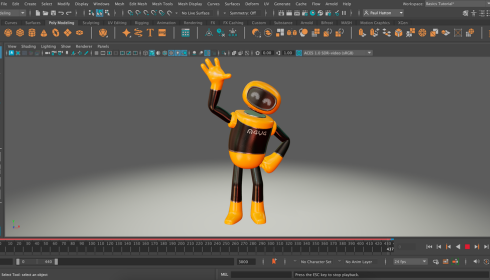
Autodesk’s shift to subscription-only licensing hit indie developers hard. Maya and 3ds Max, two of the most widely used tools in character animation and environment art, now carry annual subscription costs that can reach thousands of dollars per seat. For a four-person studio, those figures multiply fast. Many teams have turned to open-source alternatives or trimmed their pipelines, but the industry reality is that publishers, middleware vendors, and outsource partners often expect deliverables in formats native to Autodesk products.
This creates a genuine dilemma: compromise on tooling and risk compatibility headaches, or pay subscription rates that eat into already thin margins. A growing number of studios are now exploring a third route the secondary software licence market.
Perpetual Licences Through Legitimate Resellers
The secondary licence market for professional software has matured considerably. Resellers operating under EU and comparable secondary market legislation can offer genuine perpetual licences for Autodesk products at a fraction of the original retail price. These are not cracked copies or grey-market workarounds. They are lawfully transferred licences that comply with established resale principles upheld in multiple jurisdictions.
For studios wanting to build a stable, long-term pipeline without variable monthly costs, this model has real appeal. A one-time licence purchase for Maya 2023-2026 means the seat is paid for and usable across project cycles, without concern that a subscription renewal date will disrupt a crunch period. The same logic applies to environment and prop artists who rely heavily on 3ds Max. Picking up 3ds Max licences at reduced cost can free up budget for contract artists, motion capture sessions, or localization work that actually moves a game closer to release.
Building a Sustainable Pipeline
Beyond the immediate savings, there is a workflow stability argument worth considering. Subscription software introduces a dependency on continuous internet access for licence validation, regular forced updates that can break custom scripts or plugins, and the ever-present risk of Autodesk altering terms or discontinuing a product tier. Studios that have invested in custom tooling, Python scripts, proprietary exporters, and specific shader workflows understand the disruption that comes from a forced version upgrade mid-production.
Perpetual licences offer a degree of control. A studio can decide when to upgrade, test new versions in isolation, and maintain a production-stable build as long as the project demands. For smaller teams without a dedicated technical director to manage rolling updates, this predictability has operational value that goes beyond the sticker price.
What to Look for in a Reseller
Not every secondary software vendor operates with the same standards. Studios sourcing licences this way should look for resellers who provide documentation of the licence chain, offer clear terms around support and delivery, and have an established track record. GetRenewedTech provides access to a broad GetRenewedTech’s Autodesk range covering everything from animation tools to engineering and CAD software, with transparent pricing and documented licence provenance.
Final Thoughts
Indie game development in Canada is thriving, but the software cost burden is real. For studios willing to look beyond the standard subscription model, the secondary licence market offers a practical, legal route to professional tooling at prices that respect the realities of independent production. Getting Maya or 3ds Max into the hands of an artist without committing to an open-ended subscription may be the budget decision that keeps the next project viable.