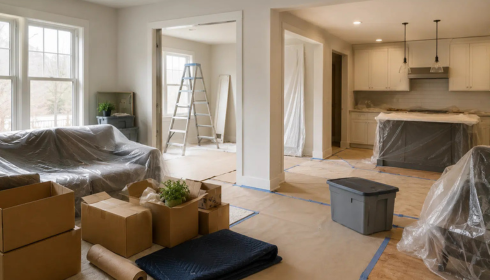
A home renovation often begins with an idea. A homeowner may want a better kitchen, a more comfortable bathroom, a larger living area, or a home that feels more modern and practical. At first, the project may seem simple: choose a style, select materials, hire a contractor, and begin construction.
In reality, a successful remodel needs more than inspiration photos and good intentions. Before any demolition starts, there must be a clear plan. The design, budget, timeline, materials, permits, and construction details all need to work together.
This is where the design-build remodeling process can be helpful. Instead of separating design and construction into disconnected steps, this approach brings planning and building together from the beginning.
Why Remodeling Needs More Than A Good Idea
Many homeowners start by focusing on how they want the finished space to look. They may save photos of kitchens, bathrooms, flooring, lighting, cabinets, or open layouts. These ideas are useful, but they are only the first step.
A remodeling project also needs practical answers.
Can the layout be changed?
Will plumbing or electrical work need to move?
Are permits required?
Does the budget match the design?
How long will the project take?
What happens if hidden problems are found?
Without these answers, a remodel can quickly become stressful. A design may look beautiful but become difficult or expensive to build if construction details are not considered early.
What A Design-Build Remodeler Actually Does
A professional Design-build remodeler helps homeowners connect design ideas, budget planning, construction details, and project coordination before renovation work begins.
This means the remodeler is not only looking at the appearance of the project. They are also thinking about how the project will be built, what materials are needed, which trades may be involved, what permits may apply, and how the timeline should be organized.
The goal is to create a remodeling plan that is both attractive and realistic.
How Design And Construction Work Together
In a traditional remodeling process, a homeowner may work with a designer first and a contractor later. Sometimes, this creates a gap between the design vision and the construction budget.
For example, a homeowner may want to remove a wall to create an open kitchen. That design choice may require structural planning, electrical relocation, flooring adjustments, ceiling repair, and permit review. If those construction details are not considered early, the project may cost more or take longer than expected.
A design-build process helps reduce this problem by reviewing design and construction together. The homeowner can better understand how each choice affects the budget, schedule, and final result.
Why This Approach Can Reduce Confusion
Home remodeling involves many decisions. Flooring, tile, cabinets, lighting, fixtures, paint colors, appliances, layout changes, and storage all need to be planned. When these decisions are made without a clear process, the project can feel overwhelming.
Design-build remodeling can make the process more organized because there is one connected approach. Homeowners can ask questions, review options, and understand how each decision fits into the larger project.
This can also improve communication. Instead of trying to manage separate people for design, estimating, and construction, the homeowner can work through a more coordinated process.
One Checklist Before Starting A Remodel
Before beginning a remodeling project, homeowners should review the most important planning details:
- Define the main goal of the remodel
- Decide which rooms are included
- Review current layout problems
- Set a realistic budget range
- Discuss design ideas early
- Ask about permits and inspections
- Review materials before construction begins
- Confirm who manages communication
- Ask how changes will be handled
- Plan for possible hidden issues in the home
This checklist can help homeowners move from a general idea to a more complete remodeling plan.
When Homeowners Should Consider Design-Build
Design-build remodeling can be useful for many types of projects, especially when the work involves more than simple cosmetic updates.
Homeowners may consider this approach for kitchen remodeling, bathroom remodeling, home additions, whole home renovations, basement conversions, layout changes, or older home updates.
It can also be helpful when the homeowner wants one organized process instead of managing separate design and construction steps.
For small updates like painting a room or replacing a single fixture, a full design-build process may not be necessary. But for larger projects, the connected approach can save time, reduce confusion, and create a clearer path forward.
Why Budget Planning Matters Early
Budget planning should happen before homeowners become too attached to specific materials or layouts. A design-build remodeler can help explain how different choices affect the cost.
Custom cabinetry, structural wall removal, premium tile, new plumbing locations, or high-end fixtures may all increase the budget. On the other hand, smart design adjustments can sometimes help homeowners reach their goals without unnecessary expense.
The earlier these conversations happen, the easier it is to make practical decisions.
Final Thoughts
A successful remodel does not begin with demolition. It begins with planning.
A design-build remodeler helps homeowners understand the full project before construction starts. By connecting design, budget, materials, permits, and construction details early, the process can become more organized and less stressful.
For homeowners planning a major renovation, this approach can provide a clearer path from the first idea to the finished space.
FAQWhat is a design-build remodeler?
A design-build remodeler is a remodeling professional or team that helps coordinate both design and construction planning. This approach connects layout ideas, budgeting, materials, permits, and construction details in one organized process.
Is design-build better than hiring a contractor separately?
Design-build can be better for homeowners who want a more connected process. It helps reduce gaps between design ideas and construction planning, especially for larger or more complex remodeling projects.
When should homeowners use a design-build remodeling process?
Homeowners should consider design-build for kitchen remodels, bathroom renovations, home additions, whole home remodels, layout changes, and projects that require careful planning before construction begins.