

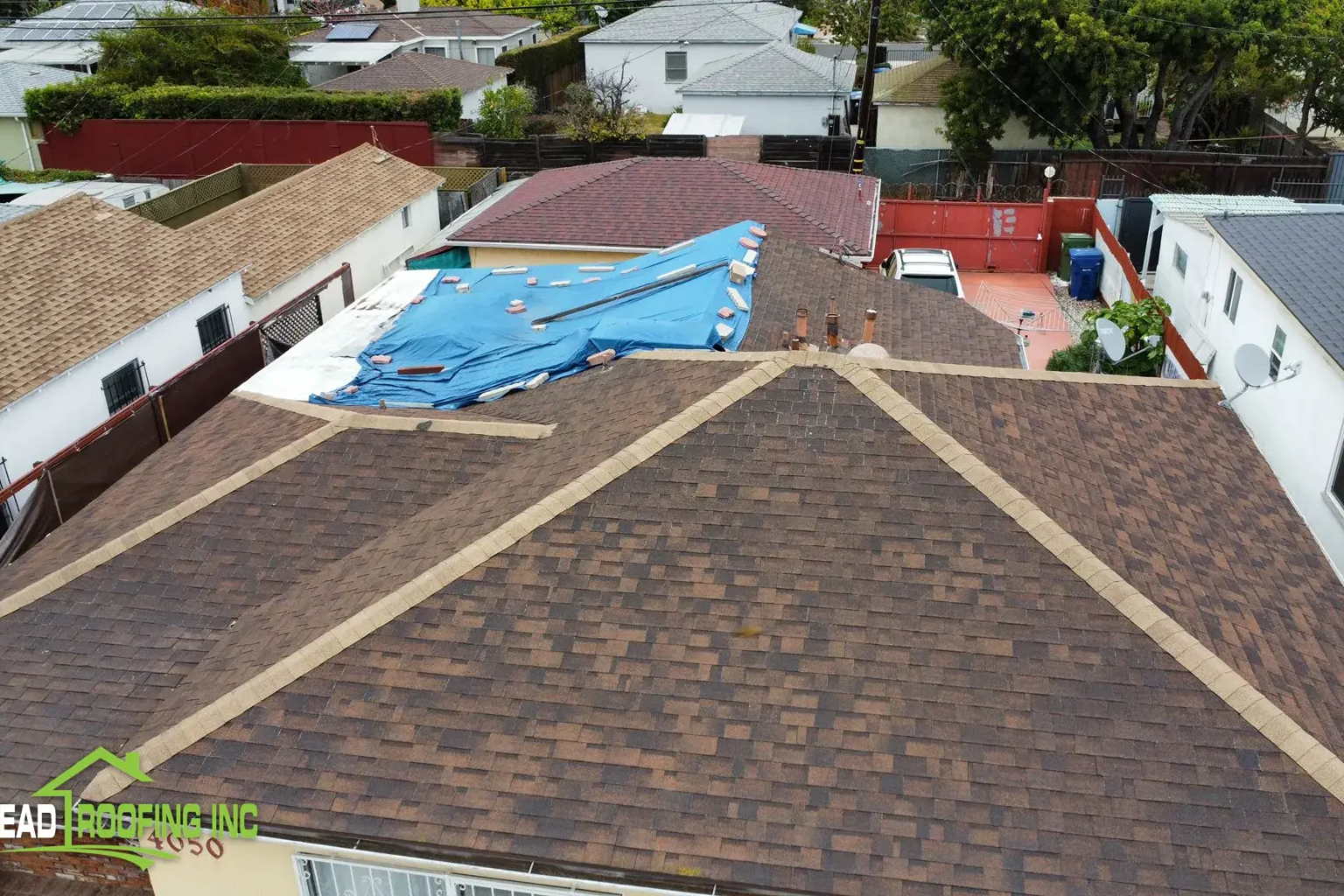

Southern California is famous for its Mediterranean climate, characterized by abundant sunshine, mild winters, and dry summers. To the casual observer, this environment seems ideal for preserving the exterior of a residential property. However, homeowners living tucked against the base of the San Gabriel Mountains understand a different reality. The unique topography of the region creates distinct microclimates that subject residential structures to intense, localized environmental stress.
Unlike coastal areas that benefit from steady marine layers, inland valley communities experience dramatic temperature swings, high wind events, and intense UV exposure. These localized weather patterns alter the lifespan of traditional building materials. Understanding how these specific environmental forces interact with your home’s exterior is essential for maintaining long-term structural integrity and avoiding premature failure.
The Destructive Force of Thermal Shock
One of the most significant yet invisible threats to regional roofing systems is thermal shock. In the inland valleys, a typical summer day can easily see ambient temperatures climb into the mid-to-high 90s. On a roof covered in dark asphalt shingles or concrete tiles, the surface temperature can quickly soar to over 150°C (302°F).
As the afternoon fading sun gives way to cool evening air rolling down from the nearby mountains, the temperature of these roofing materials plummets rapidly. This extreme, rapid fluctuation causes materials to expand and contract violently within a short window of time.
Over the years, this constant movement takes a heavy toll. The physical bonds holding roofing materials together begin to fatigue. In asphalt shingles, thermal shock causes the protective surface granules to loosen and shed, exposing the volatile asphalt underneath to direct sunlight. In concrete and clay tile systems, the constant expansion cracks the underlying mortar beds and shifts the tiles out of alignment, creating tiny gaps where water can penetrate during the winter rainy season.
Navigating the Seasonal Strain of the Santa Anas
While summer heat weakens the structural components of a roof, the autumn brings a different kind of environmental hazard: the Santa Ana winds. These dry, high-velocity winds originate inland, compress as they push through mountain passes, and sweep across valley communities with immense force.
The danger these winds pose to a roof extends far beyond the obvious risk of a fallen tree limb. The primary threat comes from wind uplift. As powerful gusts sweep across the slope of a roof, they create zones of low pressure directly above the surface, effectively suctioning materials upward.
If the sealants holding your shingles or tiles together have already been degraded by summer thermal shock, the Santa Ana winds will easily break what remains of the bond. Once the wind lifts a shingle, it exposes the vulnerable underlayment beneath. Even if the shingle drops back down into place after the wind dies down, the protective seal is permanently broken. When the winter rainstorms inevitably arrive a few months later, water is easily driven underneath the unsealed shingles, bypassing the roof’s primary defense system and causing hidden rot in the wooden decking below.
Managing the Unique Shade and Moisture Dynamic
Living near mountain foothills also introduces a unique vegetation dynamic. Mature oak trees, jacarandas, and pines provide beautiful canopies and welcome shade, but they also create microclimates of localized moisture on a roof.
When overhanging branches drop leaves, pine needles, and organic debris into roof valleys and behind chimneys, they create natural dams. During the brief but intense winter rainstorms, these debris dams trap moisture against the roof surface. Because these areas are often shaded from the sun for most of the day, the trapped moisture takes a long time to evaporate.
This prolonged wetness is a primary catalyst for the growth of moss, algae, and lichen. These organisms are not merely cosmetic issues; they secrete organic acids that actively eat through the limestone filler used in asphalt shingles and degrade the integrity of tile underlayment. Furthermore, roots from moss can physically lift the edges of shingles, making them even more susceptible to wind uplift during the next wind event.
Choosing Resilient Materials for Local Conditions
Given these intense, localized environmental challenges, homeowners cannot rely on generic roofing advice designed for other parts of the country. Protecting a home in this region requires a strategic approach to material selection and installation techniques that specifically address heat, wind, and rapid temperature shifts.
For instance, homeowners opting for asphalt shingles should prioritize materials with high wind resistance ratings and advanced polymer-modified asphalt, which offers superior flexibility to withstand thermal shock without cracking. Reflective “cool roof” technology is also highly beneficial; these specially engineered shingles reflect solar energy away from the home, keeping surface temperatures significantly lower during peak summer afternoons and reducing the severity of thermal expansion.
For those with concrete or clay tile roofs, which are highly favored for their architectural beauty and fire resistance, the focus must be on the quality of the underlying waterproofing membrane. Since tiles are designed to shed water but are not entirely waterproof, the underlayment does the heavy lifting. Utilizing a heavy-duty, synthetic self-adhering underlayment ensures that even if thermal shock shifts a tile or creates a minor crack, the home remains entirely protected from water intrusion.
The Importance of Localized Expertise
Because the environmental stressors vary so significantly from one valley neighborhood to the next, generic assessments often miss localized vulnerabilities. Safeguarding a home requires a proactive maintenance schedule handled by professionals who understand how the local geography affects different architectural styles.
Regular inspections should be scheduled twice a year: once in the late spring to check for heat-related degradation before summer peaks, and once in the late autumn to clear debris and check for wind damage following the Santa Ana season. For residents seeking tailored solutions to these specific geographic challenges, consulting with a specialized team like Overhead Roofing Pasadena can provide the precise, targeted maintenance strategies needed to extend the lifespan of your roof. By treating your roof as a dynamic system that interacts constantly with the local microclimate, you can prevent minor environmental wear from turning into catastrophic structural failures.