Category: home improvement

  • How to Choose Bathroom Blinds Without Sacrificing Light or Privacy

    How to Choose Bathroom Blinds Without Sacrificing Light or Privacy

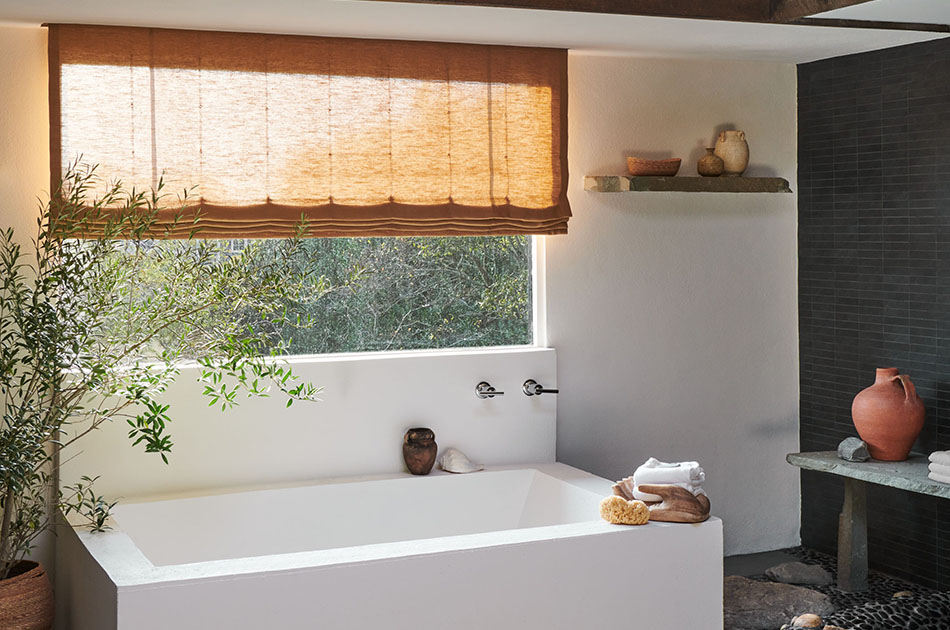
    Bathrooms often need two things that seem to compete with each other: privacy and natural light. Cover too much of the window and a bright room can quickly feel enclosed; leave too much exposed and the space may feel uncomfortable, particularly after dark.

    The answer is not necessarily to choose the most opaque blind available. A better approach is to think about what can actually be seen through the window, when privacy matters most and how much daylight contributes to the way the bathroom feels.

    A well-chosen blind should let the room remain pleasant and usable in daylight while giving enough control when greater privacy is needed.

    Begin with the view through the window

    Privacy is easier to solve when it is treated as a specific sightline problem rather than a general requirement.

    Stand at different points in the bathroom and look towards the window. Then consider the view from outside. A ground-floor window facing a pavement presents a very different challenge from an upstairs window overlooking a private garden.

    The most important areas may also be surprisingly limited. A person standing beside the basin may be visible while someone elsewhere in the room is not. The lower half of a window may require screening while the upper section could remain relatively open.

    Think about:

    1. the height of the window;
    2. neighbouring properties;
    3. roads, paths and gardens outside;
    4. whether people can approach closely;
    5. which parts of the bathroom are visible;
    6. and whether the sightline changes when someone is standing rather than sitting.

    This creates a much more useful privacy brief than simply deciding that the entire window must always be covered.

    Daytime and evening privacy are different problems

    Bathrooms can feel surprisingly private during the day because brighter outdoor conditions make it harder to see into a comparatively darker interior.

    That balance can reverse after sunset.

    Once the bathroom is illuminated from inside, silhouettes and movement may become more visible through glazing or lightly screened windows. A treatment that feels perfectly adequate on a bright afternoon should therefore also be considered under evening conditions.

    This is especially important where a bathroom faces another house or a regularly used outdoor space.

    For homeowners considering blinds castleford, it makes sense to judge the window at the times when the bathroom is actually used rather than basing the decision on a single daytime impression.

    The objective is to understand when privacy needs to increase and whether the blind can provide that change without permanently blocking useful daylight.

    Keep the upper part of the window working for the room

    Natural light from a bathroom window does more than illuminate the space. It can make tiles, paint colours and surfaces feel fresher, reduce dependence on electric lighting during the day and make smaller rooms feel less enclosed.

    That is why covering the whole window simply because privacy is needed at eye level can be unnecessarily restrictive.

    Where the external view allows it, preserving light through the upper portion of the glazing can make a noticeable difference to the room’s atmosphere.

    The exact solution will depend on the blind design and window, but the principle is straightforward: screen what genuinely needs screening rather than automatically treating every square centimetre of glass in the same way.

    This is particularly valuable in compact bathrooms where natural light is limited to a single window.

    Consider how adjustable the privacy needs to be

    Some bathrooms need a simple open-or-closed arrangement. Others benefit from much finer adjustment.

    A street-facing bathroom may need privacy through much of the day while still benefiting from controlled daylight. An upstairs bathroom with few overlooking issues might remain largely open until the evening.

    Think about how often the blind is likely to move.

    If you expect to adjust it frequently, a design that makes those changes straightforward may be preferable to one that technically provides privacy but is inconvenient to alter.

    The best arrangement often allows the bathroom to respond to different conditions rather than forcing the same level of screening all day.

    That may mean changing the blind according to the time, weather, lighting or whether neighbouring properties are occupied.

    Privacy does not always mean darkness

    There is an understandable temptation to equate privacy with opacity.

    In practice, the amount of light entering a bathroom depends on far more than whether a blind is described as opaque. Colour, material, blind position, window orientation and how much glass remains exposed all influence the result.

    A pale treatment may produce a very different atmosphere from a dark one even if both offer a similar degree of screening when closed.

    The aim should be to create enough visual separation without making the room feel gloomy unnecessarily.

    If the bathroom already has limited daylight, preserving brightness becomes especially important. Strong artificial lighting can compensate after dark, but it rarely recreates the character of natural daylight during the morning or daytime.

    Use colour to support the room rather than simply matching it

    Bathrooms are often dominated by hard surfaces: tiles, sanitaryware, mirrors, glass and metal. A blind can introduce softness, colour or texture, but it should still belong to the wider interior.

    White and pale neutrals can help maintain a bright appearance, but they are not the only choices. Soft greens, muted blues, warm neutrals and deeper accents can all work depending on the room.

    Instead of matching a tile or wall colour exactly, consider how the blind relates to the bathroom as a whole.

    Look at:

    1. the undertone of wall and floor finishes;
    2. metalwork and taps;
    3. vanity units;
    4. towels and accessories;
    5. the colour of the window frame;
    6. and how the room changes between natural and artificial light.

    A sample that appears neutral online may look warmer, cooler or darker once placed beside the actual finishes.

    Check colours in the bathroom itself

    Bathroom lighting can be deceptive.

    A colour viewed in strong daylight may look quite different under ceiling spots or illuminated mirrors. Glossy tiles can reflect nearby tones, while frosted glazing may soften daylight before it reaches the blind.

    Samples are therefore most useful when viewed at the actual window.

    Look at them in the morning, later in the day and under artificial lighting. If privacy will require the blind to be closed in the evening, it is worth seeing how the material affects the room when the lights are on.

    Someone exploring blinds rochdale for a bathroom renovation might find that this simple sample check changes the preferred colour completely once it is seen beside the finished tiles, flooring and lighting.

    The goal is not to find a colour that looks attractive in isolation but one that works in the finished room throughout the day.

    The position of the window changes the decision

    Not every bathroom window faces the same conditions.

    A window directly beside a bath or shower deserves different consideration from one positioned at the opposite end of the room. The closer a blind is to regular splashing and heavy condensation, the more important it becomes to check that the selected materials and components are suitable for that environment.

    This does not need to dominate the design discussion, but it should not be ignored either.

    A blind is also not a remedy for inadequate ventilation. If condensation is persistent, ventilation and the underlying cause should be considered separately.

    The useful question is simply whether the chosen blind is appropriate for the conditions immediately around that particular window.

    Make sure the blind works with the window

    Privacy and appearance can become irrelevant if the blind interferes with normal window use.

    Bathroom windows are often opened for ventilation, so handles, hinges and opening direction deserve attention before anything is ordered.

    Check:

    1. whether the window opens inward;
    2. how far handles project;
    3. whether trickle vents need to remain accessible;
    4. how deep the recess is;
    5. where secure fixing surfaces are available;
    6. and whether the blind will make glass cleaning awkward.

    It is worth operating the window fully during the measuring process rather than looking only at the closed frame.

    A blind should make privacy easier to manage, not introduce a new inconvenience every time the room needs airing.

    Think about privacy from within the shower or bath

    One detail that can easily be missed is that sightlines change depending on where someone is standing.

    A window that feels private from the doorway may feel very different from inside a raised shower tray or when standing in a bath. Likewise, an upstairs window may seem safely elevated until the angle towards a neighbouring upper-storey window is considered.

    Assess privacy from the places where it matters most.

    If possible, look at the window from:

    1. the shower;
    2. the bath;
    3. the basin;
    4. the doorway;
    5. and the centre of the room.

    These perspectives can reveal whether full-window screening is actually necessary or whether the main privacy issue is concentrated in one part of the glazing.

    Small bathrooms benefit from visual restraint

    In a compact bathroom, the window treatment can have a disproportionate effect on the room.

    Heavy visual detail may make a small opening feel busier, while a simpler treatment can allow tiles, mirrors and fittings to remain the main features.

    This does not mean every small bathroom needs a plain blind. Pattern can work extremely well where the rest of the room is restrained. The important point is scale.

    A large, high-contrast pattern viewed at close range can feel much more dominant than it does on a small sample. Subtler texture or a quieter motif may be easier to live with in a confined room.

    When considering whitefield blinds for a smaller bathroom, looking at the blind from the doorway as well as close to the window can help determine how strongly it will influence the room as a whole.

    Do not forget how the blind looks when open

    Bathroom blinds are often selected in their closed position because privacy is the obvious concern.

    During much of the day, however, the blind may be raised, tilted or otherwise opened to admit more light.

    Its appearance in that position matters too.

    Consider how much of the glass remains obscured and whether the raised blind feels bulky at the top of the window. In a room with limited natural light, preserving as much exposed glazing as practical may be particularly valuable.

    This is another reason to think about the bathroom’s normal routine rather than choosing solely from photographs of a fully closed blind.

    Coordinate privacy with the rest of the bathroom design

    The most convincing bathrooms rarely treat the window as an isolated decorating decision.

    If the room has a calm, minimal character, the blind can continue that restraint. If the bathroom uses colour or pattern more confidently, the window may be an opportunity to reinforce it.

    There is also no requirement for the blind to disappear completely.

    In bathrooms with largely neutral hard surfaces, the window treatment can introduce warmth and softness. In already decorative rooms, a simpler blind may provide visual relief.

    What matters is that privacy requirements and interior design are considered together rather than one being solved first and the other added afterwards.

    A practical way to make the final choice

    Before settling on a bathroom blind, ask a few questions about the actual room:

    1. From where outside can somebody see the window?
    2. Which parts of the bathroom genuinely need screening?
    3. Does privacy change after dark?
    4. How much daylight would be lost when the blind is closed?
    5. Could part of the glazing remain more open?
    6. How often will the blind need adjusting?
    7. Is the chosen material suitable for its position in the room?
    8. Can the window still open and ventilate normally?
    9. How does the colour look beside the tiles and fittings?
    10. What does the blind look like in its usual daytime position?

    These questions provide a better basis for choosing than starting with a particular blind style and trying to make the room fit around it.

    A brighter bathroom does not have to feel exposed

    Choosing a bathroom blind is ultimately an exercise in balance.

    Privacy should feel dependable when it is needed, particularly in the evening, but that does not mean shutting out useful natural light throughout the day. By understanding external sightlines, identifying which parts of the window actually need screening and considering how the blind will be adjusted during normal use, it is possible to protect privacy without making the bathroom feel unnecessarily enclosed.

    The strongest choice will support both the practical and visual character of the room: comfortable when closed, bright when conditions allow and easy to live with every day.

    Frequently Asked QuestionsDo bathroom blinds need to cover the entire window for privacy?

    Not always. It depends on the window height, surrounding buildings and external sightlines. In some bathrooms, privacy is mainly required across the lower part of the glazing while the upper section can continue admitting daylight. The window should be assessed from both inside and outside rather than assuming full coverage is essential.

    Why does a bathroom window feel less private at night?

    When the room is illuminated after dark, the brightness difference between indoors and outdoors changes. Movement or silhouettes that are difficult to see from outside during daylight may become more noticeable. Privacy should therefore be considered under evening lighting as well as daytime conditions.

    Are light-coloured blinds better for small bathrooms?

    Light colours can help maintain a bright visual character, but they are not automatically the best choice. The amount of daylight, wall and tile colours, window size and overall design all matter. A darker blind can work successfully in a small bathroom if it is balanced carefully with the rest of the room.

    Can a bathroom blind help with condensation?

    A blind should not be treated as a solution to condensation or poor ventilation. Material suitability matters in a humid environment, but persistent condensation should be addressed through appropriate ventilation and by considering its underlying cause.

    Should I choose the blind before or after selecting bathroom tiles?

    It helps to consider the window treatment during the overall design process, particularly if privacy requirements may affect the amount of daylight in the room. Final colours and materials are easier to judge once the main finishes are known, and samples should ideally be viewed beside the actual tiles, flooring and fittings under both natural and artificial light.
  • Why Flooring Is Becoming a Bigger Part of Interior Design Decisions

    Why Flooring Is Becoming a Bigger Part of Interior Design Decisions

    There was a time when flooring was an afterthought. It was the backdrop. It was the thing you walked on. It was functional, not fashionable. Homeowners picked a neutral carpet or a basic hardwood and moved on. They spent their energy on furniture, paint colors, and light fixtures. Flooring was just there. It did its job. It did not make a statement.

    Those days are over. Flooring has moved from the background to the foreground. It is no longer just a surface. It is a design feature. It is a focal point. It is a way to express personality, style, and values. Homeowners are spending more time, more money, and more thought on their floors than ever before. Designers are treating flooring as a critical element of every project. The flooring industry is responding with innovation, variety, and creativity.

    This shift is happening for a reason. Several reasons, actually. Social media has made us more aware of design. Open concept living has made floors more visible. The rise of remote work has made us care more about our surroundings. Health and wellness trends have made us think about the materials we live with. And the options themselves have exploded. You can now find flooring that looks like anything, feels like anything, and performs like nothing before.

    Flooring is becoming a bigger part of interior design decisions. If you are planning a renovation, you need to understand why. You need to understand how flooring affects the look, feel, and function of your home. You need to understand the trends and the options. This article will explore the reasons behind this shift. It will help you see your floor not as a backdrop, but as a design opportunity.

    The Rise of Open Concept Living

    One of the biggest reasons flooring has become more important is the rise of open concept living. In the past, homes were divided into separate rooms. A kitchen was a kitchen. A living room was a living room. A dining room was a dining room. Each room had its own floor. You could have tile in the kitchen, hardwood in the living room, and carpet in the dining room. The transitions were hidden by doorways. You did not see the whole floor at once.

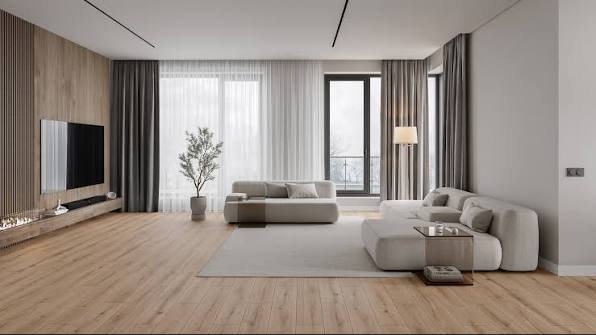
    Today, homes are open. Walls have come down. Kitchens flow into living rooms. Living rooms flow into dining areas. The whole main floor is one continuous space. This means the floor is visible from every angle. It is one of the largest visual elements in the home. It sets the tone for the entire space. It connects the different zones. It creates flow.

    When you have an open concept home, you cannot hide a bad floor. You cannot use a different floor in every corner. You need a floor that works everywhere. You need a floor that is beautiful, durable, and cohesive. You need a floor that can handle the kitchen, the living room, and the dining room without looking out of place.

    This has led to the popularity of wood look tile and luxury vinyl plank. These materials can mimic the warmth of hardwood while providing the durability of tile. They can be used throughout the main floor. They create a seamless look. They are easy to clean. They handle spills and traffic. They are the perfect solution for open concept living.

    It has also led to more thoughtful design. Homeowners are not just picking a floor. They are picking a foundation for their entire design. They are thinking about how the floor will interact with the cabinets, the countertops, the furniture, and the paint. They are thinking about how the floor will make them feel. They are thinking about the flow from room to room. Flooring has become a design decision, not just a construction decision.

    Social Media and the Visual Culture

    Social media has changed the way we think about our homes. We scroll through Instagram and Pinterest. We see beautiful spaces. We see perfectly styled rooms. We see floors that are works of art. We want what we see. We want our homes to look like the photos. We want our floors to be Instagram worthy.

    This visual culture has put pressure on homeowners. It has also inspired them. They are more aware of design trends. They are more willing to take risks. They are more educated about materials and options. They know the difference between porcelain and ceramic. They know the names of tile patterns. They know what a herringbone floor looks like. They have opinions.

    Social media has also made flooring more visible. In the past, you might not notice the floor in a magazine photo. You might focus on the furniture or the art. Today, influencers and designers highlight the floor. They talk about the tile they used. They explain why they chose it. They show close ups of the texture and the pattern. They make the floor a star.

    This has led to a demand for unique, beautiful flooring. Homeowners want floors that stand out. They want floors that tell a story. They want floors that reflect their personal style. They are willing to invest in statement floors. They are willing to try new materials. They are willing to be bold.

    The Home as a Sanctuary

    The pandemic changed everything. It changed how we work. It changed how we live. It changed how we think about our homes. Suddenly, our homes were not just places to sleep and eat. They were offices. They were schools. They were gyms. They were everything. We spent more time at home than ever before. We started to notice things we had ignored. We started to care more about comfort, beauty, and functionality.

    This has led to the idea of the home as a sanctuary. Our homes are our safe spaces. They are our retreats from the world. We want them to feel good. We want them to look good. We want them to support our well being. Flooring plays a big role in this.

    Think about how a floor feels underfoot. A cold tile floor in the morning is jarring. A warm wood floor is comforting. A soft carpet in a bedroom is cozy. A smooth, clean surface in a kitchen is calming. The floor affects our mood. It affects our comfort. It affects our daily experience.

    Homeowners are now choosing floors that make them feel good. They are choosing radiant heating to warm their tile. They are choosing cork or rubber for comfort and sound absorption. They are choosing natural materials that connect them to nature. They are choosing floors that are easy to clean and maintain. They are choosing floors that reduce stress and increase joy.

    This is a big shift. Flooring is no longer just about looks. It is about how it makes you feel. It is about the experience of living in your home. It is about creating a space that nurtures you. This is why flooring has become a bigger part of interior design decisions. It is not just a surface. It is a sensory experience.

    Health, Wellness, and Indoor Air Quality

    Health and wellness are becoming major considerations in home design. Homeowners are more aware of the materials in their homes. They are concerned about indoor air quality. They are concerned about allergens, toxins, and chemicals. They want materials that are safe for their families. They want materials that support their health.

    Flooring is a big part of this. Carpet can trap dust, dander, and allergens. It can harbor mold and mildew if it gets wet. It can off gas volatile organic compounds from adhesives and synthetic fibers. Many homeowners are moving away from carpet for these reasons. They are choosing hard surfaces that are easier to keep clean and healthier to live with.

    Tile is a popular choice for health conscious homeowners. It is non porous. It does not harbor allergens. It does not off gas. It is easy to clean and sanitize. It is a healthy choice for bathrooms, kitchens, and living areas. Porcelain tile is especially good because it is so dense and impervious.

    Hardwood is also a healthy choice if it is finished with low VOC products. It is natural. It is warm. It is beautiful. It does not trap allergens. It is easy to clean. It is a good choice for bedrooms and living rooms.

    Luxury vinyl plank is a mixed bag. Some products contain phthalates and other chemicals. Some off gas. But many manufacturers are now making phthalate free, low VOC products. If you choose vinyl, look for products that are certified for indoor air quality. Look for products that are safe for your family.

    Cork and rubber are also healthy choices. They are natural. They are soft. They are quiet. They are easy to clean. They are good for basements and playrooms.

    The health and wellness trend is driving flooring decisions. Homeowners are asking questions. What is this made of? Does it off gas? Is it safe for my kids? Is it safe for my pets? They are choosing materials that align with their values. They are choosing floors that support their health. This is another reason why flooring has become a bigger part of design decisions.

    The Explosion of Options

    Another reason flooring is becoming more important is the explosion of options. In the past, you had carpet, hardwood, and tile. That was it. Today, you have hundreds of materials, styles, colors, and finishes. You have porcelain that looks like marble. You have vinyl that looks like wood. You have tile that looks like fabric. You have concrete that looks like stone. You have endless possibilities.

    This explosion of options is both a blessing and a curse. It is a blessing because you can find a floor that matches your style and your budget. You are not limited to a few choices. You can be creative. You can be unique. You can find exactly what you want.

    It is a curse because it makes the decision harder. There are too many choices. It is easy to get overwhelmed. It is easy to make a mistake. It is easy to second guess yourself. You need help. You need guidance. You need a professional who can narrow down the options and help you choose.

    This is why tile stores and flooring showrooms have become more important. They are not just places to buy materials. They are places to learn, explore, and get advice. A good Tile Store Toronto will have a wide selection of products. They will have knowledgeable staff. They will have samples you can take home. They will help you navigate the options. They will help you find the perfect floor for your project.

    Flooring as a Design Statement

    Flooring is no longer just a background. It is a design statement. It can be the star of the room. It can be the thing people notice first. It can set the mood. It can express your personality. It can tell a story.

    Think about a herringbone pattern. It is elegant. It is classic. It adds a sense of luxury to any room. Think about a bold geometric tile. It is modern. It is energetic. It adds a pop of color and pattern. Think about a wide plank wood floor. It is natural. It is warm. It adds a sense of calm and connection to nature.

    Homeowners are using flooring to make a statement. They are not afraid to be bold. They are not afraid to be different. They are choosing floors that reflect who they are. They are choosing floors that make them happy. They are choosing floors that are functional and beautiful.

    This is a big change from the past. Flooring used to be something you hid. You covered it with rugs. You chose something neutral so it would not clash. Today, flooring is something you show off. You design around it. You let it shine.

    The Role of Technology

    Technology has also played a role in the rise of flooring as a design element. Manufacturers have developed new technologies that allow them to create flooring that is more realistic, more durable, and more versatile than ever before.

    Digital printing technology allows manufacturers to create tile and vinyl that looks exactly like natural stone or wood. The patterns are high resolution. The textures are embossed to match the grain. You have to touch them to tell the difference. This means you can get the look of expensive marble or rare hardwood for a fraction of the price.

    Durability technology has also improved. Porcelain tile is harder and denser than ever. Luxury vinyl plank is more scratch resistant and waterproof. Laminate is more moisture resistant. These improvements mean you can use materials in places you never could before. You can use wood look tile in a bathroom. You can use vinyl in a kitchen. You can use laminate in a basement.

    Technology has also made installation easier. Click lock systems allow you to install floating floors without glue or nails. This saves time and money. It also makes it easier to replace a damaged plank. Large format tile and thin tile panels allow you to cover more area with fewer grout lines. This creates a seamless, modern look.

    These technological advances have expanded the possibilities. They have made flooring more accessible. They have made it more affordable. They have made it more durable. They have made it more beautiful. They have made it a bigger part of design decisions.

    Where to Start: Finding the Right Flooring Partner

    If you are planning a renovation, the flooring decision can feel overwhelming. There are so many options. There are so many factors to consider. How do you choose? Where do you start?

    The first step is to define your style. What look are you going for? Modern? Traditional? Farmhouse? Industrial? Coastal? Your style will guide your flooring choice. A modern home might look best with large format porcelain tile. A farmhouse might look best with wide plank wood. A coastal home might look best with light, weathered wood.

    The second step is to define your needs. Where will the floor be installed? Is it a high traffic area? Is it a wet area? Do you have pets? Do you have kids? Your needs will determine the material. Porcelain for wet areas. Luxury vinyl for high traffic. Hardwood for living areas.

    The third step is to set a budget. Flooring costs vary widely. You can spend a little or a lot. Decide how much you are willing to invest. Remember that flooring is a long term investment. It is better to spend more on quality than to replace a cheap floor in a few years.

    The fourth step is to visit a showroom. This is the most important step. You need to see the flooring in person. You need to touch it. You need to see how it looks in different lighting. You need to talk to experts. You need to get advice.

    When you visit a showroom, bring your plans. Bring your paint samples. Bring your cabinet samples. Bring photos of your space. The more information you provide, the better help you will get. Ask questions. Ask about durability. Ask about maintenance. Ask about installation. Ask about warranty.

    A good showroom will have a wide selection. They will have knowledgeable staff. They will have samples you can take home. They will help you compare options. They will help you make a confident decision.

    If you are in the Toronto area, look for the Best Tile Store in Scarborough. They will have the products and the expertise you need. If you are in Mississauga, visit Mississauga’s Tile Store for a great selection and helpful service. A good local store is a valuable resource. They know the local market. They know the climate. They know what works in local homes. They can guide you through the process.

    The Future of Flooring Design

    What does the future hold for flooring design? It is hard to predict. But some trends are clear.

    We will see more sustainable materials. Homeowners are concerned about the environment. They want flooring that is eco friendly. They want materials that are recycled, renewable, or responsibly sourced. Bamboo, cork, reclaimed wood, and recycled content tiles will become more popular.

    We will see more technology integration. Heated floors will become more common. Smart floors that monitor temperature, humidity, and even footsteps will emerge. Flooring will become part of the smart home ecosystem.

    We will see more customization. Digital printing will allow homeowners to create custom patterns, colors, and designs. You will be able to order flooring that is uniquely yours.

    We will see more focus on wellness. Flooring that supports health, comfort, and well being will be in demand. Materials that are non toxic, hypoallergenic, and comfortable underfoot will be prioritized.

    We will see more bold design. Homeowners will continue to use flooring as a statement. They will take risks. They will be creative. They will use color, pattern, and texture in new ways.

    Flooring will continue to be a bigger part of interior design decisions. It will continue to evolve. It will continue to inspire. The possibilities are endless.

    Final Thoughts

    Flooring is no longer an afterthought. It is a design decision. It is a statement. It is an investment. It affects how your home looks, feels, and functions. It affects your mood, your health, and your daily life.

    The rise of open concept living has made floors more visible. Social media has made us more aware of design. The pandemic has made us care more about our homes. Health and wellness trends have made us think about materials. Technology has expanded the options. All of these factors have contributed to the growing importance of flooring.

    If you are planning a renovation, do not treat flooring as a minor detail. Treat it as a major design element. Take your time. Do your research. Visit showrooms. Talk to experts. Get samples. Live with them. Then make a decision.

    Your floor is the foundation of your design. It is the stage upon which your life plays out. Choose wisely. Choose beautifully. Choose a floor that you will love for years to come. Your home deserves nothing less.

  • Why Kansas City Homes Benefit From a Whole-Home Approach to Energy Efficiency

    Why Kansas City Homes Benefit From a Whole-Home Approach to Energy Efficiency

    Improving a home’s energy efficiency is not always as simple as replacing old windows or installing a newer heating and cooling system. A house functions as a connected system, and problems in one area can affect comfort, energy use, and performance throughout the property. For Kansas City homeowners, understanding these connections can make it easier to prioritize improvements that deliver meaningful results.

    Energy Efficiency Problems Are Often Connected

    When a home feels uncomfortable, the most obvious problem is not necessarily the underlying cause. A room that stays cold during winter might seem to have a heating problem, for example, but the real issue could be inadequate insulation, air leakage, poorly sealed ductwork, or a combination of several factors.

    The same principle applies during hot Missouri summers. An air conditioner may run for long periods because conditioned air is escaping through gaps in the building envelope. Replacing the equipment without addressing those gaps could leave the homeowner with a newer system but many of the same performance problems.

    A whole-home approach looks at how the major components of the property interact. These commonly include:

    1. Insulation in attics, walls, and other accessible areas
    2. Air leakage around penetrations, doors, windows, and framing
    3. Heating and cooling equipment
    4. Ductwork and airflow
    5. Ventilation
    6. The home’s overall thermal envelope
    7. Patterns in household energy consumption

    Looking at these elements together can provide a much clearer picture than evaluating each component independently.

    Why Kansas City’s Climate Makes Home Performance Important

    Kansas City experiences substantial seasonal changes. Homes need to handle cold winter weather as well as long periods of summer heat and humidity. Those temperature swings place demands on both the building envelope and mechanical systems.

    During winter, warm indoor air naturally seeks pathways to colder areas. Gaps around attic penetrations, plumbing, electrical fixtures, rim joists, and other parts of the structure can allow conditioned air to escape. In summer, unwanted heat and outdoor air can enter through many of those same weak points.

    Insulation helps slow heat transfer, but insulation and air sealing perform different jobs. A house can have a significant amount of insulation and still experience unnecessary energy loss if there are uncontrolled air leaks.

    That distinction is one reason homeowners should avoid assuming that a single improvement will solve every efficiency problem. Understanding where energy is being lost first allows upgrades to be based on evidence rather than guesswork.

    What Professional Energy Testing Can Reveal

    Some home performance issues are easy to spot. A homeowner may notice a draft near an exterior door, an unusually warm upstairs bedroom, or utility costs that increase dramatically during certain months. Other problems are hidden inside walls, ceilings, attics, crawl spaces, and duct systems.

    Professional testing can help uncover those less obvious issues.

    A blower door test, for example, can be used to evaluate the overall airtightness of a building. Instead of simply walking through the house and trying to feel drafts, diagnostic equipment helps determine how much uncontrolled air leakage is occurring.

    Thermal imaging can provide additional information by highlighting temperature differences across building surfaces. Under suitable conditions, these patterns may help identify areas that deserve closer investigation, such as missing or inconsistent insulation.

    Duct leakage testing can also be useful because ductwork is responsible for distributing heated and cooled air throughout the home. Leaks in the duct system may prevent some of that conditioned air from reaching its intended destination.

    Homeowners interested in understanding how these diagnostic methods fit into a broader evaluation can learn more about energy audits in Kansas City MO and the types of building-performance issues an audit may investigate.

    Prioritizing Improvements Instead of Guessing

    One of the biggest advantages of evaluating a home before beginning major efficiency projects is the ability to establish priorities.

    Imagine a homeowner who has a limited improvement budget and is considering replacing several windows. The windows may indeed need attention, but testing might reveal that attic air leakage and inadequate insulation are having a larger effect on the home’s overall performance.

    With better information, the homeowner can decide where available funds are likely to have the greatest practical impact.

    Start With the Building Envelope

    The building envelope separates conditioned indoor areas from outdoor or unconditioned spaces. Common areas to investigate include attics, crawl spaces, basements, exterior walls, doors, and penetrations for utilities.

    Air sealing and insulation often work together. Air sealing addresses unwanted airflow, while insulation reduces heat transfer through building materials.

    Evaluate Heating and Cooling Performance

    HVAC equipment should not be viewed separately from the house surrounding it. Equipment performance can be affected by duct leakage, airflow restrictions, insulation levels, air infiltration, and even the size and layout of the property.

    When replacement eventually becomes necessary, understanding the home’s heating and cooling requirements can also help avoid automatically assuming that bigger equipment is better.

    Address Problems in a Logical Sequence

    The order of improvements matters. Making changes to the building envelope can alter the heating and cooling requirements of a property. For that reason, homeowners planning multiple upgrades may benefit from considering envelope improvements before making decisions about major mechanical equipment.

    A prioritized approach can also prevent unrelated projects from interfering with each other. For example, completing certain air-sealing work before adding attic insulation may be more practical than trying to reach those areas afterward.

    Comfort Can Be an Important Clue

    Energy efficiency is often discussed primarily in terms of utility costs, but comfort problems can provide useful clues about how a building is performing.

    Rooms that are consistently hotter or colder than the rest of the house may indicate insulation, air leakage, ductwork, airflow, or HVAC balancing issues. Persistent drafts can point toward weaknesses in the building envelope. Large temperature differences between floors may suggest that conditioned air is not being distributed effectively.

    Homeowners can begin documenting these patterns before a professional evaluation. Useful observations include when a problem occurs, which rooms are affected, whether it changes with outdoor temperatures, and whether it is more noticeable when heating or cooling equipment is operating.

    This information gives an energy professional additional context and can make the diagnostic process more focused.

    Creating a Long-Term Efficiency Plan

    Not every recommended improvement has to happen immediately. A useful home-performance strategy can be divided into short-, medium-, and long-term projects.

    Lower-cost measures might be addressed first, while larger insulation or HVAC projects can be incorporated into future maintenance and renovation plans. If a roof, heating system, or other major component is approaching the end of its service life, efficiency improvements can sometimes be coordinated with work that would need to happen anyway.

    Homeowners should also keep records of completed improvements, equipment specifications, test results, and relevant reports. This creates a performance history for the property and can be helpful when planning future work.

    Conclusion

    A more efficient home begins with understanding how the property actually performs. In a climate like Kansas City’s, where homes face both winter cold and summer heat, insulation, air sealing, ductwork, HVAC equipment, and ventilation all contribute to the bigger picture.

    Instead of choosing upgrades based solely on assumptions, homeowners can use a whole-home evaluation to identify problems and prioritize improvements logically. Whether the next step involves sealing air leaks, improving insulation, evaluating ductwork, or planning future HVAC work, an energy audit can provide the context needed to make more informed decisions.

  • What to Consider Before Building a Custom Home in Paradise Valley

    What to Consider Before Building a Custom Home in Paradise Valley

    Building a custom home offers something an existing property rarely can: the opportunity to make fundamental decisions around your lifestyle, property, preferences, and long-term plans. In Paradise Valley, Arizona, that opportunity comes with distinctive considerations, from desert conditions and mountain views to indoor-outdoor living and architectural character.

    A successful project begins well before construction crews arrive. Understanding the decisions that shape a custom residence can help homeowners create a property that feels intentional rather than simply impressive.

    Let the Property Guide the Design

    With custom construction, it can be tempting to develop a wish list of rooms and features before thinking deeply about the homesite. However, the characteristics of the property should influence many of the earliest design decisions.

    Orientation is particularly important in the Arizona desert. The direction a home faces can affect natural light, heat exposure, privacy, outdoor comfort, and the views available from key rooms.

    Rather than treating these factors independently, homeowners and their design teams can evaluate them together. A dramatic view, for example, might influence the location of the primary living area, while sun exposure could determine how windows, covered patios, and outdoor gathering areas are positioned.

    Topography matters as well. Instead of forcing a predetermined design onto a site, custom construction can respond to the property’s natural characteristics. This approach can result in architecture that appears connected to its surroundings rather than imposed upon them.

    Develop the Floor Plan Around Daily Routines

    Beautiful architecture is important, but homeowners experience their property through everyday routines.

    Think about a typical morning. Where do you enter the kitchen? How far is the primary bedroom from the main living areas? Is there a convenient transition from the garage into the house? Where are groceries unloaded and stored?

    Then consider less frequent but equally important situations. What happens when extended family visits? Where do guests gather during a dinner party? Can someone work from home without being interrupted by activity elsewhere in the house?

    Questions like these can reveal which features deserve priority.

    A personalized floor plan might include:

    1. A dedicated home office separated from high-traffic areas
    2. A guest suite offering greater privacy
    3. A walk-in or secondary pantry near the kitchen
    4. Convenient connections between the garage and storage areas
    5. An exercise or wellness room
    6. Flexible spaces capable of changing purpose over time
    7. Direct access from major living spaces to outdoor entertaining areas
    8. Specialized storage for hobbies, equipment, or collections

    The goal is not necessarily to add more rooms. It is to make each area earn its place within the overall design.

    Treat Outdoor Areas as Living Spaces

    In Paradise Valley, exterior spaces can play an important role in the experience of a custom home. They should therefore receive the same level of planning as interior rooms.

    A covered patio, for example, becomes more useful when its relationship with the kitchen, living room, pool, and landscape has been carefully considered. Outdoor dining areas benefit from convenient kitchen access, while conversation spaces can be positioned to capture desirable views.

    Shade is another fundamental consideration. Arizona’s abundant sunshine makes thoughtful coverage essential for creating exterior areas that remain comfortable during more of the year.

    This is where early planning becomes particularly valuable. When pools, patios, landscape features, exterior kitchens, lighting, and architectural overhangs are incorporated into the overall concept, the finished property can feel cohesive.

    Homeowners researching luxury custom home construction in Paradise Valley can benefit from considering how the entire homesite—not only the enclosed structure—will support their preferred lifestyle.

    Balance Statement Features With Lasting Design

    Custom homes naturally provide opportunities for distinctive features. Dramatic entryways, expansive glass walls, sculptural staircases, wine rooms, oversized kitchen islands, and resort-inspired primary suites can all contribute personality.

    The challenge is deciding where architectural impact adds genuine value.

    One useful approach is to establish a hierarchy. Select a few areas where dramatic design will have the greatest effect, then allow supporting spaces to be more restrained. This prevents every room from competing for attention.

    Prioritize Permanent Decisions

    Home trends evolve, but some choices are much harder to change than others.

    Structural layouts, window placement, ceiling configurations, exterior materials, and major built-ins are relatively permanent. These elements benefit from careful consideration and an emphasis on proportion, craftsmanship, and long-term appeal.

    Decorative elements are easier to update. Paint, furniture, certain fixtures, accessories, and artwork allow homeowners to experiment with current preferences without making the architecture dependent on a particular trend.

    This distinction can help create a home that feels contemporary when completed but does not quickly appear dated.

    Plan the Details Before Construction Begins

    Some of the biggest frustrations during a custom build come from decisions that were postponed rather than decisions that were made incorrectly.

    A custom home involves an enormous number of interconnected choices. Changing one feature after construction has progressed can affect several others, potentially adding time, cost, or complexity.

    Early planning should extend beyond obvious choices such as flooring and countertops. Homeowners should consider electrical outlets, charging locations, lighting controls, appliance placement, cabinet interiors, storage dimensions, plumbing fixtures, audiovisual equipment, window treatments, and furniture placement.

    Lighting is a particularly good example. Knowing where furniture, artwork, countertops, and architectural features will be located allows lighting to be designed around actual use rather than added generically.

    The same principle applies to technology. Planning infrastructure early can create a cleaner result than attempting to incorporate equipment after finishes have been installed.

    Build Flexibility Into the Home

    A custom home may be designed for today’s lifestyle, but ideally it will continue working as circumstances change.

    That does not require predicting the future. Instead, homeowners can incorporate flexibility into spaces that may eventually serve different purposes.

    A secondary bedroom might initially function as an office. A recreation room could later accommodate visiting family. Storage can be designed generously enough to support changing interests. Thoughtful circulation and accessibility considerations may also make a property more practical over the long term.

    Even technology should be approached with adaptability in mind. Specific devices can become outdated relatively quickly, while well-planned infrastructure can make future upgrades easier.

    Thinking beyond immediate needs can reduce the likelihood that a beautifully customized residence becomes unnecessarily restrictive later.

    Conclusion

    Custom home construction in Paradise Valley is an opportunity to create a residence around a particular property and the people who will live there. Achieving that result requires more than selecting premium finishes. It involves understanding the site, planning daily movement, connecting indoor and outdoor spaces, establishing design priorities, and making important decisions early enough for them to be integrated properly.

    The strongest custom homes often feel effortless when completed, but that simplicity is usually the result of considerable planning behind the scenes. Every view, transition, material, and functional detail contributes to the larger experience.

    By approaching the project as one connected design rather than a collection of individual rooms and features, homeowners can create a residence that responds naturally to the Paradise Valley setting while remaining personal, functional, and adaptable for years to come.

  • Creative Ways to Preserve Your Favorite Pet Memories at Home

    Creative Ways to Preserve Your Favorite Pet Memories at Home

    Pets have a way of becoming part of everyday routines so naturally that many of their best moments are easy to overlook. A funny sleeping position, a favorite spot on the couch, or an expression captured at exactly the right second can eventually become a treasured memory. Finding creative ways to preserve those moments can make a home feel more personal while celebrating the animals that are part of the family.

    Fortunately, preserving pet memories does not require filling every wall with photographs. From carefully organized digital collections to customized home accessories, there are plenty of ways to turn favorite moments into lasting keepsakes.

    Build a Better Collection of Everyday Photos

    Most pet owners already have hundreds—sometimes thousands—of photographs on their phones. The challenge is making sure the best images do not disappear into an enormous camera roll.

    Start by creating a dedicated album for your pet. Every few months, review recent pictures and add the strongest ones. Instead of keeping 15 nearly identical photos, choose the image that best captures the moment.

    Variety makes the collection more meaningful. Try saving photographs that document different parts of your pet’s life, including:

    1. Quiet moments around the house
    2. Outdoor adventures and walks
    3. Holidays and family gatherings
    4. Favorite sleeping positions
    5. Trips and vacations
    6. Interactions with other pets or family members
    7. Particularly funny expressions
    8. Milestones such as adoption days and birthdays

    Over time, this creates something closer to a visual biography than a random folder of snapshots.

    Do not overlook imperfect photographs, either. A slightly crooked picture of a dog racing through the yard may carry more personality than a carefully posed portrait.

    Bring Favorite Images Into the Physical World

    Digital photographs are convenient, but physical keepsakes give favorite images a different role. Instead of occasionally appearing while scrolling through a phone, they become part of the environment.

    Traditional framed photographs remain one of the easiest options. A small frame can fit naturally on a desk, bookshelf, nightstand, or entryway table. Larger prints can become part of an existing gallery wall alongside photographs of family, friends, vacations, and important events.

    There are also less conventional approaches. A favorite image can become an illustration, ornament, textile, or decorative accessory. A personalized pet photo pillow, for example, provides a way to transform a meaningful photograph into something that can be incorporated into a bedroom or living space rather than simply displayed in a frame.

    The objective is not to reproduce every photograph you love. Choose a small number of images that capture something distinctive about your pet and select a format appropriate for each one.

    Choose Photos With Personality

    The “best” photograph for a personalized keepsake is not always the most professional-looking one. Technical quality matters, but personality often matters more.

    Think about what immediately comes to mind when you picture your pet. Perhaps your dog always tilts its head when it hears a particular word. Maybe your cat has an intensely serious expression despite being extremely affectionate. Those recognizable characteristics can make a photograph feel uniquely connected to the animal.

    Pay Attention to Image Quality

    Once you have found a photograph with personality, check its basic technical quality. Images intended for customized products or larger prints generally work better when the subject is clear.

    Look for a photograph with good lighting, visible facial details, and minimal motion blur. Avoid screenshots when you still have access to the original photograph because the original file will generally contain more image information.

    Backgrounds deserve consideration as well. A busy background might not matter when viewing a photograph on a phone, but it can distract from the pet when the image becomes part of a decorative item.

    Natural daylight often produces particularly useful photographs. If you want to intentionally take new pictures, try positioning your pet near a large window or photographing outdoors when the sunlight is relatively soft.

    Create a Pet Memory Box

    Not every memory needs to be photographic. Physical objects can instantly bring back particular stages of a pet’s life.

    A memory box provides one organized place for smaller items you want to preserve. Depending on the pet, that might include an old collar, identification tag, favorite bandana, adoption paperwork, puppy or kitten photographs, competition ribbons, or souvenirs from memorable trips.

    You can also add written memories. A few sentences describing funny habits, favorite games, nicknames, or memorable incidents may become surprisingly valuable years later.

    Consider dating these notes. Details that seem impossible to forget today can become hazy over time, and even a simple date provides useful context.

    For households with multiple pets, separate boxes or clearly divided sections can keep each animal’s story organized.

    Document the Ordinary Routines

    People naturally photograph major occasions, but everyday routines often become the memories they miss most.

    Think about the small behaviors that define your pet’s personality. Maybe your dog waits beside the same window every afternoon. Perhaps your cat insists on sitting beside your keyboard while you work. These moments may not initially seem important enough to document, but they represent what daily life with that animal actually feels like.

    Take occasional photographs and short videos of these routines. You can also write down stories while they are fresh.

    One useful habit is creating an annual “pet year in review.” At the end of each year, choose a handful of favorite photos and record a few memorable moments. This does not need to become an elaborate scrapbook. A single page of notes accompanied by several images is enough to create a meaningful record.

    Make Pet Decor Part of the Room, Not the Theme

    Displaying pet memories does not mean transforming an entire room into pet-themed decor. In many homes, a restrained approach produces a more natural result.

    Choose a few meaningful items and integrate them with what is already there. A customized pillow can sit among solid-colored cushions. A framed pet portrait can join a gallery wall containing other family photographs. A small keepsake can share a shelf with books and travel souvenirs.

    Color can help connect personalized pieces to the rest of a room. If a photograph contains strong colors, surrounding it with more neutral accessories gives it room to stand out. If the image itself is subtle, it can work comfortably within a more colorful setting.

    The goal is to make pet memories feel like an authentic part of the household rather than a separate decorating category.

    Remember That Memories Can Be Practical

    Keepsakes do not always have to sit untouched in a box. Some of the most enjoyable personalized items are objects that remain part of everyday life.

    That might mean displaying a photograph near your workspace, creating a yearly calendar from favorite images, or incorporating a customized textile into a comfortable corner of the house. Practical objects keep memories visible without requiring additional display space.

    This can also make personalized pet items thoughtful gifts. Instead of guessing at another toy or accessory for the animal, a well-chosen photograph can become something intended specifically for the owner.

    Conclusion

    Preserving pet memories is ultimately about noticing what makes an animal distinctive and finding ways to keep those details accessible. Photographs are a natural starting point, but memory boxes, written stories, videos, and personalized decor can all capture different aspects of life with a pet.

    There is no need to document everything. A carefully chosen collection of ordinary moments can tell a richer story than hundreds of forgotten images. By preserving favorite photographs and incorporating a few meaningful keepsakes into everyday spaces, pet owners can create a record that reflects not just what their pets looked like, but the personality and routines that made them such an important part of home.

  • How to Plan a Whole-Home Painting Project Without Creating Unnecessary Disruption

    How to Plan a Whole-Home Painting Project Without Creating Unnecessary Disruption

    Painting multiple areas of a home can deliver a surprisingly significant transformation. Fresh interior colors can make rooms feel cleaner and more intentional, while an updated exterior can improve curb appeal and help protect surfaces exposed to the elements.

    The challenge is that a larger painting project involves more than picking colors and opening paint cans. Homeowners need to think about preparation, scheduling, repairs, room access, weather, and how different parts of the project fit together. A thoughtful plan can make the process considerably easier while producing a more cohesive result.

    Start With a Property-Wide Assessment

    Before deciding which room gets painted first, look at the property as a whole. This helps separate cosmetic preferences from areas that may require more immediate attention.

    Inside, inspect walls, ceilings, baseboards, doors, cabinets, and trim. Look for nail holes, damaged drywall, peeling coatings, stains, cracked caulk, and other imperfections that could affect the finished surface.

    The exterior deserves the same attention. Walk around the home and examine siding or stucco, fascia, eaves, doors, window trim, fences, and other painted features. Peeling paint, damaged wood, cracks, and deteriorated sealant can indicate that additional preparation or repairs will be necessary.

    This assessment can help homeowners create a logical project scope rather than discovering additional work after painting has already started.

    Decide Whether to Paint Everything at Once

    A whole-home refresh does not necessarily mean every surface needs to be painted simultaneously. For many households, breaking the project into logical phases is more manageable.

    An interior project, for example, might be organized by floor or by room function. Bedrooms could be completed together, followed by common areas such as the kitchen, living room, and hallways.

    Exterior work may need to follow a different schedule because weather and surface conditions become more important.

    Consider several practical questions before establishing the sequence:

    1. Which areas currently show the most deterioration?
    2. Are any repairs required before painting can begin?
    3. Which rooms are easiest to temporarily take out of use?
    4. Will furniture need to be relocated between spaces?
    5. Are exterior conditions suitable for painting?
    6. Are other renovations planned that could damage newly painted surfaces?
    7. Would completing related repairs at the same time reduce future disruption?

    Thinking through these details early can prevent a project from becoming unnecessarily complicated.

    Complete Repairs Before Applying the Finish

    Fresh paint can improve appearance, but it should not be treated as a substitute for repairing a damaged surface.

    Interior walls may require patching, sanding, caulking, or drywall work. Exterior surfaces can present different challenges, including cracked stucco, deteriorated wood, failing siding, or damaged trim.

    Whenever possible, these issues should be handled before finish coats are applied. Painting first and repairing later can result in duplicated work because repaired sections may need to be prepared and painted again.

    This is one reason homeowners planning substantial updates may prefer working with professionals capable of addressing related surface issues. Reviewing the scope of Edwards Painting’s interior and exterior services provides an example of how painting can overlap with preparation, carpentry, stucco and siding work, and other home improvements.

    The broader lesson is simple: evaluate what is underneath the paint before focusing exclusively on the final color.

    Build a Consistent Color Strategy

    Painting multiple areas at once provides an opportunity to make the home’s overall color scheme feel more connected.

    That does not mean every room needs to be identical. Instead, homeowners can choose a foundation palette and introduce variation strategically.

    For interiors, neutral or versatile colors in hallways and shared spaces can create continuity between rooms. Bedrooms, offices, or powder rooms can then introduce stronger colors without making the entire house feel visually disconnected.

    Trim color is another useful unifying element. Using a consistent trim treatment throughout adjoining spaces can make different wall colors feel more deliberate.

    Exterior colors require a different approach. The primary wall color needs to work with permanent or expensive-to-replace features such as roofing, stonework, brick, hardscaping, and architectural materials. Trim, doors, and accents can then add contrast.

    It is also worth viewing samples under actual lighting conditions. A color that appears perfect on a small indoor sample can look dramatically different across a large exterior wall in bright afternoon sunlight.

    Prepare for the Practical Side of Interior Painting

    Interior painting temporarily changes how a household uses its space. Planning around that disruption can make the experience much easier.

    Before work starts, homeowners can remove small belongings, artwork, fragile objects, and other items that would otherwise need to be moved during preparation. Larger furniture may need to be relocated or carefully protected.

    It can also help to establish a daily routine for rooms that will remain occupied during the project. If a kitchen, primary bedroom, or home office is involved, consider when those spaces need to remain accessible.

    Professional preparation should include appropriate protection for floors, furniture, fixtures, and adjacent surfaces. Cleanup matters as well, particularly during projects lasting several days.

    The goal is not simply to finish quickly. A well-managed project should balance efficiency with careful preparation and protection of the home.

    Treat Exterior Painting as Preventive Maintenance

    Exterior paint contributes to appearance, but it also plays a practical role in maintaining building materials.

    Outdoor surfaces face constant exposure to sunlight, moisture, dirt, temperature changes, and other environmental conditions. In coastal areas, airborne salt and marine conditions can create additional considerations.

    That makes surface preparation particularly important. Depending on the condition and material, exterior work may involve washing, scraping loose coatings, sanding, repairing cracks, replacing deteriorated material, caulking gaps, priming exposed areas, and applying appropriate exterior coatings.

    Homeowners should also pay attention to transitions around doors, windows, trim, and other architectural features. These smaller areas can influence both the appearance and condition of the overall exterior.

    Rather than waiting until extensive peeling or deterioration becomes obvious, periodic inspection allows smaller maintenance concerns to be identified earlier.

    Coordinate Painting With Other Home Improvements

    Painting is often one part of a larger improvement plan. Flooring replacement, new doors, window work, carpentry, kitchen updates, bathroom improvements, and other projects can all affect painted surfaces.

    The order of operations matters.

    Work that creates significant dust, requires cutting into walls, or involves removing existing fixtures generally belongs before final painting. Otherwise, newly finished walls or trim may need to be repaired.

    Homeowners planning several upgrades should map the entire project before scheduling individual contractors. Even a simple written sequence can identify potential conflicts.

    For example, it usually makes little sense to carefully finish trim that will soon be removed during a door replacement. Likewise, painting around damaged wood instead of repairing it first creates additional work later.

    Coordinating related improvements can result in a cleaner finish while reducing repeated preparation and cleanup.

    A Better Painting Project Starts With Better Planning

    The most noticeable part of a painting project is the finished color, but much of the work that determines quality happens before that stage.

    A successful whole-home refresh begins with assessing surfaces, identifying repairs, establishing the correct project sequence, selecting a coordinated palette, and preparing living areas for the work ahead. Exterior projects also require consideration of weather exposure and the condition of the underlying materials.

    By treating interior and exterior painting as connected parts of overall property maintenance rather than isolated cosmetic tasks, homeowners can make more informed decisions and create results that feel cohesive from the front door to the living spaces inside.

  • Top Benefits of Asphalt Shingle Roofing for New York Homes

    Top Benefits of Asphalt Shingle Roofing for New York Homes

    Selecting the right roofing material is one of the most critical decisions a New York homeowner can make. Given the state’s diverse climate, which ranges from humid, scorching summers to freezing, snowy winters, residential properties require a roofing system that strikes an ideal balance between durability, performance, and cost-effectiveness. Among the wide array of options available today, asphalt shingles remain the overwhelming favorite for single-family residences, multi-family units, and residential properties across the region.

    When property owners evaluate long-term value,asphalt shingle roofing consistently proves to be a top-tier investment. At NY Best Roofer, we have seen firsthand how modern manufacturing techniques have transformed traditional shingles into high-performance architectural assets. Whether you are building a new property, replacing a worn-out system, or seeking rapid response solutions following severe weather, understanding the unique advantages of this material will help you make an informed decision for your home.

    Superior All-Weather Durability and Climate Resilience

    New York weather presents serious challenges to structural integrity throughout the year. Heavy snow accumulation, ice dams, freezing rains, and high-velocity coastal wind gusts can cause severe stress on residential roofs. Premium asphalt shingles are specifically engineered to withstand these extreme environmental shifts. Modern multi-layer architectural shingles feature heavy-duty fiberglass mat bases coated with specialized asphalt layers, providing exceptional resistance against water penetration and structural damage.

    In the event of sudden storm damage, structural shifting, or severe weather impact, speed is essential to prevent internal water intrusion. NY Best Roofer specializes in comprehensive emergency roof stabilization and tarping services to protect properties immediately after wind or hail events. If high winds dislodge shingles or fallen debris punctures the underlying structure, professional emergency tarping creates a secure, watertight seal while permanent repairs are arranged. Having a reliable layer of asphalt shingles installed by experienced professionals ensures that your primary defense against rain and snow remains intact, reducing the frequency of severe emergency situations.

    Cost-Effectiveness and High Return on Investment

    For most property owners, budget plays a central role in roofing material selection. Compared to heavy slate, clay tile, or metal panels,asphalt shingle roofing provides an unbeatable ratio of upfront affordability to long-term performance. The initial material cost is significantly lower than premium alternatives, and the installation process requires less specialized structural reinforcement, keeping overall labor costs manageable.

    Beyond initial savings, installing modern asphalt shingles adds measurable value to your home. Prospective homebuyers recognize the reliability and classic aesthetic of a well-maintained shingle roof. Should unexpected severe weather strike, NY Best Roofer provides fast emergency roof stabilization and tarping to secure damaged sections, minimizing secondary repair expenses to interiors, ceilings, and personal property. This combination of manageable installation costs, low maintenance requirements, and high aesthetic appeal makes asphalt shingles a financially sound decision for any homeowner.

    Versatile Design Options and Aesthetic Appeal

    A roof accounts for a massive portion of your home’s exterior visual presentation. Asphalt shingles offer unmatched versatility in terms of textures, profiles, and color schemes. Homeowners are no longer restricted to flat, uniform colors; modern architectural and dimensional shingles replicate the shadow lines, depth, and character of natural slate or wood shake roofing at a fraction of the cost.

    Whether your property features historical Victorian architecture, classic Colonial styling, or a contemporary design, NY Best Roofer can help you select a shingle style that complements your overall exterior palette. Additionally, modern shingle granules are manufactured with UV-reflective properties and algae-resistant coatings, preventing unsightly black streaks and preserving your home’s curb appeal for decades.

    Ease of Maintenance and Rapid Emergency Support

    Maintaining an asphalt shingle roof is straightforward compared to standard alternatives. Routine visual inspections and periodic cleaning are typically all that is necessary to maintain maximum performance. Because asphalt roofs consist of individual overlapping units, localized repairs are fast and localized. If a single section suffers damage from severe weather, individual shingles can easily be removed and replaced without disturbing the entire structural surface.

    When severe weather impacts your home, instant intervention is critical to protecting your foundation and interior spaces. NY Best Roofer delivers 24/7 emergency roof stabilization and tarping services to immediately control water infiltration and secure vulnerable deck areas. Once temporary tarping isolates the damaged section, our crew can efficiently repair or replace the affected asphalt shingles, restoring complete structural integrity to your roof system quickly and safely.

    Energy Efficiency and Environmental Progress

    Energy efficiency is a major priority for modern property owners looking to lower monthly utility expenses. Advanced reflective asphalt shingles feature specialized granules designed to deflect solar heat away from your attic space. During hot summer months, this thermal resistance reduces heat absorption, keeping internal temperatures lower and reducing the burden on your central air conditioning unit.

    Furthermore, the roofing industry continues to make great strides in environmental sustainability. Today, old asphalt shingles removed during replacement projects are frequently recycled for use in local road paving and infrastructure projects rather than taking up landfill space. By choosing high-qualityasphalt shingle roofing installed by NY Best Roofer, you choose a durable, energy-conscious, and sustainable roofing solution designed to protect your residence for decades to come.

    Frequently Asked Questions

    How long does a typical asphalt shingle roof last in New York?

    Depending on the specific grade of shingle, ventilation, and installation quality, a modern asphalt shingle roof typically lasts between 20 to 30 years. Architectural shingles often last even longer under normal weather conditions. At NY Best Roofer, we install top-quality materials engineered to endure harsh local weather conditions for decades.

    What immediate steps should I take if a storm damages my asphalt shingles?

    If a severe storm dislodges shingles or causes structural damage, contact professionals right away to schedule emergency services. NY Best Roofer provides fast emergency roof stabilization and tarping to seal damaged areas and prevent water from entering your interior space while permanent repairs are planned.

    Are asphalt shingles resistant to high winds?

    Yes, modern asphalt shingles carry high wind resistance ratings, with many architectural lines rated to withstand wind speeds up to 130 mph when installed with proper nailing patterns. NY Best Roofer ensures that every installation meets strict manufacturer standards to provide maximum resistance against wind lift.

    Can individual damaged asphalt shingles be repaired without replacing the entire roof?

    Yes, one of the biggest advantages of an asphalt shingle roof is its modular design. Individual damaged or missing shingles can be removed and replaced without replacing the surrounding system. NY Best Roofer assesses structural integrity to determine whether targeted repairs or full replacements are necessary.

    How does emergency roof tarping protect my home after unexpected roof damage?

    Emergency roof tarping creates a heavy-duty, temporary waterproof barrier over exposed decking, open gaps, or dislodged shingle sections. NY Best Roofer uses commercial-grade tarping securely battened down to resist wind and rain, preventing secondary interior water damage until full restoration can occur.

  • Modern Flooring Designs That Complement Open Concept Homes

    Modern Flooring Designs That Complement Open Concept Homes

    Open-concept living changed the way we think about flooring, whether homeowners realized it at the time or not. When walls come down and the kitchen flows into the dining area and straight on into the living room, the floor stops being a series of separate decisions and becomes one continuous canvas. That shift brings real opportunity and a few genuine challenges, since a choice that looks great in an isolated room can feel disjointed when it stretches across an entire floor plan. Getting the flooring right in these spaces is one of the most impactful design decisions a homeowner can make.

    Why Continuity Is Everything in Open Spaces

    The single most important principle in flooring an open-concept home is visual continuity, and it’s the one people most often get wrong. Running the same flooring throughout the connected spaces makes the entire area feel larger, more cohesive, and intentionally designed rather than cobbled together from separate rooms. Switching materials or colors midway through an open floor plan tends to chop the space up visually, which defeats the entire purpose of removing the walls in the first place. As an installer, I’ve seen beautiful individual choices clash badly simply because they weren’t considered as part of a single connected whole. Think of the floor as one surface, not several.

    Wide-Plank Wood and the Illusion of Space

    Wide-plank hardwood has become a defining look in modern open-concept homes, and for good reason beyond simple aesthetics. Broader planks mean fewer seams across a large space, creating a cleaner, more expansive appearance that suits these layouts beautifully. The longer sightlines in an open floor plan actually showcase wide planks better than a cramped, walled-off room ever could. Lighter and mid-tone woods in particular help reflect natural light around the space, enhancing that open, airy feeling that draws people to this style of living. The trick is choosing a plank width and tone proportioned to the scale of the room, since planks that look bold in a showroom can overwhelm a smaller footprint.

    Luxury Vinyl Plank: Practical Without the Compromise

    For homeowners who love the look of wood but live realistically with kids, pets, and the occasional spilled glass of wine, luxury vinyl plank has genuinely earned its popularity. Modern LVP mimics natural wood convincingly while offering water resistance and durability that real hardwood can’t match, which matters enormously in an open plan where the kitchen and living areas share the same continuous floor. Running a consistent, waterproof surface from the cooking zone through the living space solves a practical problem that used to force awkward material transitions. The technology has advanced far enough that a quality LVP no longer announces itself as an imitation, which was a fair criticism a decade ago but rarely holds up today.

    Large-Format Tile for a Seamless Modern Feel

    Large-format tile deserves serious consideration in open-concept spaces, particularly for homeowners drawn to a sleek, contemporary aesthetic. Bigger tiles mean fewer grout lines, and fewer grout lines create a smoother, more seamless expanse that reinforces the open feeling. This works especially well in warmer climates or homes where a cooler surface underfoot is welcome, and it pairs beautifully with radiant heating for the best of both worlds. The key with large-format tile is proper subfloor preparation and precise installation, since bigger tiles are far less forgiving of an uneven substrate. This is genuinely not a corner to cut, and it’s where professional installation pays for itself.

    Handling Transitions Where They Genuinely Belong

    Even in an open concept home, some transitions are unavoidable, moving from the main living area into a bathroom, a bedroom, or a mudroom. The goal is to handle these thoughtfully rather than jarringly, using coordinated materials and clean transition strips that feel deliberate. Where the open space meets a genuinely separate room, a well-executed transition signals intention rather than an afterthought. Matching or complementing tones across these boundaries keeps the overall design feeling connected even where the material necessarily changes, which is the mark of a job planned properly from the start.

    Getting Expert Eyes on Your Space

    Flooring an open concept home rewards professional insight more than almost any other space, since the decisions carry across such a large, visible area. An experienced installer can assess your subfloor, lighting, and layout to recommend materials and installation directions that flatter the space rather than fight it, and small choices like which way the planks run can dramatically change how large a room feels. If you’re planning a project and searching for a trusted flooring contractor near me, working with someone who understands the particular demands of open layouts saves both money and regret. You can also find us on the map right here to see our location and reviews.

    Flooring an open-concept home comes down to prioritizing continuity, choosing materials proportioned to the scale of the space, and handling the few necessary transitions with genuine care. Whether you lean toward wide-plank wood, durable luxury vinyl, or sleek large-format tile, the right choice ties your entire living area together into one cohesive, inviting space. If you’re ready to transform your open floor plan with flooring that truly complements it, reach out to discuss your project and get expert guidance tailored to your home.

  • What to Do When a Broken Door Becomes an Urgent Problem

    What to Do When a Broken Door Becomes an Urgent Problem

    We rarely think about our doors until they stop working. We expect them to open smoothly when we leave for work and lock securely when we go to bed. They are the quiet protectors of our homes and businesses, keeping us safe from the weather and unwanted visitors.

    But every now and then, a door fails at the worst possible moment. Maybe your garage door jams halfway open late at night, or your front door lock breaks right as you are trying to leave for an important meeting. A broken door is not just a minor inconvenience anymore; it is a sudden emergency that puts your security and your daily schedule at risk. Knowing how to handle these situations can save you hours of frustration and keep your property safe.

    High Stress Situations That Require Immediate Action

    Not every door issue is an emergency. A squeaky hinge or a closet door that sticks can usually wait a few days until you have free time on the weekend. However, certain situations happen that require immediate attention to protect your family or your business.

    Getting Locked Out in Extreme Weather

    Getting stuck outside your own house is always frustrating, but it can become dangerous depending on the time of year. If the temperature drops below freezing or a severe storm hits, being stuck on your porch without a way inside is a genuine hazard. This is especially true if you have young children, elderly family members, or pets with you.

    A Front Door That Refuses to Lock

    Your front door is your main line of defense. If you are packing up to leave for a family vacation or getting ready to sleep at night, and you suddenly realize your deadbolt won’t slide into place, you cannot just leave it. Leaving a main entryway unlocked makes your home a prime target for intruders. You cannot settle for a temporary fix when your peace of mind is on the line.

    Commercial Entryways That Won’t Close

    For business owners, a broken door can bring your entire operation to a halt. If your storefront glass door gets jammed open at closing time, you cannot leave the shop unattended with all your merchandise inside. On the flip side, if a door refuses to open in the morning, your customers cannot get in, and you lose valuable revenue for every hour you remain closed.

    The Hidden Dangers of Trying to Force a Jammed Door

    When a door gets stuck, our natural reaction is often to use force. We pull harder on the handle, throw our shoulder against the wood, or try to yank a stuck sliding door down its track. While this might occasionally pop the door loose, it usually makes the underlying problem much worse.

    If a door is jammed because it has sagged out of alignment, forcing it shut can bend the metal hinges completely out of shape. It can also splinter the wooden frame, turning a simple adjustment job into a costly replacement project. For sliding glass doors, pulling too hard on a jammed panel can cause the heavy glass to crack or completely shatter, creating a major safety hazard.

    Furthermore, using force on a stubborn lock can snap the key off right inside the keyhole. Once a key breaks off inside the cylinder, you can no longer use a spare key, and fixing the lock becomes significantly more complicated. When a door refuses to move, it is telling you that something is physically blocking it or out of alignment, and forcing it will only cause more damage.

    How to Handle a Sudden Door Emergency Safely

    If you find yourself facing a sudden door failure, the most important thing to do is stay calm and assess the situation before acting. Taking a few logical steps can help prevent further damage to your home and keep everyone safe while you look for a solution.

    First, check for any obvious blockages. If a door suddenly won’t close, look closely at the threshold and the hinges. Sometimes a small pebble, a loose screw, or a piece of debris has wedged itself into a tight space, preventing the door from moving. Cleaning out the area might solve the problem instantly.

    Second, do not leave your property unattended if security is compromised. If your business storefront or home front door cannot lock, try to have someone stay behind while you arrange a fix. If you must leave, see if there is a way to secure the area from the inside using an alternative exit, provided it does not create a fire hazard.

    Third, avoid using makeshift tools on delicate locks. Shoving hairpins, knives, or paperclips into a modern smart lock or high security deadbolt can destroy the sensitive internal pins. If a lock is jammed, it is always best to let someone with the proper tools look at it.

    Getting Reliable Help When You Need It Most

    When a door emergency strikes, you do not have time to wait days for a standard service appointment. You need someone who can respond quickly, diagnose the problem on the spot, and bring the right tools to fix it immediately.

    Trying to find a regular contractor in the middle of the night or during a holiday weekend can be incredibly difficult. Most general handymen do not carry the specific replacement rollers, heavy duty tracks, or high security locks needed to fix a commercial or residential entryway on short notice.

    In these urgent moments, relying on specialized experts is the smartest choice you can make. If you find yourself stuck outside, unable to lock your business, or dealing with a heavy door that completely fell off its tracks, you can call the Mr. Door Repair Emergency Service to get professional help right away. Having a dedicated team available around the clock ensures that your home or business is secured without unnecessary delays.

    Restoring Safety and Security to Your Day

    A door emergency can completely ruin your plans and cause a massive amount of stress. It disrupts your schedule, makes you feel vulnerable, and forces you to worry about the safety of your belongings.

    By addressing the issue quickly and bringing in professionals who handle these high pressure situations every day, you can get your life back on track. A fully functioning, securely locking door allows you to sleep peacefully at night and focus on what matters most during the day. Do not take chances with your home or business security; take action the moment a door shows signs of serious trouble.

  • Sarjapur Road Real Estate Boom: Villas and Apartments That Define Luxury Premium Living in Bangalore

    Sarjapur Road Real Estate Boom: Villas and Apartments That Define Luxury Premium Living in Bangalore

    ​Finding a home in Bangalore that keeps you close to your office while offering actual breathing room is a massive challenge. Most neighborhoods near the city center are completely built out, forcing buyers to deal with cramped spaces and constant traffic.

    ​Because of this pressure, the search for better living standards has turned Sarjapur Road into a prime destination for luxury housing. This area is no longer a quiet stretch of highway.

    ​Instead, it is a bustling hub filled with high-end communities, modern townhouses, and expansive residential layouts. It provides an ideal base for professionals who want luxury living without losing touch with the rest of the city.

    ​Why Sarjapur Road Is Becoming a Luxury Real Estate Hotspot

    ​The main force behind this local housing boom is a clear shift in what local buyers expect from their homes. Bangalore’s tech executives and startup founders want more than just a place to sleep. They look for homes that offer personal privacy, dedicated work spaces, and cleaner air.

    ​Civic infrastructure in East Bangalore has grown rapidly to match these expectations. Road layouts are expanding, and municipal approvals favor developments that emphasize low-density living. This transformation makes the corridor incredibly attractive to major real estate brands that build custom premium communities instead of basic budget blocks.

    ​Connectivity Advantage of Sarjapur Road​Access to IT Corridors

    ​Sarjapur Road sits right in the center of East Bangalore’s tech network. It links directly to the Outer Ring Road, Electronic City, Marathahalli, and Bellandur, meaning you can reach multiple employment hubs without getting stuck on just one congested route.

    ​Improved Road Infrastructure

    ​Local highway expansions and new bypass loops have made driving through this zone much easier. These infrastructure upgrades help keep heavy commercial trucks away from quiet residential streets, protecting neighborhoods from noise.

    ​Convenience for Working Professionals

    ​If your job requires you to visit different corporate offices throughout the week, this central axis saves you a massive amount of commute time. Spending less time on the road gives you more time at home, which is why households with multiple working professionals prefer this location.

    ​Premium Villas on Sarjapur Road: Redefining Independent Living

    ​For buyers who want total control over their living space, private luxury villas offer the perfect solution. These properties give you massive floor plans, multi-car parking spaces, and private lawns that common high-rises cannot match.

    ​Living in a managed villa development gives you the quiet feel of an independent home along with community security and shared upkeep. Senior corporate leaders and high-net-worth individuals are driving most of these sales. Many are actively searching for premium villa plots in Bangalore to build custom homes that keep their families safe and serve as strong wealth assets for the future.

    ​Luxury Apartments on Sarjapur Road: Modern Urban Comfort

    ​High-rise luxury flats offer a completely different version of modern convenience, focusing on vertical efficiency and high-end shared amenities. Upscale apartment complexes feature massive clubhouses, indoor sports courts, swimming pools, and dedicated green parks.

    ​A central management team handles all your daily maintenance, power distribution, and water logistics. This setup fits perfectly into the busy schedules of nuclear families and young tech workers who want premium living without the hassle of managing a large estate. So, the constant arrival of new corporate workers into East Bangalore ensures these vertical communities maintain excellent rental value.

    ​Villas vs Apartments on Sarjapur Road: Which Is Better?

    ​Deciding between a private villa layout and a luxury high-rise depends on your personal financial goals and timeline. A villa provides complete ownership of your land, unmatched privacy, and excellent price appreciation over time. It is an ideal pick if you plan to settle down for decades and pass a physical estate to your children.

    ​But high-rise apartments offer a lower entry price and require very little personal effort to run. For investors who want to generate immediate monthly cash flow through rental yields, premium flats are a highly practical choice. They are easy to lease out quickly to corporate professionals compared to a multi-story private home.

    ​Key Factors Driving the Sarjapur Road Real Estate Boom

    ​The continuous opening of new corporate headquarters keeps local land values moving upward every year. Large technology firms select this corridor because it offers the open land needed for massive office campuses.

    ​This commercial growth has brought high-end social infrastructure right to your doorstep. The main road is packed with international schools, major healthcare facilities, shopping centers, and fine dining spots. Residents rarely need to travel toward old central areas for essentials, turning East Bangalore into a self-sufficient urban zone.

    ​Investment Potential of Sarjapur Road Real Estate

    ​From a purely financial perspective, this property market provides a highly reliable mix of asset growth and rental safety. Land values along the primary expansion routes show a steady upward trend as upcoming metro links get closer to completion.

    ​The large pool of tech workers looking for housing creates a dependable safety net for local landlords, protecting them from broader economic drops. As open land inside city boundaries disappears, well-planned residential communities built on large parcels will see the highest value increases.

    ​Who Should Invest in Sarjapur Road Real Estate?

    ​This real estate corridor accommodates a wide range of property buyers. Tech professionals working along the outer highways or looking for alternatives to 3 BHK flats for sale in Whitefield Bangalore will find great choices along this road.

    ​Families looking for quiet neighborhoods with top-rated schools nearby are choosing to secure their capital here. International Indian buyers also favor the region because the scale of these new gated communities matches the high living standards found abroad, offering a safe domestic investment.

    ​Final Thoughts

    ​Sarjapur Road has proven itself as a highly dependable destination for premium living in Bangalore. The neighborhood blends the fast pace of major tech hubs with the quiet environment needed for a comfortable home life.

    ​Whether your long-term plans lead you toward an upscale apartment or a private villa, your success relies heavily on choosing a trusted development partner. Working with established real estate builders like Bricks and Milestones ensures your home features high-quality construction, clean legal titles, and a perfect spot in one of East Bangalore’s strongest growth zones.