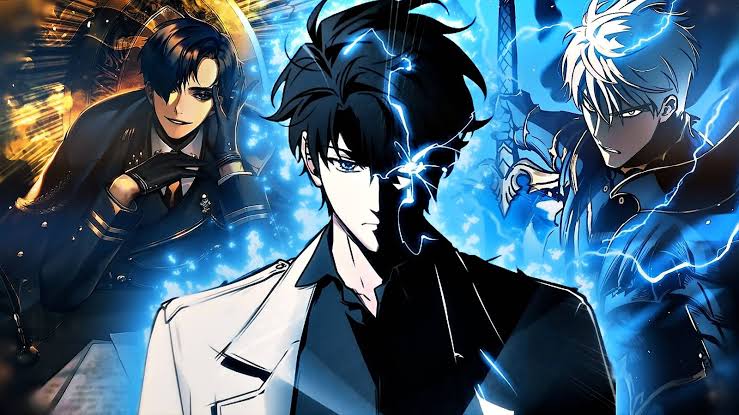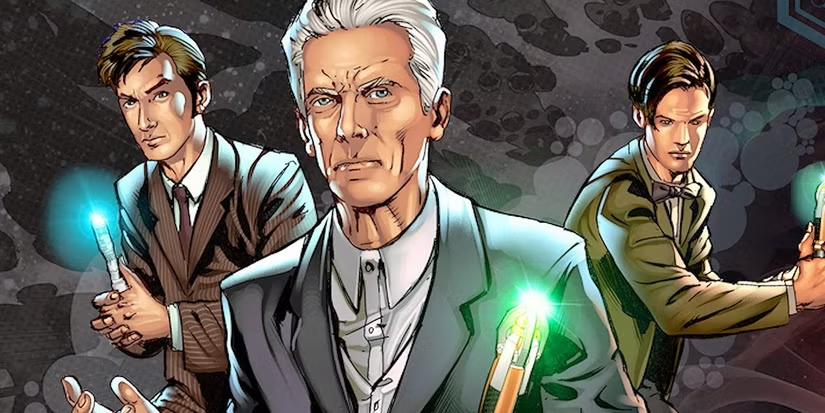
Let’s be honest. Comics can get absolutely ridiculous sometimes, and that’s exactly why we love them. One minute, the protagonist is struggling to pay for lunch, and the next, they’re punching a hole through reality because some ancient cosmic being called them annoying. Somehow, the story expects us to accept both situations without asking too many questions.
And you know what? Fair enough.
But there’s a point where a comic stops being merely unrealistic and starts introducing things that make you question whether the author is even playing by the same rules anymore. Characters survive situations that should be impossible, random powers appear out of nowhere, and supposedly permanent events get reversed because the plot suddenly needs another season.
Welcome to the wonderful world of impossible canon.
The funny thing is that not all impossible things work the same way. Some are genuinely brilliant, some are hilariously absurd, and others feel like the writer made something up five minutes before the deadline. So, let’s break them down into a few categories.
1. The Physics-Has-Left-the-Chat Category
This is probably the most recognizable type of impossible canon.
You know the drill. A character falls from a skyscraper, crashes into the ground, creates a crater, and then gets up with nothing more than a little dust on their clothes. Meanwhile, another character breaks their ankle after stepping on a slightly suspicious-looking rock.
Apparently, the laws of physics are optional in this universe.
Of course, superpowers and exaggerated action are part of the fun. Nobody reads a superhero comic expecting every fight to follow the exact rules of real-world biomechanics. The problem starts when the story establishes physical limitations and then conveniently forgets about them.
If a character can survive a massive explosion without a scratch, why should readers worry when they’re trapped inside a burning building later?
The answer is simple: the story needs consistency, even when its world is completely unrealistic.
A comic can introduce flying cities, gravity-defying martial arts, or people who move faster than light. That’s cool. Just give those impossible things rules that readers can understand.
The moment everything becomes possible whenever the plot demands it, the excitement starts disappearing. After all, how can a dangerous situation feel dangerous when the audience knows the protagonist can randomly ignore reality?
2. The Power System That Suddenly Gets an Update
Every action comic eventually faces a dangerous question: how do you make the protagonist stronger without making every previous challenge look pointless?
Some writers handle this brilliantly. They introduce clever techniques, reveal hidden weaknesses, or show characters learning to use familiar abilities in unexpected ways.
Others simply invent a new power and hope nobody notices.
Suddenly, the protagonist can control time, absorb enemy abilities, or unlock a mysterious transformation that conveniently counters the villain’s strongest attack. The explanation usually involves an ancient bloodline, a forgotten prophecy, or some energy source nobody mentioned until three panels ago.
And somehow, everyone acts like this development was completely logical.
The problem isn’t that characters become stronger. Character progression is one of the biggest reasons people enjoy action stories. The issue is when new abilities appear without meaningful preparation.
A well-written power reveal makes readers think, “Wait, that actually makes sense!”
A badly written one makes them think, “Bro, where did THAT come from?”
The difference comes down to setup. Even the most ridiculous ability can feel satisfying when earlier chapters quietly establish the possibility.
Without that groundwork, the power-up feels less like character development and more like the author pressing an emergency button.
3. The Death That Somehow Needs an Asterisk
Death is supposed to matter. It’s one of the biggest consequences a character can face, especially when the story spends dozens of chapters building emotional connections between characters.
Then comes the resurrection.
At first, bringing someone back from the dead can be an incredible twist. Maybe there’s a rare magical ritual, a dangerous scientific experiment, or a supernatural ability with a genuinely terrible cost.
But when resurrection becomes too easy, things get weird.
A character dies during an emotional sacrifice, everyone mourns, and readers spend days recovering from the heartbreak. Then, three chapters later, the character returns because their soul was apparently hanging around in another dimension.
Well, there goes that emotional damage.
If death can be reversed whenever the author wants, readers eventually stop taking it seriously. They start looking for escape routes instead of feeling the consequences of what’s happening.
That’s why permanent consequences matter, even in stories full of supernatural nonsense.
Resurrection doesn’t automatically ruin a story. It just needs to change something. Maybe the returning character loses their memories, comes back with a different personality, or discovers that the world moved on without them.
Impossible events become compelling when they leave behind believable consequences.
4. The Conveniently Forgotten Historical Event
This category is especially entertaining in long-running comics.
The story introduces an ancient war that supposedly changed the entire world. Entire civilizations disappeared, powerful kingdoms collapsed, and generations of people built their lives around the consequences.
Then, much later, the protagonist discovers a secret document explaining that the war happened for a completely different reason.
Okay, interesting.
But then another revelation appears, claiming that the document was fake. Another character reveals a hidden truth. Finally, the author introduces a third version of events that somehow contradicts everything established before.
At this point, the world’s history feels less like a carefully constructed mystery and more like a group project where nobody read the previous chapters.
Mysteries are great, though. A comic should absolutely be allowed to hide information and reveal unexpected truths.
The key is making the new information fit the old information without destroying its meaning.
A good revelation changes how readers understand the past. A bad revelation makes them wonder whether the past ever had a consistent explanation in the first place.
5. The Romance That Survives Absolutely Everything
Apparently, some fictional relationships are stronger than physics, death, time, and basic common sense combined.
Two characters can spend an entire story misunderstanding each other, hiding important information, and making catastrophically bad decisions. Somehow, they’re still considered the perfect couple because they once shared an emotional conversation under the rain.
It’s almost impressive.
Romance can absolutely thrive in dramatic situations. Characters don’t need healthy communication skills from the beginning, and relationships can survive serious challenges. That’s often what makes their development satisfying.
But there’s a difference between overcoming problems and pretending those problems never mattered.
If one character repeatedly betrays the other and the story resolves everything with a single apology, the relationship might feel more like a plot requirement than a believable connection.
The same goes for instant devotion. Sometimes, a character meets someone once and immediately decides that person is their entire universe.
Maybe that’s the intended fantasy. Fair enough.
Still, emotional development usually becomes more convincing when the characters have reasons to trust each other beyond destiny, dramatic music, and convenient timing.
6. The Narrative Says One Thing, but the Evidence Says Another
Now we’re getting into the really interesting stuff.
Sometimes, the impossible thing isn’t a supernatural event. It’s the story insisting that something is true when everything we actually see suggests otherwise.
A protagonist is described as a genius, yet every plan they create depends on other people making unbelievably stupid decisions. A supposedly terrifying villain spends every major confrontation explaining their evil intentions instead of doing anything useful. A kingdom claims to value justice while its rulers openly punish innocent people.
The comic keeps telling us one thing, but the evidence points in another direction.
This can happen accidentally, but it can also create fascinating storytelling opportunities.
An unreliable narrator, for example, might genuinely believe they’re heroic while the artwork reveals the damage they’ve caused. Their version of reality becomes part of the conflict, and readers must decide what to believe.
When you baca komik, pay attention to these contradictions. The gap between what a story claims and what it actually shows can reveal more than a straightforward explanation ever could.
Sometimes, the most impossible thing in a comic isn’t the magic system or the supernatural world.
It’s the idea that everyone should accept an obvious lie.
7. The Canon Event That Exists Because the Author Said So
Here’s the final boss of impossible canon: the event that supposedly cannot be changed, avoided, or prevented.
A character learns about a predetermined tragedy. They spend dozens of chapters trying to stop it, only to discover that every attempt somehow causes the exact outcome they wanted to avoid.
It’s a classic fate-versus-free-will setup.
When done well, this concept can be emotionally devastating. It forces characters to confront their limitations and decide what their choices mean in a world that seems determined to control them.
But sometimes, the prophecy survives purely because the author needs it to happen.
Characters discover obvious loopholes but refuse to use them. Someone develops a power that should solve the problem, only for the power to suddenly stop working. A previously established rule gets reinterpreted at the last possible moment.
The story isn’t exploring destiny anymore. It’s protecting a predetermined outcome from its own logic.
And readers can usually feel the difference.
The strongest stories make fate difficult to escape, not impossible to question.
Why We Keep Accepting the Impossible
Here’s the thing: comics don’t need to be realistic to be good. In fact, some of the best stories are built around ideas that would be completely absurd in real life.
We enjoy impossible powers, bizarre worlds, supernatural mysteries, and characters who survive things that would destroy ordinary people. That’s part of the appeal.
The real question is whether the story makes us care about what happens.
When exploring new titles through platforms like komiku, readers can discover all kinds of worlds, from over-the-top action adventures to stories packed with psychological twists and strange supernatural rules. If you enjoy trying different genres, a platform dedicated to the latest comics and manga in Indonesia can be a fun place to find your next obsession.
And if you prefer to baca manga with complicated power systems or unpredictable plot developments, try asking yourself one simple question: does this impossible event actually make the story more interesting?
If the answer is yes, enjoy the ride.
If the answer is no, well, at least you have something to complain about with your fellow readers.
Final Thoughts: Canon Isn’t Automatically Good Writing
At the end of the day, calling something canon doesn’t magically make it believable, satisfying, or well-written.
A fictional world can ignore gravity, resurrect the dead, rewrite history, and introduce powers that make absolutely no sense in the real world. That’s perfectly fine.
What matters is whether those decisions serve the story.
The best comics understand that readers are willing to believe almost anything when the narrative earns their trust. Give us consistent rules, meaningful consequences, and characters whose decisions make sense within their world, and we’ll happily follow them into the most ridiculous situations imaginable.
But ask us to accept a random plot twist simply because the story demands it, and suddenly we’re questioning everything.
Maybe that’s the real taxonomy of impossible things: the impossible events that make us fall deeper in love with a story, and the impossible excuses that make us wonder whether the writer has lost the plot.
Because in comics, almost anything can become canon.
Making it actually work?
Now, that’s the real superpower.