


There’s a point—usually after one too many odd-tasting glasses of water or stubborn stains on your taps—when you start thinking, maybe it’s time to do something about this.
Not a full overhaul. Not a big, dramatic upgrade. Just… something that makes your water feel a bit more reliable.
And then you start looking into it, and suddenly you’re hit with options. RO systems, whole house filters, cartridges, maintenance schedules—it can feel like a lot for something that’s supposed to be simple.
But here’s the thing: it doesn’t have to be overwhelming. Once you understand the basics, it all starts to make sense.
Why Water Choices Matter More Than We Think
Water touches almost every part of your day. You drink it, cook with it, shower in it, wash your clothes with it. It’s easy to forget how much you depend on it until something feels off.
A strange taste. A smell that lingers for a second too long. Soap that doesn’t behave the way it should.
These aren’t major problems—but they’re signals. Small reminders that your water might not be as balanced as it could be.
And that’s where the idea of improving it starts to feel less like a luxury and more like a practical step.
Understanding the Difference Without Overcomplicating It
One of the most common questions people run into is whether they should go for a drinking water system or something that treats water throughout the entire home.
The whole conversation around RO vs whole house filter can sound technical at first, but it’s actually pretty straightforward.
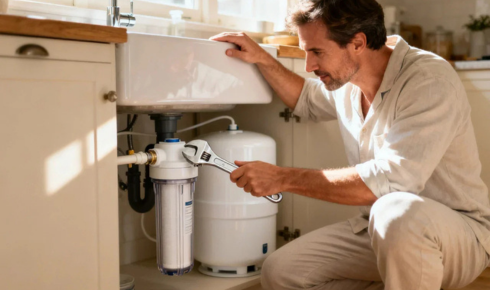
An RO system focuses mainly on drinking water. It’s installed at a single point—usually under your kitchen sink—and it works by filtering out a wide range of impurities, giving you cleaner, more refined water for consumption.
A whole house filter, on the other hand, treats water as it enters your home. That means everything—from your shower to your washing machine—benefits from improved water quality.
Neither option is “better” in a universal sense. It really depends on what you’re trying to fix. If taste and drinking quality are your main concerns, RO makes sense. If you’re dealing with broader issues like sediment, chlorine, or general water feel, a whole house system might be the way to go.
Sometimes, people even combine both. It’s not uncommon.
The Mistake Most People Make
Here’s where things get interesting. Many people focus entirely on choosing the right system—but forget about what happens after installation.
Because no matter how good your system is, it won’t stay that way without a bit of care.
Following simple system maintenance tips can make a huge difference in performance and longevity. Filters need to be replaced. Membranes need occasional checks. Small things, really—but easy to overlook.
And when they’re ignored, you might start noticing issues again. Taste changes, flow slows down, or the system just doesn’t feel as effective as it once did.
Maintenance isn’t complicated, but it’s essential. Think of it like servicing your car—it keeps everything running smoothly.
It’s Not Just About Taste—It’s About Peace of Mind
While taste is often the first thing people notice, there’s a deeper layer to all this.
Water quality is closely tied to residential water safety, even if we don’t always think about it in those terms. It’s about knowing that what you’re using every day—whether for drinking, cooking, or bathing—is within a range you’re comfortable with.
You’re not second-guessing. You’re not relying on bottled water as a backup. You’re just… using your tap like it was meant to be used.
And that peace of mind? It’s hard to put a price on.
The Subtle Changes That Add Up
What surprised me the most wasn’t how dramatic the change was—but how subtle it felt.
There wasn’t a big “wow” moment. Instead, it was a series of small improvements.
Water tasted better. Showers felt smoother. Cleaning became a bit easier. Even the way dishes dried looked different—less residue, fewer streaks.
It’s not something you notice all at once. But over time, it becomes your new normal.
And once you get used to it, going back feels… off.
Why People Delay Making a Decision
If improving water is so beneficial, why do so many people put it off?
Part of it is confusion. Too many options, too much information. It’s easy to feel stuck.
Part of it is habit. We adapt to what we have, even if it’s not ideal. We tell ourselves it’s fine, or that we’ll deal with it later.
And part of it is timing. Water issues rarely feel urgent. They don’t break anything overnight.
But that doesn’t mean they’re not worth addressing.
Starting Without Overthinking It
If you’re considering improving your water, the best approach is to keep things simple.
Start with your biggest concern. Is it taste? Smell? Residue? Dry skin? Once you identify that, the right solution becomes clearer.
You don’t need to solve everything at once. Even a small improvement can make a noticeable difference.
And from there, you can build on it.
A Quiet Upgrade That Changes Everyday Life
In the end, improving your water isn’t about chasing perfection. It’s about making your daily routine a little more comfortable, a little more predictable.
It’s about turning on the tap and not thinking twice.
No hesitation. No adjustments. Just water that feels the way it should.
And maybe that’s the real goal—not to complicate things, but to bring them back to something simple.