

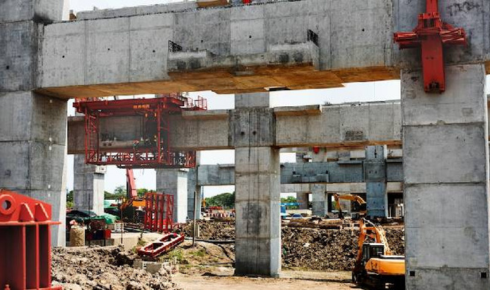

In modern construction, the strength of any structure depends heavily on the quality of its foundation. Whether it is a residential building, a commercial complex, or a large infrastructure project, choosing the right foundation system is crucial. Among the most reliable foundation options used today are concrete piles and precast concrete piles, both known for their durability, load-bearing capacity, and long service life.
Concrete piles are vertical structural elements that are driven or cast deep into the ground to transfer building loads to stronger soil layers or bedrock. They are commonly used in areas where surface soil is weak, loose, or unstable. By penetrating deep into the ground, concrete piles ensure that the weight of the structure is safely distributed, reducing the risk of settlement or structural failure.
One of the main advantages of concrete piles is their versatility. They can be used in a wide range of soil conditions, including clay, sand, and mixed soil profiles. Additionally, concrete piles are highly resistant to corrosion, moisture, and chemical reactions in the soil, making them suitable for long-term use in harsh environments. This resistance contributes significantly to the overall safety and longevity of buildings and bridges.
Another major benefit is their high load-bearing capacity. Concrete piles can support heavy vertical loads as well as lateral forces caused by wind, earthquakes, or water pressure. This makes them ideal for high-rise buildings, flyovers, marine structures, and industrial facilities. With proper design and installation, concrete piles provide excellent structural stability even under extreme conditions.
Precast concrete piles, on the other hand, are manufactured in a controlled factory environment before being transported to the construction site. This process ensures consistent quality, precise dimensions, and superior strength compared to piles cast directly on-site. Since they are produced under strict quality control, precast concrete piles often have fewer defects and better overall performance.
One of the biggest advantages of precast concrete piles is faster construction time. Because the piles are ready-made, installation on-site can begin immediately without waiting for curing time. This helps reduce project timelines and labor costs, making precast piles a cost-effective solution for large-scale projects. Faster installation also minimizes disruption in urban areas where construction speed is critical.
Precast concrete piles are also environmentally friendly. Factory production reduces material wastage, and the controlled process ensures optimal use of raw materials. Additionally, the reduced on-site work leads to less noise, dust, and pollution, making precast piles suitable for projects in residential or environmentally sensitive areas.
From a structural perspective, precast piles offer excellent strength and durability. They are designed to withstand high driving stresses during installation and can be reinforced with steel to enhance performance. Their smooth finish and uniform shape allow for easy handling and precise placement, ensuring accurate alignment and load transfer.
Both concrete piles and precast concrete piles play a vital role in modern construction practices. The choice between the two often depends on project requirements, soil conditions, budget, and construction timeline. While cast-in-place concrete piles offer flexibility for custom designs, precast piles excel in speed, quality control, and consistency.
In conclusion, selecting the right piling system is essential for building safe and long-lasting structures. Concrete piles provide a strong and adaptable foundation solution, while precast concrete piles offer efficiency, reliability, and superior quality. By understanding their benefits and applications, builders and engineers can make informed decisions that ensure structural stability and long-term performance for any construction project.