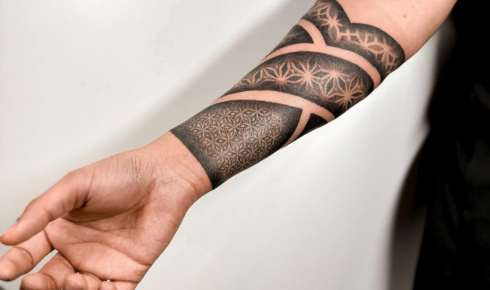
The forearm is one of the most consistently popular tattoo placements for men — and it has been for decades. It offers the right balance of visibility and versatility, works for everything from small minimalist designs to full sleeve compositions, and heals well compared to more sensitive areas. If you are considering your first forearm tattoo or planning to add to an existing piece, understanding your options before booking makes a significant difference in the outcome.
Why the Forearm Works So Well
The forearm provides a generous, relatively flat surface that tattoo artists can work on with precision. Unlike the ribs, chest, or spine — where movement and skin sensitivity create challenges — the forearm is stable, accessible, and manageable for both the artist and the person being tattooed. Most men describe the pain level as moderate at worst, with the inner forearm slightly more sensitive than the outer due to thinner skin near the veins.
From a practical standpoint, the forearm is easy to show or conceal depending on the situation. Long sleeves cover it completely for professional environments, while short sleeves or rolled cuffs display it naturally. This flexibility is one reason it remains a first-choice placement for men entering the workforce as well as those with extensive existing ink.
Popular Styles for Men’s Forearm Tattoos
The style you choose should reflect both your personal taste and how you want the piece to function in the context of your arm. If you are planning to build a sleeve eventually, the forearm tattoo becomes a foundation piece — its style, line weight, and shading approach will influence everything that gets added around it.
Geometric and blackwork designs are among the most requested styles for forearm placements in 2026. Clean lines, symmetrical patterns, and strong contrast age well on the forearm and translate clearly from a distance. They also connect naturally to gap filler elements if you plan to develop the area into a fuller composition later.
Japanese-inspired designs — including koi, dragons, tigers, and wave patterns — have remained consistently popular for forearm placements because the style was developed with body flow in mind. Japanese tattooing is designed to move with the arm, which makes the forearm one of its most natural placements.
Realism portraits, fine line nature scenes, and script tattoos are all strong choices depending on the level of detail you want and the artist’s specialty. Script tattoos in particular tend to work better on the inner forearm, where the flat surface allows for clean lettering.
For a comprehensive breakdown of the most effective forearm designs, styles, and placement strategies, the guide to forearm tattoos for men covers everything from beginner-friendly options to full sleeve development approaches.
Inner vs Outer Forearm: What to Choose
The inner forearm is considered more personal — many men choose it for meaningful quotes, dates, or symbols they want to see themselves rather than display outwardly. The skin here is slightly more sensitive but heals consistently well.
The outer forearm is more visible and better suited for bold imagery, artwork, or designs intended to make an impression. It also tends to be slightly less painful due to the thicker skin and more muscle beneath.
Some men choose to use both surfaces as part of a planned composition, working with their artist to design pieces that flow together when the arm is in different positions. This approach requires more upfront planning but produces results that look significantly more intentional than pieces placed independently.
Planning Your Forearm Tattoo
The most common mistake men make with forearm tattoos is not thinking about the long-term picture before the first appointment. A single forearm piece placed without considering future additions can limit your options for building a cohesive sleeve later. Discussing your long-term vision with your artist — even if you are only booking a single piece now — allows them to position the design in a way that leaves room for growth.
Gap fillers and background elements are also worth understanding before you commit. Forearm compositions often need connecting elements between individual tattoos, and knowing which filler styles work for your chosen aesthetic will save you significant time and money down the line. The broader resource at Tattoo Filler Ideas covers filler strategies, background options, and composition techniques that apply directly to forearm sleeve development.
Aftercare and Healing
Forearm tattoos generally heal well, but the inner forearm can be prone to more movement-related irritation during the early healing phase. Keeping the area clean, moisturised with a fragrance-free ointment, and away from direct sun exposure for the first two weeks makes a measurable difference to how cleanly the ink settles.
Avoid tight clothing over a healing forearm tattoo, keep it out of chlorinated water for at least three weeks, and resist the urge to pick at any peeling skin. The healing process typically takes two to three weeks for the surface, with deeper layers of skin continuing to settle for up to three months.