Modern life depends on reliable electricity more than ever before. From remote work and home automation to electric vehicles and advanced commercial equipment, the demands placed on electrical systems continue to grow. Yet many residential and commercial properties still rely on infrastructure that was designed decades ago for a very different era.
As technology evolves, electrical upgrades are becoming less of a luxury and more of a necessity. Property owners who invest in modern electrical solutions today can improve safety, efficiency, reliability, and long-term value while preparing for future energy needs.
Why Electrical Infrastructure Matters More Than Ever
Electrical systems are often hidden behind walls, making them easy to overlook until a problem occurs. However, an outdated system can create numerous challenges, including frequent breaker trips, insufficient power capacity, inefficient energy usage, and potential safety concerns.
Today’s households use significantly more electricity than previous generations. Multiple computers, smart devices, entertainment systems, kitchen appliances, HVAC equipment, and electric vehicle chargers can all operate simultaneously. Businesses face similar challenges as they adopt new technologies and expand their operations.
Without adequate electrical infrastructure, these growing demands can strain existing systems and reduce overall performance.
Common Signs It’s Time for an Upgrade
Many property owners don’t realize their electrical system may need attention until obvious warning signs appear. Recognizing these indicators early can help prevent larger issues later.
Some common signs include:
- Flickering or dimming lights
- Frequently tripped circuit breakers
- Outdated electrical panels
- Insufficient outlets in key areas
- Warm or discolored outlets and switches
- Dependence on extension cords
- Difficulty supporting new appliances or equipment
- Plans to install EV charging stations or backup power systems
Addressing these concerns proactively often leads to better performance and lower long-term costs compared to waiting for a major failure.
The Growing Demand for Electrical Capacity
One of the biggest shifts in recent years has been the increased demand for electrical capacity. New technologies require more power than many older systems were designed to provide.
Electric Vehicle Charging
Electric vehicle adoption continues to accelerate. Homeowners and businesses are increasingly installing charging stations to support daily transportation needs. While convenient, EV chargers place substantial demands on electrical systems and often require panel upgrades or dedicated circuits.
Home Offices and Remote Work
Remote work has changed how people use electricity at home. Multiple monitors, networking equipment, printers, and other devices can create a constant electrical load that wasn’t anticipated when many homes were originally constructed.
Smart Home Technology
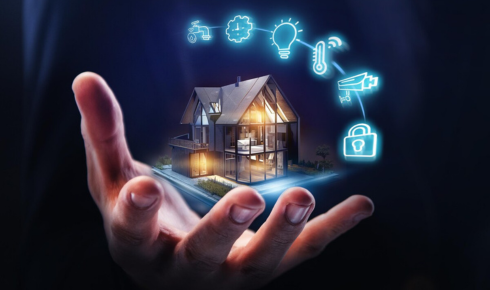
Connected devices, security systems, smart thermostats, automated lighting, and integrated energy management tools all contribute to rising electrical requirements. A modern electrical system provides the foundation needed for these technologies to function effectively.
Safety Benefits of Modern Electrical Systems
Safety remains one of the most compelling reasons to invest in electrical improvements.
Older wiring methods, aging panels, and deteriorating components can increase the likelihood of electrical failures. Modern installations are designed to meet current codes and safety standards, helping reduce potential hazards while improving overall system reliability.
Professional electrical contractors can evaluate existing infrastructure, identify areas of concern, and recommend solutions tailored to a property’s specific needs. This approach helps ensure that upgrades align with both current demands and future expansion plans.
For property owners seeking guidance on residential and commercial electrical improvements, exploring Avant Electric services can provide valuable insight into common upgrade options and professional installation practices.
Backup Power and Energy Resilience
Power outages can disrupt daily routines, impact business operations, and create significant inconvenience. As extreme weather events and grid challenges become more common, backup power solutions are gaining popularity.
Home Backup Generators
Residential generators can help homeowners maintain essential functions during outages, including refrigeration, lighting, heating, cooling, and communication systems.
Commercial Continuity Planning
Businesses often face financial losses when operations are interrupted. Backup power systems can help maintain productivity, protect equipment, and minimize downtime during unexpected outages.
Investing in energy resilience not only improves reliability but also provides greater peace of mind during emergencies.
Energy Efficiency and Long-Term Savings
Electrical upgrades are often associated with improved efficiency. While the primary objective may be safety or capacity, modernization can also contribute to lower energy consumption.
Examples include:
- LED lighting conversions
- Advanced electrical controls
- Smart energy management systems
- Efficient power distribution
- Upgraded electrical panels
- Modern circuit protection devices
Over time, these improvements can help reduce waste and support more sustainable energy use without sacrificing performance.
Supporting Business Growth Through Electrical Improvements
For commercial property owners, electrical infrastructure plays a direct role in operational success.
Expanding businesses frequently require additional power for machinery, technology, lighting, and employee workstations. An outdated electrical system can become a bottleneck that limits growth opportunities.
Strategic upgrades allow businesses to:
- Accommodate new equipment
- Improve workplace safety
- Reduce downtime
- Support energy-efficient operations
- Prepare for future expansion
- Enhance overall property value
Whether renovating an existing facility or preparing for future growth, a strong electrical foundation helps ensure long-term operational flexibility.
Planning for the Future
One of the most important aspects of any electrical upgrade is planning beyond immediate needs. Property owners who take a long-term approach often achieve better results because their systems are designed to accommodate future technologies and changing requirements.
Questions worth considering include:
- Will electrical demand increase over the next decade?
- Are electric vehicles part of future transportation plans?
- Is backup power becoming a priority?
- Will smart technologies continue to be added?
- Are renovations or expansions likely?
Thinking ahead allows property owners to make informed decisions that deliver lasting value.
Conclusion
Electrical systems serve as the backbone of modern homes and businesses. As energy demands continue to evolve, upgrading electrical infrastructure becomes increasingly important for safety, reliability, efficiency, and future readiness.
Whether the goal is supporting new technologies, improving resilience during outages, increasing capacity, or enhancing overall performance, strategic electrical improvements can provide substantial long-term benefits. By investing in modern solutions today, property owners can create safer, more adaptable environments that are prepared for the challenges and opportunities of tomorrow.