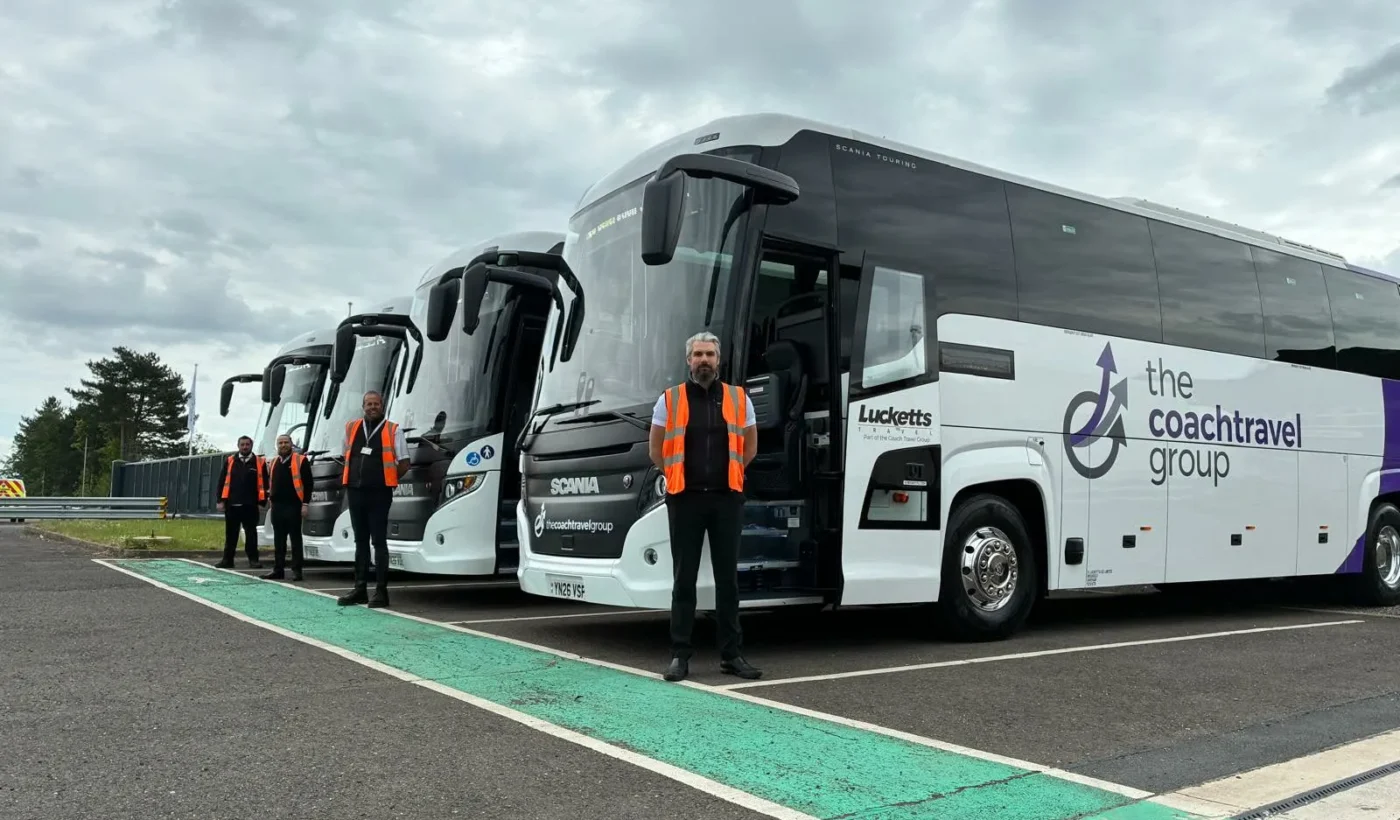
How Coach Hire Supports Sustainable Group Travel Across the UK
Organising group travel involves more than simply finding a suitable vehicle. For schools, businesses, community organisations and event organisers, choosing an appropriate form of transport can influence journey times, costs, accessibility and environmental impact. uk coach hire provides a practical option for moving larger groups together, particularly when several people would otherwise need to travel separately.
The Role of Coach Travel in Group Transport
Group transport can become complicated when passengers rely on individual cars or multiple smaller vehicles. Coordinating departure times, parking arrangements and different routes can create additional logistical challenges.
A coach allows a larger number of passengers to travel as one group. Instead of arranging separate journeys for each individual, organisers can plan around a shared departure point and destination. This can make the overall travel plan easier to coordinate, particularly for events involving fixed arrival times.
Coach travel can also be used across a wide range of industries. Education providers may require transport for school trips and educational visits, while businesses can arrange travel for conferences, meetings and corporate events. Sporting organisations, charities and community groups may also use coaches when travelling to activities outside their local area.
Coach Hire and Sustainable Travel
Transport is an important consideration when organisations are looking at ways to reduce unnecessary environmental impacts. A single coach can carry many passengers during the same journey, potentially reducing the number of individual vehicles required.
This can be particularly relevant for large events. If dozens of attendees travelled independently by car, the same journey could involve numerous vehicles using roads and parking facilities. Bringing passengers together through group transport can reduce the number of separate journeys needed.
The environmental performance of any journey depends on factors including passenger numbers, distance travelled, vehicle efficiency and the alternative transport available. However, shared transport can form part of a broader strategy for encouraging more efficient travel.
Supporting Events and ConferencesTransport Between Venues
Businesses organising conferences, exhibitions and corporate events may need to move attendees between hotels, meeting venues, railway stations or other locations. Coach transport can provide a scheduled connection between these points.
This approach is particularly useful when venues are located outside major public transport networks. A planned coach service can connect different parts of an itinerary without requiring every attendee to arrange their own transport.
Managing Large Groups
Large events can create pressure on local roads and parking areas. Coordinated transport allows organisers to plan passenger movements around designated collection and drop-off points.
For conferences, this can also help create a more structured timetable. Coaches can operate around the planned event schedule, reducing the need for attendees to navigate unfamiliar transport networks independently.
Applications Across Different Industries
The need for organised group transport extends beyond corporate events. The education sector frequently requires transport for pupils, teachers and other staff travelling to museums, activity centres, universities and cultural attractions.
The tourism industry also relies on group transport for organised excursions and multi-stop itineraries. Coaches can accommodate groups travelling between several destinations without requiring passengers to manage their own vehicles.
In the sports sector, teams and supporters may require transport to fixtures and tournaments. Travelling together can simplify arrangements around equipment, meeting points and scheduled arrival times.
Community organisations can similarly use group transport for day trips, social activities and organised visits. The common factor across these applications is the need to move multiple passengers efficiently according to a shared itinerary.
Planning Effective Group Journeys
Good planning is essential when arranging group travel. Organisers should establish the number of passengers, journey dates, collection points, destinations and expected arrival times before making transport arrangements.
The nature of the journey can also influence the type of vehicle required. A short transfer between venues may have different requirements from a full-day excursion involving several stops.
Accessibility should be considered during the planning process as well. Organisers may need to establish whether passengers have specific mobility requirements or require additional assistance during boarding and travel.
Clear communication is equally important. Providing passengers with accurate departure information, meeting points and expected timings can help avoid delays and confusion on the day.
The Future of Group Travel
As organisations continue to consider efficiency and sustainability within their travel arrangements, shared transport remains relevant across many industries. Coach travel can bring passengers together, simplify logistical planning and provide an alternative to multiple individual journeys.
For businesses, schools, event organisers and community groups, the most appropriate transport solution will depend on the size of the group, journey requirements and available infrastructure. Considering these factors at the planning stage can help create a more coordinated approach to group travel across the UK.