

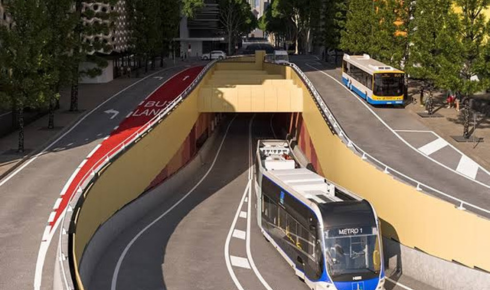

The bus network in Hobart is the primary form of public transport for many residents and visitors. It connects the central city with surrounding suburbs, shopping areas, educational facilities, healthcare services, recreational locations, and regional communities. Understanding how the network operates before making your first journey can make travelling much easier and more enjoyable.
The network generally works by following scheduled routes that begin and end at major transport hubs or suburban terminals. Most routes travel through the central city, making it possible for passengers to transfer between services if they need to reach destinations that are not connected by a direct route. Some services are designed to provide frequent travel during busy commuting periods, while others operate less frequently in outer suburban or regional areas.
Bus schedules usually vary depending on the day of the week. Weekday services are generally the most frequent because they cater to commuters travelling to work, school, and university. During weekends and public holidays, buses often operate on reduced timetables, meaning passengers may need to plan ahead more carefully to avoid long waiting times.
A new passenger should always check the timetable before leaving home. Although many routes run consistently throughout the day, departure times can differ significantly during mornings, afternoons, evenings, and weekends. Understanding whether a service operates every fifteen minutes, every thirty minutes, or only a few times per day can help avoid unnecessary delays.
It is also helpful to become familiar with route numbers and destination signs displayed on the front of buses. Different routes may share part of the same journey before branching off toward different suburbs. Reading the destination information carefully ensures passengers board the correct service.
Passengers should aim to arrive at their bus stop several minutes before the scheduled departure time. Traffic conditions, weather, and passenger loading can occasionally cause buses to arrive slightly earlier or later than expected. Waiting a few minutes early provides a comfortable margin and reduces the chance of missing the service.
Accessibility has become an important feature of modern public transport. Many buses are designed with lower floors, designated spaces for mobility aids, and priority seating for passengers with reduced mobility. Parents travelling with prams and older passengers also benefit from these accessibility improvements.
Passengers are encouraged to signal clearly when they wish to board by standing where the driver can easily see them. Once onboard, it is courteous to move toward available seating or further into the bus to allow additional passengers to board safely.