


There’s a moment we’ve all had. The washer stops mid-cycle. The fridge hums louder than usual. The oven takes forever to preheat. You stand there staring at it like it might suddenly fix itself out of guilt.
Appliances have a funny way of breaking at the worst possible time. Right before guests arrive. On laundry day. When the grocery bill was already too high. And while replacing them might seem like the cleanest solution, most of the time the answer is simpler — and cheaper.
Over the years, I’ve learned that keeping appliances running isn’t about being an expert. It’s about paying attention. Listening. And knowing when to act before small problems snowball into expensive ones.
Start with the Obvious (Yes, Really)
Before assuming something catastrophic has happened, check the basics. Is it plugged in securely? Has a breaker tripped? Is the water valve open? These questions sound almost insulting — until you realize how often they solve the issue.
Some of the best appliance repair tips aren’t complicated at all. Clean your refrigerator coils every six months. Don’t overload the washing machine. Empty the lint trap every time you use the dryer. Keep dishwasher filters free of debris.
It’s not glamorous advice, I know. But small habits prevent major breakdowns.
I once thought my dishwasher pump had failed. Turns out, it was just a clogged filter. Ten minutes of cleaning saved me a service call. That experience changed how I approach appliance issues entirely.
The Power of Regular Maintenance
Here’s something we don’t talk about enough: appliances rarely fail without warning. They whisper first. A strange vibration. A longer cycle time. A slightly warmer refrigerator shelf.
That’s where solid maintenance guides become surprisingly valuable. They teach you what “normal” looks like — and what doesn’t.
For example, your refrigerator shouldn’t run constantly. Your dryer shouldn’t take two full cycles to dry towels. Your oven temperature shouldn’t fluctuate wildly between batches of cookies.
Regular maintenance often means simple cleaning and inspection. Check washer hoses for cracks. Wipe down door seals. Make sure vents aren’t blocked. These small check-ins reduce strain on motors and heating elements.
Think of it like changing the oil in your car. You don’t wait for the engine to seize up. You maintain it because you want it to last.
When It’s Time to Investigate Further
Sometimes, though, maintenance isn’t enough. That’s when calm, practical troubleshooting advice comes into play.
If your fridge isn’t cooling properly, start by checking airflow. Is it overpacked? Are vents blocked? Is the thermostat accidentally set too high? If your washer won’t spin, check for unbalanced loads or drainage issues before assuming the motor is gone.
The key is narrowing things down logically instead of jumping straight to worst-case scenarios.
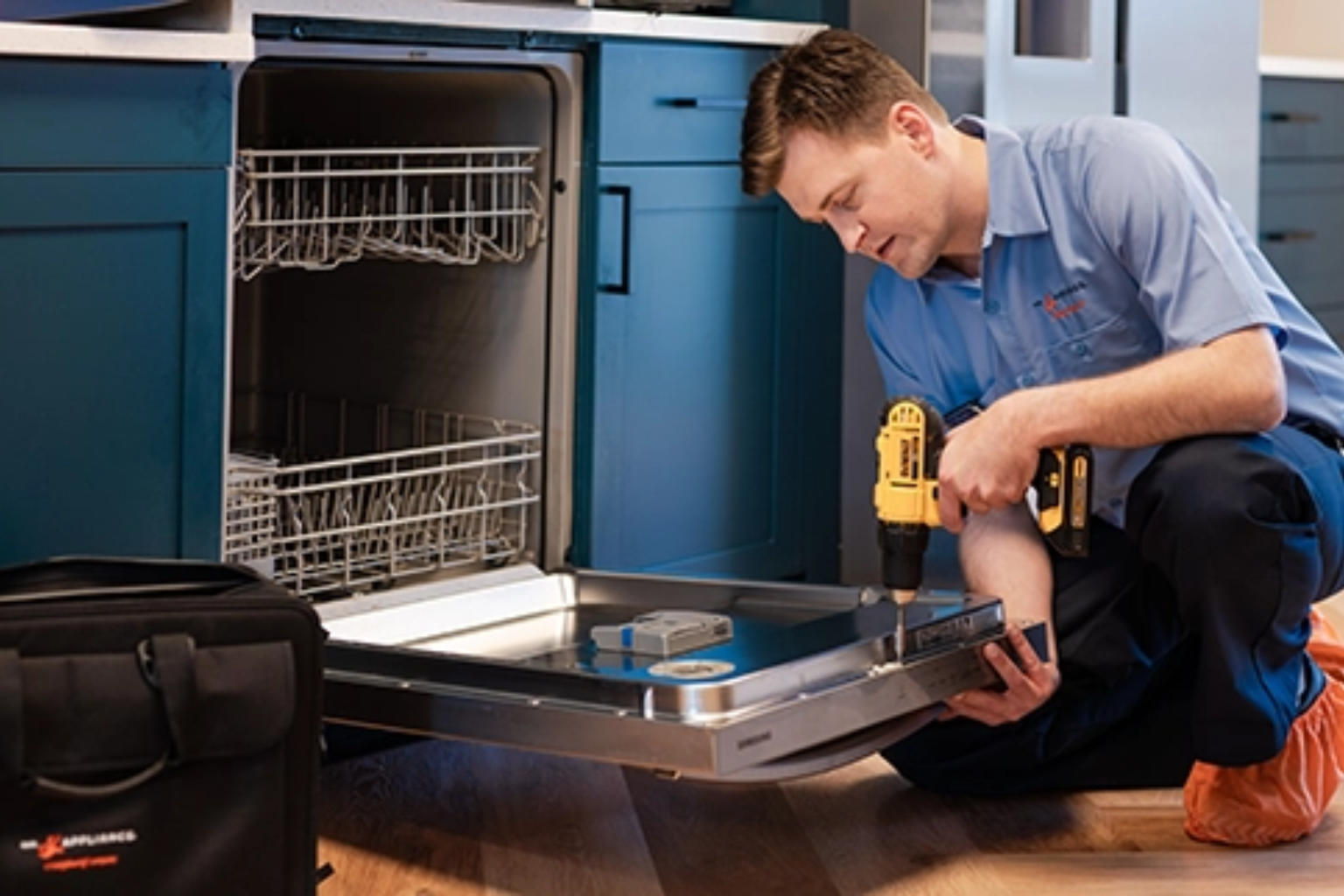
That said, know your limits. Modern appliances contain electrical components that aren’t DIY-friendly. If you’re dealing with wiring issues, gas connections, or sealed refrigeration systems, calling a professional is the safer choice.
There’s no shame in that. In fact, recognizing when to step back can prevent bigger damage — and bigger bills.
Repair vs. Replace: A Real Conversation
At some point, every homeowner faces the question: should I fix this or replace it?
The answer depends on age and cost. If the repair costs more than half the price of a new unit and the appliance is over a decade old, replacement might make sense. But if it’s a relatively new model and the issue is isolated, repair is usually the smarter financial move.
Energy efficiency is another factor. Newer appliances often consume less electricity and water. But replacing a machine prematurely isn’t exactly eco-friendly either. Extending the life of what you already own can be the more sustainable choice.
There’s no universal rule. It’s about balance.
Preventative Habits That Actually Work
If I had to boil everything down to a few habits, it would be these:
- Keep vents clear and filters clean.
- Don’t ignore unusual noises.
- Avoid overloading machines.
- Schedule periodic deep cleanings.
- Address small leaks immediately.
It’s amazing how many repairs stem from neglect rather than defect. Appliances are built to last — but only if we give them a fighting chance.
Choosing the Right Professional Help
When you do need a technician, don’t just choose the first name that pops up online. Look for clear pricing, verified reviews, and service warranties. Ask questions. A good repair professional won’t rush you.
And pay attention to communication. If someone can explain the problem clearly — in plain language — that’s a good sign. Transparency builds trust.
A Little Patience Goes a Long Way
Appliance problems feel urgent because they disrupt daily life. But most aren’t emergencies. Taking a calm, methodical approach often leads to better decisions.
I’ve learned that reacting emotionally — assuming the worst, replacing too quickly, panicking — rarely serves you well. A measured response saves money and stress.
Bringing Normalcy Back
There’s something oddly satisfying about hearing your dryer hum smoothly again. About seeing your refrigerator maintain a steady temperature. About watching your washer complete a cycle without drama.
It’s not exciting. It’s not Instagram-worthy. But it restores rhythm to your home.
Appliances aren’t just machines. They’re silent partners in daily life. And with a bit of attention, a few smart habits, and the right help when needed, they can keep working quietly in the background for years.
In the end, it’s not about becoming an expert. It’s about staying observant. A little awareness. A little care. And knowing that most problems, when addressed early, are more manageable than they first appear.