
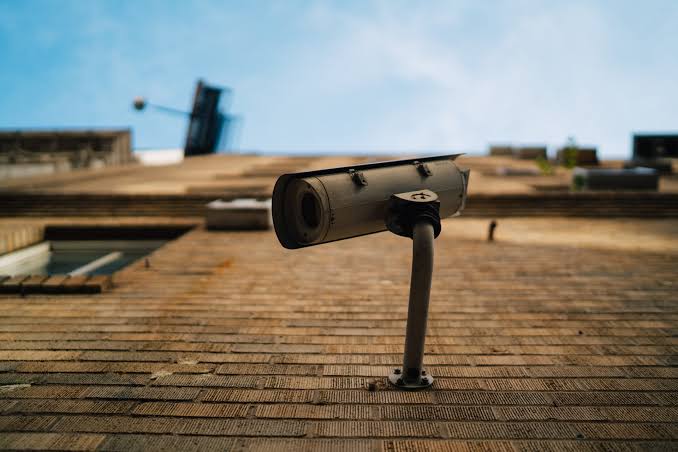
Selecting the right outdoor security camera requires careful evaluation of both environmental conditions and functional security needs. Unlike indoor units, outdoor surveillance equipment operates in unpredictable environments, facing constant exposure to weather, fluctuating light conditions, and potential physical tampering. Choosing a system with the right mix of durability, optical performance, and intelligent processing ensures long-term reliability and effective protection for any property.
Weather Resistance and Physical Durability
Outdoor security cameras must endure harsh elements, including extreme temperatures, rain, snow, and dust. The primary indicator of a camera’s physical protection is its Ingress Protection (IP) rating, a two-digit code that quantifies resistance to solids and liquids.
When evaluating cameras for exterior deployment, look for an IP rating of IP66 or higher. An IP66 rating indicates that the housing is completely dust-tight and capable of withstanding powerful water jets, making it suitable for heavy rainstorms. For environments exposed to severe weather or direct hose-down cleaning, IP67 or IP68 rated housings offer even greater protection.
Additionally, physical impact resistance is designated by an IK rating. An IK10 rating is the highest standard for vandal resistance, ensuring the camera enclosure can withstand significant physical impacts without compromising internal components or interrupting video recording.
Optical Quality and Resolution
Clear visual detail is critical when attempting to identify individuals, license plates, or specific incidents. While higher resolution generally delivers clearer images, it must be balanced with network bandwidth and storage availability.
Key optical capabilities to consider include:
- Resolution: A minimum of 1080p Full HD is standard, but 4K (8MP) resolution provides significantly more digital zoom clarity, allowing operators to zoom into specific areas of interest without severe pixelation.
- Field of View (FOV): A wide-angle lens (around 100° to 130°) covers broader outdoor spaces such as driveways or open yards, whereas narrower lenses are better suited for narrow hallways or targeted entryways.
- Dynamic Range: Outdoor environments often feature harsh contrast between bright sunlight and deep shadows. Cameras equipped with True Wide Dynamic Range (WDR), measured in decibels (dB), balance exposure across bright and dark regions within the same frame to maintain consistent detail.
Night Vision Capabilities
Because a significant portion of security incidents occur after dark, reliable night vision performance is indispensable for perimeter surveillance. Cameras rely on different technologies to capture footage in low-light or total darkness.
Standard infrared (IR) night vision uses built-in LED illuminators to produce clear black-and-white footage in complete darkness. For enhanced detail, many modern cameras incorporate ambient light sensors and large aperture lenses to capture full-color video in low-light conditions without needing intrusive spotlight illumination. When selecting infrared cameras, check the effective IR distance rating to ensure the illumination reach covers the entire target surveillance area.
Smart Motion Detection and AI Analytics
Legacy motion detection systems often generated high volumes of false alerts triggered by wind-blown tree branches, passing animals, or sudden shadows. Advanced outdoor surveillance cameras address this challenge through built-in edge analytics powered by artificial intelligence.
Intelligent analytics analyze video feeds in real time to categorize detected motion. By distinguishing human shapes and vehicles from background movement, these systems allow property owners to configure precise event rules. Integrating professionaloutdoor security camera installation ensures these smart analytics are properly calibrated to eliminate false notifications while maintaining immediate alerts for genuine security threats.
Connectivity, Power, and Storage Options
The architectural layout of a property determines the ideal power and networking infrastructure for outdoor cameras. Power over Ethernet (PoE) remains the preferred standard for commercial and high-end residential setups, delivering both data and electrical power through a single network cable. PoE setups eliminate the need for nearby electrical outlets and offer superior network stability compared to wireless connections.
For data storage, modern systems offer flexible architecture options. On-board storage via MicroSD cards provides localized redundancy in the event of network disruption, while Network Video Recorders (NVRs) or secure cloud storage platforms offer centralized management, extended recording history, and remote accessibility.
Selecting the optimal combination of weather protection, optical clarity, intelligent processing, and reliable connectivity ensures an outdoor surveillance system delivers clear, actionable footage when it matters most.


