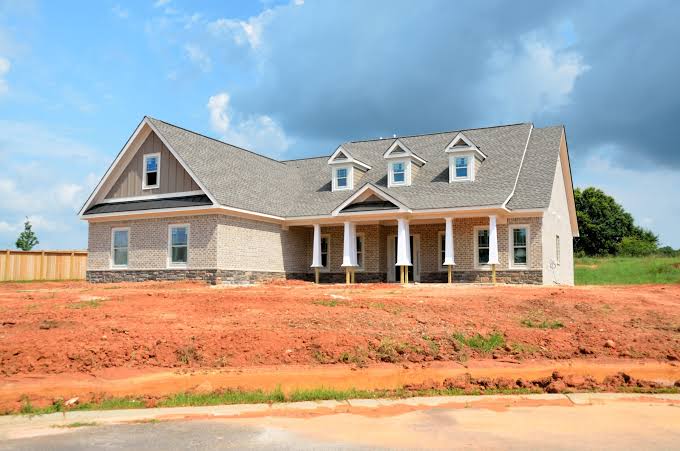
Buying a piece of land and planning a new home can be exciting, especially in East Texas, where larger lots and rural properties offer plenty of possibilities. But before a foundation is poured or framing begins, the property itself needs to be ready for construction.
Good site preparation is about more than clearing a few trees and leveling the ground. Drainage, access, utilities, septic requirements, soil conditions, and the future layout of the property can all affect how smoothly a project moves forward. Taking these factors into account early can help homeowners avoid unnecessary rework and create a better foundation for everything that follows.
Start With the Full Property Plan
One of the easiest mistakes to make is treating land clearing as an isolated task. A property may look like it simply needs brush, trees, or stumps removed, but clearing decisions should reflect how the finished site will eventually function.
Before heavy equipment arrives, identify the likely locations of major features such as:
- The house and foundation
- Driveways and parking areas
- Septic components
- Water and utility lines
- Workshops, barns, or detached garages
- Outdoor living areas
- Drainage paths
- Future additions or improvements
Planning these elements together can reduce conflicts later. For example, clearing an area for a driveway without considering septic placement could limit options for the wastewater system. Likewise, grading a building pad without accounting for natural drainage may create water-management problems after construction.
A little extra planning at the beginning often saves considerably more effort later.
Understand How Water Moves Across the Land
Drainage deserves particular attention in East Texas. Heavy rain can quickly reveal low spots, poorly placed slopes, and areas where water naturally collects.
The goal of grading is not necessarily to make an entire property perfectly flat. In many cases, maintaining appropriate slopes is essential because those slopes help direct runoff away from buildings and other important areas.
Before changing the terrain, observe where water currently travels. Existing drainage patterns can provide valuable information about how the property behaves during wet weather.
Site preparation may involve reshaping certain areas, establishing drainage paths, building up a home site, or addressing places where runoff could cause erosion. Contractors also need to consider neighboring properties and public drainage areas. Moving water away from one location should not simply create a problem somewhere else.
This is one reason experienced excavation work is so important. Moving dirt is relatively straightforward; moving it with a clear understanding of how the finished grade will function requires more planning.
Coordinate Septic and Excavation Work Early
Properties outside municipal sewer systems may require an on-site septic system, making wastewater planning a major part of the overall site layout.
The septic system cannot simply be placed wherever unused space remains after the house, driveway, and other improvements have been positioned. Soil characteristics, available area, property configuration, system type, permitting requirements, and site conditions can all influence an appropriate design.
That makes early coordination valuable.
Homeowners preparing property around Eustace and surrounding East Texas communities can review the excavation and septic services offered by Weaver Excavating in Eustace to get a clearer picture of how these different phases of property development can overlap.
Thinking about septic needs during the initial planning stage can also help protect suitable areas from unnecessary disturbance. Heavy traffic, grading, or construction in the wrong part of a property can complicate later site decisions.
Plan Access for Construction and Everyday Use
A driveway has two jobs during a new-home project. First, it needs to provide construction access. Later, it becomes the regular entrance for the people living on the property.
Those needs should be considered together.
Construction equipment, material deliveries, concrete trucks, and other large vehicles may need substantially more room than a passenger vehicle. Tight turns, soft ground, steep slopes, low branches, and narrow entrances can all create challenges.
A properly planned access route should consider the width and condition of the entrance, drainage around the driveway, the strength of the base, and how vehicles will reach the building site.
Temporary construction access may sometimes be appropriate, but homeowners should think carefully before spending money on work that will later have to be removed or rebuilt. Whenever practical, early access improvements should support the property’s long-term layout.
Clear Land Strategically Rather Than Completely
A clean slate can sound appealing, but completely stripping a property is not always necessary.
Mature trees can provide shade, privacy, wind protection, and visual character. Existing vegetation may also help stabilize certain parts of the property. Instead of clearing everything first and deciding what to do later, determine what genuinely needs to be removed.
Identify Priority Clearing Areas
The building footprint obviously needs sufficient working space, but contractors may also require room around it for equipment and materials. Driveways, utility routes, septic areas, and drainage improvements can create additional clearing requirements.
Trees that are damaged, poorly positioned, or likely to interfere with construction may need to be removed. Stumps and large roots can also require attention in areas that will support structures, roads, or other improvements.
Meanwhile, healthy vegetation farther from construction areas may be worth preserving.
Strategic clearing can give a property a finished, intentional appearance rather than making it unnecessarily bare.
Think About Utilities Before the Trenches Are Dug
Utilities are another reason to develop a complete site plan before excavation begins.
Electricity, water, communications infrastructure, and other services may need underground routes across the property. Planning these paths early can minimize repeated digging and prevent conflicts with driveways, septic components, structures, and landscaping.
Utility placement should also account for future plans. If a homeowner expects to add a workshop or other outbuilding several years later, considering that possibility during initial development may make the eventual expansion easier.
The same principle applies to sleeves or crossings beneath driveways. It is usually preferable to anticipate necessary routes before a finished driveway is installed rather than cutting through completed work afterward.
Sequence the Work Carefully
A well-organized project follows a logical order. Exact requirements vary from property to property, but the broad process often begins with understanding the site and ends with final grading after major construction activity is complete.
A typical sequence may involve evaluating the property, establishing a layout, clearing necessary vegetation, creating construction access, completing major excavation, coordinating utilities and septic work, preparing the building area, and addressing final drainage and grading.
Weather can influence this schedule. Excavation performed under excessively wet conditions may damage access areas or create additional soil-management challenges. Building some flexibility into the project timeline can therefore be useful.
Communication among the property owner, builder, excavation contractor, septic professionals, and utility providers is equally important. Each trade affects the work that comes before and after it.
Good Preparation Supports the Entire Project
Land preparation may not be the most visible part of building a new home, but it influences almost every stage that follows. A thoughtfully cleared and graded site gives builders better access, helps establish effective drainage, creates space for utilities and wastewater infrastructure, and reduces the likelihood that completed work will need to be disturbed later.
For East Texas property owners, the key is to think beyond the immediate task of moving dirt. Consider how the home, driveway, septic system, utilities, drainage, vegetation, and future improvements will work together as one property.
When those decisions are made early and the work is completed in a sensible sequence, raw land can become a construction-ready site without sacrificing the characteristics that made the property appealing in the first place.