


There’s a quiet shift that happens in most homes at some point. You stop taking water for granted.
Not because something dramatic happened — no sudden contamination scare or broken pipes — but because of small, lingering doubts. A strange aftertaste. A smell you can’t quite place. Or maybe just a growing awareness that “clear” doesn’t always mean “clean.”
It’s subtle, but it changes how you think.
Water goes from being a background detail to something you actually pay attention to. And once that switch flips, you start asking better questions.
The Hidden Layers in Everyday Water
Tap water, especially in urban areas, goes through treatment before reaching your home. That’s reassuring, in theory. But along the way — through pipes, storage systems, and aging infrastructure — it can pick up additional elements.
Some of these are harmless. Others… less so.
Many homeowners today are looking for ways to remove chlorine and heavy metals from their water. Not out of panic, but out of practicality. Chlorine, for example, is widely used to disinfect water, but it can leave behind a noticeable taste and smell. Heavy metals, even in trace amounts, raise concerns over long-term exposure.
It’s not about assuming the worst. It’s about improving what you already have.
When Water Feels Different, Even If It Looks Fine
One of the challenges with water quality is that it doesn’t always show obvious signs. You won’t necessarily see impurities floating in your glass. But you might feel them in other ways.
Taste is the first clue. Then smell. Sometimes even texture — the way water feels on your skin or how it interacts with soap.
In some regions, people also look for ways to reduce nitrates and fluoride in their water supply. These elements can naturally occur or enter water through agricultural runoff and other sources.
Again, it’s not about fear. It’s about control. Understanding what’s present and deciding how much of it you’re comfortable with.
The Experience of Drinking Water That Feels Right
There’s something deeply satisfying about drinking water that tastes clean. Not artificially enhanced, not masked with flavors — just naturally neutral and refreshing.
That’s the goal for many households seeking purified drinking water. It’s not just about safety; it’s about experience.
When your water tastes good, you drink more of it. You stop relying on bottled alternatives. You feel more at ease using it in cooking, making tea, or even just filling a glass without thinking twice.
It’s a small shift, but it ripples outward into daily habits.
More Than Just What You Drink
It’s easy to focus on drinking water, but water quality affects much more than that.
Think about your shower. The way your skin feels afterward. Or your kitchen — the taste of your food, the clarity of your soups, the texture of your rice.
Even your home appliances feel the impact. Mineral buildup can shorten their lifespan, while certain impurities can affect performance over time.
These aren’t dramatic changes. They’re gradual. But over months and years, they add up.
And when you improve your water, you start to notice the difference in places you didn’t expect.
Finding a Solution Without Overcomplicating It
One of the biggest barriers people face is the assumption that water treatment is complicated. That it requires technical knowledge, expensive systems, and ongoing maintenance.
But it doesn’t have to be that way.
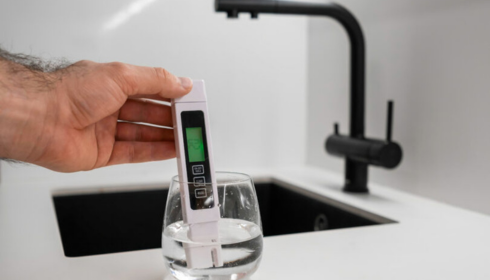
The first step is understanding your water. A basic test can reveal what’s present and what’s not. From there, you can decide what matters most to you.
Maybe it’s taste. Maybe it’s removing specific contaminants. Maybe it’s just peace of mind.
You don’t need to fix everything at once. Start with the biggest concern and build from there if needed.
The Balance Between Awareness and Simplicity
There’s an interesting balance when it comes to water.
On one hand, being aware of what’s in your water is empowering. It helps you make informed decisions and take control of your home environment.
On the other hand, you don’t want water to become something you constantly worry about.
The goal isn’t to overthink it. It’s to reach a point where you trust it again.
Where you turn on the tap and don’t hesitate.
Listening to What Your Water Is Telling You
Water doesn’t come with labels, but it does send signals.
A lingering taste. A faint odor. Residue on your glassware. These are all clues, even if they seem minor at first.
Paying attention to them doesn’t require expertise. Just a bit of curiosity.
And often, that curiosity leads to better choices.
Coming Back to Something That Feels Effortless
At the end of the day, water should feel simple.
You shouldn’t have to question it. You shouldn’t have to adjust your habits around it.
When your water is clean, balanced, and reliable, it fades into the background again — not because it’s unimportant, but because it’s doing its job perfectly.
And that’s really the goal.
Not perfection. Not complexity.
Just water that feels right, every single time you use it.