

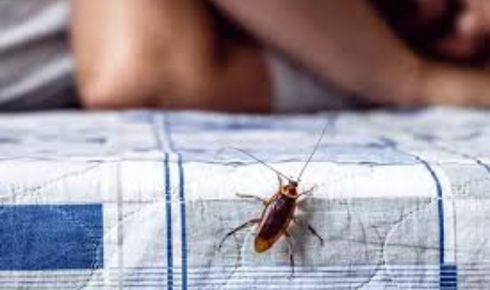

Cockroaches are one of the most resilient pests found in homes and commercial spaces. Their ability to survive in harsh conditions, stay hidden for long periods, and adapt quickly makes them particularly difficult to control. While many people associate cockroaches with unclean environments, the reality is more complex.
Understanding how cockroaches behave is key to preventing and managing infestations effectively.
Cockroaches Thrive in Hidden Environments
One of the main reasons cockroaches go unnoticed is their nocturnal nature. They are most active at night, which means infestations can grow significantly before any visible signs appear.
Common hiding spots include:
- Cracks and gaps behind walls or cabinets
- Under sinks and around plumbing areas
- Inside appliances like refrigerators and ovens
- Dark storage areas, basements, and crawl spaces
Because they prefer tight, sheltered spaces, even a well-maintained property can unknowingly provide ideal conditions.
Water Is More Important Than Food
Many assume that food waste is the primary reason cockroaches invade a space. While food does attract them, water is often the bigger factor. Cockroaches cannot survive long without moisture, which is why they are frequently found near leaks, condensation, or damp areas.
This explains why kitchens, bathrooms, and laundry areas are common hotspots. Even minor plumbing issues can support a growing infestation if left unaddressed.
Why Cockroach Infestations Spread Quickly
Cockroaches reproduce rapidly. A single female can produce multiple egg cases, each containing dozens of offspring. Combined with their ability to hide and avoid detection, this leads to fast population growth.
In addition:
- They can squeeze through extremely small openings
- They adapt to environmental changes quickly
- Some species develop resistance to common treatments
This combination makes early detection and intervention critical.
The Health Risks Often Overlooked
Cockroaches are more than just an unpleasant sight. They can carry bacteria and allergens that impact indoor environments.
Potential risks include:
- Contamination of food and surfaces
- Triggering allergies and asthma, especially in children
- Spreading bacteria through contact with surfaces
Because they move through drains, waste areas, and living spaces, they can transfer contaminants without being seen.
Why Surface Cleaning Alone Isn’t Enough
Keeping a space clean is important, but it doesn’t always solve the problem. Cockroaches can survive on minimal resources and often remain hidden deep within structures.
Effective control requires addressing:
- Entry points such as cracks and gaps
- Moisture sources like leaks or humidity
- Nesting areas that are not immediately visible
Without tackling these underlying factors, infestations can persist even after temporary improvements.
The Importance of a Structured Approach
Cockroach control typically involves more than a single treatment. It requires a structured approach that includes inspection, targeted action, and ongoing monitoring.
Professionals often focus on:
- Identifying the specific species involved
- Locating nesting and breeding areas
- Applying targeted treatments where activity is highest
- Monitoring results to ensure long-term effectiveness
For a deeper understanding of how these methods are applied in real-world situations, this resource on Cockroach Exterminator provides additional insight into managing infestations effectively.
Final Thoughts
Cockroaches are highly adaptable pests that can survive in a wide range of conditions, which is why they remain a common issue in both residential and commercial spaces. Managing them requires more than quick fixes — it involves understanding their behavior, removing what attracts them, and addressing hidden risks.
With the right knowledge and approach, it becomes much easier to prevent infestations from taking hold and to maintain a healthier indoor environment over time.