Category: home improvement

  • The Architectural Toll of Microclimates on Southern California Roofs

    The Architectural Toll of Microclimates on Southern California Roofs

    Southern California is famous for its Mediterranean climate, characterized by abundant sunshine, mild winters, and dry summers. To the casual observer, this environment seems ideal for preserving the exterior of a residential property. However, homeowners living tucked against the base of the San Gabriel Mountains understand a different reality. The unique topography of the region creates distinct microclimates that subject residential structures to intense, localized environmental stress.

    Unlike coastal areas that benefit from steady marine layers, inland valley communities experience dramatic temperature swings, high wind events, and intense UV exposure. These localized weather patterns alter the lifespan of traditional building materials. Understanding how these specific environmental forces interact with your home’s exterior is essential for maintaining long-term structural integrity and avoiding premature failure.

    The Destructive Force of Thermal Shock

    One of the most significant yet invisible threats to regional roofing systems is thermal shock. In the inland valleys, a typical summer day can easily see ambient temperatures climb into the mid-to-high 90s. On a roof covered in dark asphalt shingles or concrete tiles, the surface temperature can quickly soar to over 150°C (302°F).

    As the afternoon fading sun gives way to cool evening air rolling down from the nearby mountains, the temperature of these roofing materials plummets rapidly. This extreme, rapid fluctuation causes materials to expand and contract violently within a short window of time.

    Over the years, this constant movement takes a heavy toll. The physical bonds holding roofing materials together begin to fatigue. In asphalt shingles, thermal shock causes the protective surface granules to loosen and shed, exposing the volatile asphalt underneath to direct sunlight. In concrete and clay tile systems, the constant expansion cracks the underlying mortar beds and shifts the tiles out of alignment, creating tiny gaps where water can penetrate during the winter rainy season.

    Navigating the Seasonal Strain of the Santa Anas

    While summer heat weakens the structural components of a roof, the autumn brings a different kind of environmental hazard: the Santa Ana winds. These dry, high-velocity winds originate inland, compress as they push through mountain passes, and sweep across valley communities with immense force.

    The danger these winds pose to a roof extends far beyond the obvious risk of a fallen tree limb. The primary threat comes from wind uplift. As powerful gusts sweep across the slope of a roof, they create zones of low pressure directly above the surface, effectively suctioning materials upward.

    If the sealants holding your shingles or tiles together have already been degraded by summer thermal shock, the Santa Ana winds will easily break what remains of the bond. Once the wind lifts a shingle, it exposes the vulnerable underlayment beneath. Even if the shingle drops back down into place after the wind dies down, the protective seal is permanently broken. When the winter rainstorms inevitably arrive a few months later, water is easily driven underneath the unsealed shingles, bypassing the roof’s primary defense system and causing hidden rot in the wooden decking below.

    Managing the Unique Shade and Moisture Dynamic

    Living near mountain foothills also introduces a unique vegetation dynamic. Mature oak trees, jacarandas, and pines provide beautiful canopies and welcome shade, but they also create microclimates of localized moisture on a roof.

    When overhanging branches drop leaves, pine needles, and organic debris into roof valleys and behind chimneys, they create natural dams. During the brief but intense winter rainstorms, these debris dams trap moisture against the roof surface. Because these areas are often shaded from the sun for most of the day, the trapped moisture takes a long time to evaporate.

    This prolonged wetness is a primary catalyst for the growth of moss, algae, and lichen. These organisms are not merely cosmetic issues; they secrete organic acids that actively eat through the limestone filler used in asphalt shingles and degrade the integrity of tile underlayment. Furthermore, roots from moss can physically lift the edges of shingles, making them even more susceptible to wind uplift during the next wind event.

    Choosing Resilient Materials for Local Conditions

    Given these intense, localized environmental challenges, homeowners cannot rely on generic roofing advice designed for other parts of the country. Protecting a home in this region requires a strategic approach to material selection and installation techniques that specifically address heat, wind, and rapid temperature shifts.

    For instance, homeowners opting for asphalt shingles should prioritize materials with high wind resistance ratings and advanced polymer-modified asphalt, which offers superior flexibility to withstand thermal shock without cracking. Reflective “cool roof” technology is also highly beneficial; these specially engineered shingles reflect solar energy away from the home, keeping surface temperatures significantly lower during peak summer afternoons and reducing the severity of thermal expansion.

    For those with concrete or clay tile roofs, which are highly favored for their architectural beauty and fire resistance, the focus must be on the quality of the underlying waterproofing membrane. Since tiles are designed to shed water but are not entirely waterproof, the underlayment does the heavy lifting. Utilizing a heavy-duty, synthetic self-adhering underlayment ensures that even if thermal shock shifts a tile or creates a minor crack, the home remains entirely protected from water intrusion.

    The Importance of Localized Expertise

    Because the environmental stressors vary so significantly from one valley neighborhood to the next, generic assessments often miss localized vulnerabilities. Safeguarding a home requires a proactive maintenance schedule handled by professionals who understand how the local geography affects different architectural styles.

    Regular inspections should be scheduled twice a year: once in the late spring to check for heat-related degradation before summer peaks, and once in the late autumn to clear debris and check for wind damage following the Santa Ana season. For residents seeking tailored solutions to these specific geographic challenges, consulting with a specialized team like Overhead Roofing Pasadena can provide the precise, targeted maintenance strategies needed to extend the lifespan of your roof. By treating your roof as a dynamic system that interacts constantly with the local microclimate, you can prevent minor environmental wear from turning into catastrophic structural failures.


    Find us here:

  • Enhance Your Outdoor Space With A 3-Seater Sofa Featuring Faux Wood Grain

    Enhance Your Outdoor Space With A 3-Seater Sofa Featuring Faux Wood Grain

    A Stylish Outdoor Sofa Can Redefine Your Patio Space

    Outdoor furniture plays a central role in shaping how a patio looks and feels. A well-designed sofa creates a focal point that brings together comfort and visual appeal. The 3-seater patio outdoor sofa faux wood grain design offers a balanced combination of style and functionality. Its natural wood-like appearance blends seamlessly with outdoor environments such as gardens, decks, and courtyards. Unlike traditional wooden furniture, this sofa maintains a refined look without requiring intensive care. A thoughtfully selected outdoor sofa transforms an empty patio into a welcoming relaxation area where family and friends can gather comfortably.

    Faux Wood Grain Brings Natural Beauty Without Maintenance Burden

    Natural wood has long been admired for its warm texture and organic appearance. However, real wood requires ongoing maintenance to prevent fading, cracking, or decay. A 3-seater patio outdoor sofa faux wood grain design replicates the visual appeal of real wood while eliminating its weaknesses. The detailed surface finish mimics natural grain patterns, creating a realistic and elegant look. This design works well with greenery, stone surfaces, and outdoor décor elements. Faux wood grain finishes maintain their appearance over time without requiring staining or sealing. This makes them ideal for homeowners seeking both beauty and convenience in outdoor furniture.

    Durable Materials Ensure Long-Term Outdoor Performance

    Outdoor environments expose furniture to sunlight, rain, and temperature changes. Materials must withstand these conditions without deteriorating. A 3-seater patio outdoor sofa faux wood grain structure uses high-quality components designed for durability. UV-resistant surfaces prevent fading caused by prolonged sun exposure. Water-resistant materials reduce the risk of swelling or damage from rain. Unlike natural wood, faux wood grain materials resist cracking and warping. Strong construction ensures the sofa remains stable during daily use. Durable materials extend product lifespan, making the sofa a practical investment for long-term outdoor living.

    Comfortable Seating Enhances Everyday Outdoor Living

    Comfort remains one of the most important aspects of outdoor furniture. A well-designed sofa should provide support for both short breaks and extended relaxation. The 3-seater patio outdoor sofa faux wood grain model features spacious seating that accommodates multiple users. Thick cushions provide softness while maintaining structure. Breathable fabric helps regulate temperature during warm weather. This prevents discomfort caused by heat buildup. Supportive backrests encourage relaxed posture. Comfortable seating encourages more frequent use of outdoor spaces. A patio becomes more inviting when furniture supports daily comfort without compromise.

    Strong Structure Provides Stability In Outdoor Conditions

    Outdoor sofas must remain stable despite environmental factors such as wind or uneven surfaces. A solid frame ensures safety and durability. The 3-seater patio outdoor sofa faux wood grain design combines metal support with reinforced panels. This structure distributes weight evenly across the frame. Stability improves user confidence during use. The sofa remains secure even when multiple people sit or move. Reliable construction reduces wear caused by daily use. Strong structural design supports long-term performance in outdoor environments where stability is essential.

    Easy Maintenance Saves Time And Effort

    Outdoor furniture should simplify life rather than create additional work. Easy maintenance allows homeowners to enjoy their patio without constant upkeep. The 3-seater patio outdoor sofa faux wood grain surface resists dirt and moisture. Cleaning requires only a simple wipe with a damp cloth. Cushions feature removable covers for convenient washing. This helps maintain hygiene and appearance over time. Protective covers can further extend the lifespan of the sofa. Low-maintenance furniture reduces effort while preserving visual appeal. This practicality makes it suitable for busy households.

    Key Features Of A Faux Wood Grain Outdoor Sofa

    • Realistic wood grain texture for natural aesthetics
    • UV-resistant and water-resistant materials
    • Thick cushions with breathable fabric
    • Strong metal frame for enhanced stability
    • Removable cushion covers for easy cleaning

    These features combine to create a sofa that balances durability, comfort, and visual appeal. Each element contributes to improved outdoor usability.

    After reviewing these features, it becomes clear how design details influence performance. A sofa that integrates durability with comfort ensures long-term satisfaction. Outdoor living becomes more enjoyable when furniture meets both functional and aesthetic needs.

    Practical Benefits For Outdoor Living

    • Suitable for daily relaxation and social gatherings
    • Resistant to weather-related damage
    • Easy to clean and maintain
    • Compatible with various outdoor décor styles
    • Provides spacious seating for multiple users

    These benefits highlight the versatility of the sofa. It supports a wide range of outdoor activities without requiring frequent adjustments or maintenance.

    Homeowners seeking a reliable seating solution can explore this 3-seater patio outdoor sofa faux wood grain, which combines durability and modern design. Access to specialized outdoor collections helps simplify selection and ensures compatibility with different patio styles.

    Versatile Design Fits All Seasons And Settings

    Outdoor furniture should perform well across different seasons. The 3-seater patio outdoor sofa faux wood grain design adapts to both warm and cool weather conditions. Breathable cushions provide comfort during summer. Layering with blankets supports use in cooler months. The neutral wood-like finish complements seasonal décor changes. This versatility allows the sofa to remain relevant throughout the year. Outdoor spaces feel complete when furniture adapts to changing conditions without losing comfort or style.

    Space Efficiency Meets Functional Comfort

    Backyards and patios vary in size. Furniture must provide adequate seating without overcrowding the area. The 3-seater patio outdoor sofa faux wood grain model offers generous seating while maintaining a compact footprint. This balance improves movement around the patio. Space efficiency enhances usability. A well-proportioned sofa supports both comfort and functionality. Outdoor spaces feel more organized when furniture fits naturally within the layout. Efficient design ensures the patio remains open and inviting.

    Long-Term Value Through Smart Material Choices

    Outdoor furniture represents a long-term investment. Choosing durable and low-maintenance materials improves overall value. The 3-seater patio outdoor sofa faux wood grain design reduces the need for frequent replacement. Resistant materials maintain appearance over time. Comfortable seating supports daily use. Together, these factors contribute to long-term satisfaction. Investing in reliable outdoor furniture enhances both lifestyle and property value. A well-chosen sofa becomes a lasting part of the outdoor environment.

    Frequently Asked QuestionsIs

    A Faux Wood Grain Outdoor Sofa As Durable As Real Wood?

    A faux wood grain outdoor sofa is often more durable than natural wood in outdoor environments. Real wood can absorb moisture, leading to swelling, cracking, or decay over time. In contrast, a 3-seater patio outdoor sofa faux wood grain design uses materials that resist water and UV exposure. These materials maintain structural stability and visual appearance under changing weather conditions. Maintenance requirements are also lower compared to natural wood. This makes faux wood grain furniture a practical choice for homeowners seeking durability without constant upkeep.

    How Comfortable Is A 3-Seater Patio Outdoor Sofa For Daily Use?

    A 3-seater patio outdoor sofa provides ample space and comfort for daily use. Thick cushions support extended seating while maintaining shape. Breathable fabrics help regulate temperature during warm weather. The design allows multiple users to sit comfortably without feeling crowded. Supportive backrests improve posture during relaxation. The combination of spacious seating and quality materials ensures consistent comfort. This makes the sofa suitable for both casual use and social gatherings in outdoor spaces.

    What Is The Best Way To Maintain A Faux Wood Grain Outdoor Sofa?

    Maintaining a faux wood grain outdoor sofa is simple and efficient. Regular cleaning with a damp cloth helps remove dust and dirt from the surface. Cushion covers can be removed and washed when needed. Storing cushions during extreme weather conditions can extend their lifespan. The 3-seater patio outdoor sofa faux wood grain design resists moisture and stains, reducing maintenance effort. Using protective covers when the sofa is not in use can further preserve its condition. Proper care ensures long-lasting performance and appearance.

  • Why Rubbish Removal Is Essential For Maintaining Clean, Safe, And Functional Spaces

    Why Rubbish Removal Is Essential For Maintaining Clean, Safe, And Functional Spaces

    Clutter has a quiet way of taking over spaces, slowly turning organised areas into crowded and inefficient environments. Whether it is household waste, office debris, or leftover materials from a renovation, unmanaged waste can disrupt both comfort and productivity. This is where professional rubbish removal becomes a vital service, helping restore order and create spaces that feel clean, open, and easy to manage.

    A well-maintained environment is not just about appearance. It directly impacts how people live, work, and interact within a space. Efficient rubbish removal ensures that this environment remains functional and stress-free.

    How Waste Accumulates In Everyday Life

    Waste is an inevitable part of daily living. From packaging and broken items to outdated furniture and general clutter, rubbish tends to build up over time.

    Often, this accumulation happens gradually, making it easy to overlook until it becomes overwhelming. As waste increases, it begins to occupy valuable space and interfere with daily routines.

    Rubbish removal services provide a structured and efficient way to address this buildup, ensuring that spaces remain organised and usable.

    Creating A Healthier Living And Working Environment

    Unmanaged waste can contribute to poor hygiene and reduced air quality. Dust, allergens, and bacteria can thrive in cluttered environments, affecting overall health.

    Professional rubbish removal ensures that waste is disposed of properly, reducing these risks. Clean spaces promote better air circulation and create a healthier environment for occupants.

    This is particularly important in homes, offices, and shared spaces where cleanliness plays a crucial role in wellbeing.

    Improving Safety By Eliminating Hazards

    Clutter is not just inconvenient; it can also be dangerous. Items left lying around can create tripping hazards and obstruct pathways.

    In workplaces and construction sites, these risks are even more significant. Debris and waste materials can lead to accidents if not removed promptly.

    Regular rubbish removal helps maintain safe and accessible spaces, reducing the likelihood of injuries and ensuring smoother movement.

    Saving Time And Effort With Professional Services

    Handling rubbish independently can be time-consuming and physically demanding. Sorting, lifting, and transporting waste requires effort and proper equipment.

    Professional rubbish removal services take care of the entire process, allowing individuals and businesses to focus on more important tasks. This convenience is especially valuable during large clean-ups or busy periods.

    With experts managing the process, waste removal becomes faster, easier, and more efficient.

    Environmentally Responsible Waste Disposal

    Modern rubbish removal services are increasingly focused on sustainability. They aim to minimise environmental impact by recycling and reusing materials wherever possible.

    By separating recyclable items and ensuring proper disposal, these services reduce the amount of waste sent to landfills. This approach supports environmental conservation and responsible waste management.

    Choosing professional rubbish removal ensures that waste is handled in an eco-friendly manner.

    Handling A Wide Range Of Waste Types

    Different types of waste require different handling methods. Household rubbish, garden waste, construction debris, and bulky items all need to be managed appropriately.

    Professional services are equipped to handle a variety of waste types safely and efficiently. This ensures that each category is disposed of correctly and in compliance with regulations.

    Their expertise simplifies the process, regardless of the type or volume of waste.

    Enhancing Property Appearance And Value

    A clutter-free space is more visually appealing and easier to maintain. Whether it is a home, office, or commercial property, removing rubbish improves its overall appearance.

    This is especially important when preparing a property for sale or lease. A clean and organised environment creates a positive impression and can increase perceived value.

    Rubbish removal helps present properties in their best possible condition.

    Supporting Renovations And Major Clean-Ups

    Renovation projects and large clean-ups often generate significant amounts of waste. Managing this waste effectively is essential to keep projects on track.

    Rubbish removal services ensure that debris and unwanted items are cleared quickly, maintaining a clean and functional workspace. This support reduces delays and simplifies the process.

    The Importance Of Professional Expertise

    Rubbish removal involves more than simply collecting waste. It requires proper handling, transportation, and disposal in accordance with local regulations.

    Professionals have the knowledge and equipment to manage these tasks safely and efficiently. Their expertise ensures that waste is handled responsibly and without complications.

    Conclusion: A Cleaner Space For Better Living And Working

    Rubbish removal is an essential service that supports cleanliness, safety, and efficiency in any environment. By removing unwanted waste, it transforms spaces into areas that are easier to use and more enjoyable to live or work in.

    Investing in professional rubbish removal ensures that waste is managed effectively and responsibly. In the end, a clean space is not just about appearance; it is about creating an environment where everything functions better and feels more comfortable.

  • Masterclass in Maintaining Residential Ventilation Integrity

    Masterclass in Maintaining Residential Ventilation Integrity

    When we contemplate the sanctuary of our homes, we often focus on the tangible: the comfort of the furniture, the warmth of the lighting, or the security of the locks on our doors. Yet, the most vital element of our living environment is entirely invisible. Every day, the average adult inhales approximately 3,000 gallons of air. In a modern residential setting, the vast majority of that air is processed, conditioned, and circulated through a complex labyrinth of metal or flexible tubing hidden behind your drywall and under your floorboards.

    The integrity of this hidden network, your ductwork, is the primary determinant of your home’s environmental health. Over time, these passages transition from sterile conduits into active reservoirs for the world’s microscopic debris. To maintain a truly healthy home, one must look beyond the surface level and address the respiratory system of the architecture itself.

    The Evolution of Indoor Contamination

    In decades past, homes were “leaky,” meaning air exchanged naturally through gaps in windows, doors, and foundations. While this was energy-inefficient, it provided constant ventilation. Modern construction, however, is designed to be airtight to conserve energy. This “tight envelope” strategy is excellent for your utility bill, but it creates a closed-loop system where pollutants are trapped.

    Without regular intervention, your HVAC system becomes a closed circuit for allergens. Every time the furnace or air conditioner engages, it pulls in air from the living space, along with skin cells, pet hair, textile fibers, and outdoor pollutants tracked in on shoes. While filters catch the larger particles, the ultra-fine dust, often referred to as “silt,” eventually accumulates on the interior ribs of the ducts. This buildup isn’t just an aesthetic concern; it serves as a nutrient base for biological growth, especially if the system experiences any level of humidity.

    Mechanical Efficiency and the Friction of Debris

    Beyond the health implications, there is a profound mechanical argument for maintaining pristine ventilation paths. HVAC systems are engineered to operate within specific static pressure parameters. When the interior walls of a duct become lined with even a quarter-inch of dust, the smooth airflow is disrupted. This creates turbulence and friction, forcing the blower motor to work harder to push the same volume of air.

    This increased workload manifests in two ways: higher energy consumption and accelerated mechanical wear. A restricted system runs longer cycles to achieve the temperature set on the thermostat. This puts unnecessary stress on the heat exchanger and the compressor, the two most expensive components of your climate control system. By ensuring the pathways are clear, you are effectively reducing the “drag” on your system, allowing it to operate with the fluid efficiency intended by its engineers.

    Identifying the Red Flags of Atmospheric Degradation

    How does a homeowner determine the state of their invisible infrastructure? Since the majority of the system is inaccessible, we must rely on environmental indicators. One of the most prominent signs is uneven temperature distribution throughout the home. If one bedroom remains stubbornly warm while the rest of the house is cool, it often indicates a blockage or a significant buildup of debris within the branch lines of that specific room.

    Another telltale sign is the appearance of the registers themselves. If you remove a vent cover and see a “carpet” of dust clinging to the internal metal, it is a certainty that the rest of the system is in a similar or worse state. Furthermore, if you notice a persistent “dusty” smell when the heat first kicks on in the autumn, you are smelling the incineration of accumulated organic matter on the heating elements, a clear signal that the system’s hygiene has been compromised.

    The Science of Professional Remediation

    True restoration of an air duct system is a sophisticated engineering task that requires more than a simple vacuum. The industry standard for high-quality results is the “push-pull” method, a process that utilizes simultaneous high-pressure agitation and high-volume vacuum extraction.

    A professional technician will seal the entire system to create a vacuum, often using a truck-mounted extraction unit that can move thousands of cubic feet of air per minute. While the system is under this intense negative pressure, specialized pneumatic tools are sent through each duct run. These tools, such as “skipper balls” or “power brushes,” vibrate and blast the interior surfaces, dislodging the fine silt and heavy debris that have bonded to the duct walls. Because of the negative pressure, this material is instantly whisked away into a sealed containment unit outside the home, ensuring that none of the contaminants are released into your breathing zone during the process.

    The Critical Role of the Evaporator Coil

    A discussion about duct hygiene is incomplete without mentioning the evaporator coil. Located inside your air handler or furnace, this coil is responsible for removing heat from your indoor air. Because the coil is often damp with condensation during the cooling season, it acts as a magnet for any dust that bypasses your filter.

    When dust coats these fins, it forms a “mat” that prevents the air from coming into contact with the cold metal. This can lead to the coil freezing over, which can cause water damage to your home and potential failure of the compressor. A professional cleaning should always encompass the coil and the blower motor, as these are the “lungs” that drive the entire system. Without cleaning these components, the ductwork will be re-contaminated almost immediately.

    Longevity Through Proactive Maintenance

    Once your system has been professionally restored to its baseline state, the goal is to extend that cleanliness for as long as possible. The single most effective tool at a homeowner’s disposal is the high-quality pleated filter. While inexpensive fiberglass filters protect the equipment from large “dust bunnies,” they do very little to protect your lungs or the cleanliness of the ducts. Investing in a filter with a higher MERV (Minimum Efficiency Reporting Value) rating can significantly reduce the rate of re-accumulation.

    Furthermore, consider the impact of home lifestyle choices. Minimizing the use of aerosol sprays, ensuring the clothes dryer is properly vented to the exterior, and maintaining a regular vacuuming schedule with a HEPA-filtered vacuum will all contribute to a cleaner internal atmosphere. If you are planning any home renovations, ensure the HVAC system is turned off, and the registers are sealed during the “dusty” phases of construction to prevent drywall dust from being sucked into the returns.

    Choosing the Right Path Forward

    Your home is likely your most significant financial investment, and the HVAC system is one of its most critical mechanical assets. Neglecting the pathways through which your family breathes is a risk to both health and property value. When you decide to address these hidden concerns, it is essential to partner with professionals who understand the nuances of airflow dynamics and microbial control.

    For those seeking to restore their home to its peak environmental performance, the expertise provided by Go Air Ducts ensures that your ventilation system is treated with the precision it deserves. By taking a proactive stance on air duct hygiene, you aren’t just cleaning a pipe; you are ensuring that every breath taken within your walls is as fresh and safe as possible. The transition from a contaminated environment to a purified one is often felt immediately, in the clarity of the air, the reduction in allergy symptoms, and the quiet efficiency of a system finally allowed to breathe.

  • The Growing Demand and Versatility of Wood Products in Modern Living

    The Growing Demand and Versatility of Wood Products in Modern Living

    Wood has always been one of the most essential natural resources used by humans. From ancient times to modern lifestyles, its importance has remained constant. Today, wood products play a major role in construction, furniture, décor, and even eco-friendly innovations. With increasing awareness about sustainability, people are now choosing wood over synthetic materials for its durability, natural beauty, and environmental benefits.

    One of the main reasons behind the popularity of wood is its versatility. It can be easily shaped, carved, and customized according to different needs. Whether it’s for building homes, crafting decorative items, or designing office interiors, wood fits perfectly into every requirement. Unlike plastic or metal, wood offers a warm and natural appearance that enhances the overall aesthetics of any space.

    Another significant advantage of using wood is its durability. High-quality timber can last for decades if maintained properly. This makes it a cost-effective option in the long run. For example, hardwoods like teak, oak, and mahogany are widely used because of their strength and resistance to wear and tear. These materials are commonly used in wooden furniture, which not only looks elegant but also provides long-lasting performance.

    Sustainability is another factor that makes wood a preferred choice. When sourced responsibly, wood is a renewable resource that has a lower carbon footprint compared to other materials. Many industries are now focusing on eco-friendly practices, such as using reclaimed wood or certified timber. This not only helps in reducing environmental impact but also promotes responsible forestry.

    In addition to furniture and construction, wood is widely used in flooring, packaging, and even in the production of paper. Wooden flooring, for instance, adds a premium look to homes and commercial spaces. It is easy to clean, durable, and available in various finishes and styles. Similarly, wooden packaging is gaining popularity due to its strength and biodegradability, making it a safer alternative to plastic packaging.

    The demand for customized wood items is also increasing rapidly. People now prefer personalized designs that match their taste and lifestyle. From handcrafted tables to designer shelves, the options are endless. Skilled artisans and modern machinery together are creating unique wood products that combine traditional craftsmanship with contemporary designs.

    Maintenance of wood products is relatively simple if done correctly. Regular polishing, cleaning, and protection from moisture can significantly extend their lifespan. Using proper finishes and coatings also helps in preserving the natural texture and color of wood. This ensures that the products continue to look attractive for years.

    Moreover, technological advancements have further expanded the scope of wood usage. Engineered wood products like plywood, MDF, and laminated boards are now widely used in interior design and construction. These materials are cost-effective, easy to install, and offer consistent quality. They also reduce the dependency on solid wood, making them a more sustainable option.

    In conclusion, wood products continue to be an integral part of modern living due to their versatility, durability, and eco-friendly nature. As people become more conscious about sustainability and aesthetics, the demand for wood-based solutions is expected to grow even further. Whether it’s for building, decorating, or innovating, wood remains a timeless and valuable resource that perfectly blends functionality with natural beauty.

  • Common Materials Used by Professional Hardscapers

    Common Materials Used by Professional Hardscapers

    The strength, appearance, and lifespan of patios, walkways, and retaining walls often depend on the materials placed beneath and around them. Professionals involved in hardscaping near me projects select materials carefully so outdoor structures remain stable through weather, foot traffic, and long-term exposure to the elements.

    Concrete Blocks Used for Strong Retaining Walls

    Retaining walls often support soil that would otherwise shift downhill after heavy rain or landscaping changes. Concrete blocks provide the strength needed to hold back that pressure while maintaining a uniform shape. These blocks are manufactured to lock together, allowing walls to remain stable even when supporting heavy soil loads. Engineered retaining wall blocks also allow builders to create curved or stepped walls that follow the natural slope of the yard. Hardscape contractors near me frequently rely on these materials because they provide both structural support and a clean visual finish. In areas like hardscape contractors Huntsville AL projects, retaining wall blocks often help stabilize hillsides while creating usable outdoor space.

    Crushed Stone Used As a Stable Base Under Patios

    Patios require a solid foundation beneath their visible surface. Crushed stone forms a compact layer that helps distribute weight evenly across the patio area. Without this base, pavers or slabs may shift over time as soil settles or moisture changes the ground beneath. Professional hardscapers near me install several inches of crushed stone before placing pavers or stone surfaces. The material compacts tightly while still allowing small amounts of water to pass through, which helps prevent pooling under the patio. This balance of strength and drainage makes crushed stone one of the most widely used materials in hardscaping near me projects.

    River Rock Added for Natural Drainage Areas

    River rock often appears in landscape beds and drainage areas where water must move away from structures. The smooth stones create small gaps between each rock, allowing water to pass through easily while preventing soil erosion. These areas often appear near downspouts, garden beds, or along the edges of patios. Landscape designers working with hardscape companies near me use river rock to guide water away from foundations and outdoor features. The rounded appearance also blends naturally with plants and trees, making drainage solutions look intentional rather than purely functional.

    Sand Bedding Placed Under Pavers for Leveling

    Paver patios and walkways depend on a precise leveling layer to keep the surface flat and stable. Sand bedding fills small gaps between the crushed stone base and the paver surface. This thin layer allows installers to adjust each paver slightly until the entire surface sits evenly. Installers working on hardscape contractors near me projects spread sand across the base before laying pavers. The sand helps distribute weight and supports minor adjustments during installation. Over time, sand between pavers also helps lock them in place as joint sand fills the gaps.

    Pressure Treated Timber for Garden Borders

    Wood elements sometimes appear in hardscape designs, particularly when defining garden edges or raised planting beds. Pressure treated timber resists moisture damage and insect activity, making it suitable for outdoor conditions. Garden borders built with treated lumber help separate planting areas from lawns, pathways, or patios. Hardscapers near me often install these borders to create structure within landscape designs. The wood provides a natural appearance while still offering durability for long-term outdoor use.

    Clay Brick Used in Classic Walkway Designs

    Brick walkways remain a popular choice for traditional landscape designs. Clay bricks provide warm color tones and a familiar pattern that complements both modern and historic homes. These bricks are fired at high temperatures, which makes them strong enough to handle foot traffic for many years. Builders working with hardscape companies near me often install brick pathways in patterns such as running bond or herringbone. These layouts increase stability while creating visual interest. Brick surfaces also allow easy repairs since individual bricks can be replaced if damage occurs.

    Landscape Fabric Placed Beneath Stone Layers

    Stone pathways and decorative gravel beds require protection from weed growth. Landscape fabric acts as a barrier between the soil and the stone layer above it. The fabric allows water to pass through while preventing weeds from pushing upward through the stones.

    Professionals involved in hardscaping near me projects place fabric before spreading gravel or decorative stone. This layer helps maintain a cleaner appearance over time while reducing maintenance for property owners.

    Granite Chips Used in Decorative Path Surfaces

    Granite chips provide a textured surface often used for garden paths or decorative walkways. The small pieces of crushed granite compact together to create a firm walking surface while still allowing rainwater to drain through the path.

    Hardscape contractors Huntsville AL projects frequently incorporate granite chips where a natural appearance is desired. These materials work well in gardens, park-style paths, or informal walkways that blend with surrounding landscaping.

    Mortar Used to Secure Stone in Permanent Builds

    Certain stone features require stronger bonding than simple stacking or dry placement. Mortar creates a permanent bond between stones, allowing builders to construct features such as stone steps, outdoor fireplaces, and solid masonry walls. Installers working with hardscape contractors near me apply mortar between stones to create a durable structure that resists shifting. This method strengthens stone installations and helps them withstand long-term exposure to weather.

    Experienced outdoor specialists can guide homeowners through the materials best suited for patios, walls, and walkways. Proper installation and material selection help ensure outdoor structures remain stable for years. Legacy Outdoor Services provide guidance and installation expertise for property owners planning new hardscape features.

  • Preventing Mold Growth with Crawl Space Waterproofing

    Preventing Mold Growth with Crawl Space Waterproofing

    Quiet moisture problems often begin in places homeowners rarely see. The crawl space beneath a house can slowly collect humidity, condensation, and soil moisture that create ideal conditions for mold. Proper crawl space waterproofing helps control that hidden environment so the space beneath the home stays dry and stable.

    Keeps Ground Moisture from Rising into the Crawl Space

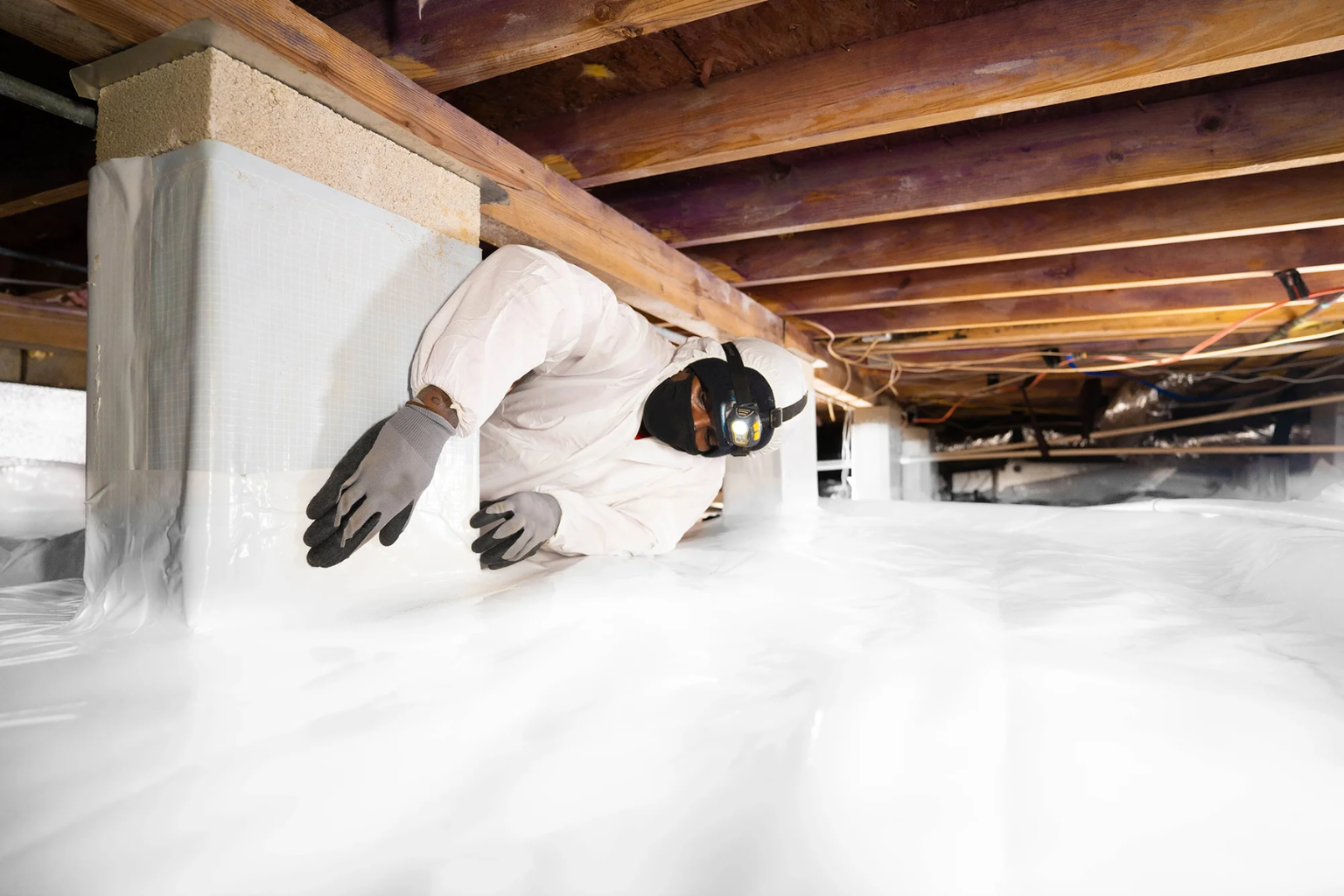
    Soil naturally contains moisture that constantly moves upward through evaporation. In crawl spaces without protective barriers, this ground moisture rises into the air and settles inside the foundation area. Over time, damp soil vapor increases humidity levels beneath the house. A waterproof barrier installed during crawl space waterproofing near me projects blocks that moisture from entering the crawl space. Crawl space repair contractors often place durable vapor barriers across the soil surface to seal the ground below. This simple change reduces the amount of water vapor entering the crawl space environment.

    Stops Damp Air from Lingering Under the Home

    Air trapped inside crawl spaces tends to move slowly, especially in enclosed foundation areas. Without proper moisture control, that stagnant air becomes damp and heavy, which creates an environment where mold spores thrive.

    Improved moisture management helps prevent humid air from collecting in these enclosed spaces. Professionals providing crawl space repair near me services often combine waterproofing with ventilation adjustments or moisture barriers. These improvements allow the crawl space to remain drier throughout changing weather conditions.

    Reduces the Wet Surfaces Mold Loves to Grow on

    Mold growth depends on damp surfaces where spores can attach and multiply. Crawl spaces frequently contain exposed wood, concrete blocks, and insulation that absorb moisture from humid air. Once those materials remain wet long enough, mold colonies can develop quickly.

    Waterproofing helps limit the amount of moisture reaching these surfaces. Crawl space repair contractors focus on controlling water intrusion and humidity levels so building materials stay dry. Reducing damp surfaces removes one of the main conditions mold needs to grow.

    Helps Wood Framing Stay Dry Year Round

    Structural framing beneath the home includes floor joists, beams, and subfloor materials made from wood. These components support the entire structure, and prolonged moisture exposure can weaken them over time.

    Maintaining a dry crawl space environment protects these structural elements. Crawl space repair in Huntsville AL often includes waterproofing solutions that keep moisture away from framing members. Dry wood remains stronger, reducing the risk of structural damage linked to long-term humidity.

    Blocks Water Seepage After Heavy Rains

    Heavy rainfall can push water toward foundation walls and crawl space floors. If drainage systems are poor or soil becomes saturated, water may seep through foundation openings or porous materials.

    Waterproofing systems help block this seepage before it spreads beneath the house. Crawl space waterproofing near me solutions often include sealing foundation cracks, installing drainage layers, or directing water away from the structure. These measures prevent stormwater from creating damp conditions under the home.

    Limits Humidity That Feeds Mold Spores

    Mold spores exist naturally in the environment, but they require moisture to grow into visible colonies. High humidity in crawl spaces provides the moisture those spores need to begin spreading. Lower humidity levels reduce the likelihood of mold growth. Crawl space repair near me professionals frequently install moisture barriers and humidity control solutions to stabilize the air beneath the home. Managing humidity helps stop mold before it has the opportunity to develop.

    Protects Insulation from Soaking up Moisture

    Insulation materials placed between floor joists help regulate indoor temperatures. However, insulation exposed to damp crawl spaces can absorb moisture and lose its effectiveness.

    Wet insulation also creates surfaces where mold can spread through the fibers. Crawl space repair contractors address these conditions by preventing water intrusion and controlling moisture levels. Dry insulation continues to perform properly while avoiding mold contamination.

    Helps Air Stay Cleaner Throughout the House

    Air inside a home often travels through crawl spaces before entering living areas. If mold develops beneath the structure, airborne spores may move upward through floor openings and ventilation pathways.

    Keeping the crawl space dry helps improve indoor air quality throughout the house. Crawl space repair in Huntsville AL often includes waterproofing strategies that reduce mold risk below the home. Cleaner air below the structure contributes to healthier air inside the living space.

    Keeps Crawl Spaces from Turning Musty and Damp

    Musty odors often signal moisture problems beneath the home. Crawl spaces with high humidity and poor airflow develop these odors as organic materials begin to break down in damp conditions.

    Waterproofing reduces the moisture that causes these smells. Crawl space waterproofing near me services help maintain a dry environment that prevents musty conditions from forming in the first place.

    Kennedy and Sons provides professional solutions designed to control moisture beneath homes and protect crawl spaces from long-term water damage. Their team evaluates where moisture enters and recommends waterproofing strategies tailored to the property’s specific conditions. Homeowners searching for crawl space repair often rely on their experience to address moisture problems and help keep crawl spaces dry and structurally sound year round.

  • Glass Replacement Perth: Fast, Reliable Repairs You Can Trust

    Glass Replacement Perth: Fast, Reliable Repairs You Can Trust

    When glass breaks, cracks, or becomes unsafe, you need a solution right away. Broken windows, doors, or panels can affect safety, comfort, and security. That is why glass replacement Perth services are essential for both homes and businesses. Fast and professional repairs help protect your property and restore normal use without long delays.

    At Action Glass & Aluminium, we specialise in glass replacement Perth solutions that are quick, dependable, and built to last. Whether it is a small crack or major damage, our team delivers efficient service designed to meet your needs and timeline.

    Glass Replacement Perth Services You Can Depend On

    Choosing professional glass replacement Perth services means you get expert care and high-quality results. Glass may seem simple, but replacing it correctly requires skill, precision, and the right materials. Poor installation can lead to safety risks, air leaks, and repeated damage.

    A trusted team will assess the damage, recommend the right glass type, and complete the replacement safely. This ensures your windows, doors, and glass panels are strong, secure, and visually appealing.

    Glass replacement Perth is commonly needed for:

    • Residential windows and doors
    • Office glass panels
    • Shopfront glass
    • Sliding doors and partitions
    • Damaged safety glass

    Professional services make the process smooth and stress-free, helping you avoid long-term issues and costly repairs.

    Emergency Glass Repair for Immediate Safety

    Unexpected glass damage can happen at any time. Storms, accidents, and break-ins often require urgent attention. In these cases, emergency glass repair is the fastest way to secure your property and prevent further risks.

    Emergency glass repair helps:

    • Protect your property from weather exposure
    • Prevent injuries from broken glass
    • Restore security quickly
    • Reduce business downtime

    Fast response is especially important for commercial properties where broken glass can affect operations and customer safety. A reliable emergency glass repair team will arrive promptly, remove damaged glass safely, and install a secure replacement as soon as possible.

    At Action Glass & Aluminium, we prioritise urgent requests and deliver fast emergency glass repair across Perth to keep your space protected.

    Why Professional Glass Replacement Perth Is the Smart Choice

    Hiring experts for glass replacement Perth offers many long-term benefits. Professional technicians use durable materials and proven installation methods to ensure lasting performance. This means fewer repairs in the future and better value for your investment.

    Key advantages include:

    • Accurate measurements and perfect fit
    • High-quality and safety-compliant glass
    • Clean and safe removal of broken glass
    • Long-lasting and reliable results
    • Professional and efficient service

    Experienced technicians also understand local building standards and safety requirements. This ensures every glass replacement meets the necessary regulations and provides maximum protection.

    Instead of attempting DIY repairs, professional glass replacement Perth services save time, reduce risk, and guarantee better outcomes.

    Reliable Solutions for Residential and Commercial Properties

    Glass damage affects both homes and businesses in different ways. For homeowners, broken glass can reduce comfort, safety, and energy efficiency. For businesses, damaged glass can harm your professional image and disrupt daily operations.

    Professional glass replacement Perth services are designed to handle all property types. From modern homes to retail stores and office spaces, expert technicians provide tailored solutions that suit your specific needs.

    Commercial properties benefit from fast emergency glass repair to minimise downtime and maintain a safe environment for staff and customers. Residential clients enjoy improved safety, insulation, and visual appeal with high-quality glass replacements.

    Action Glass & Aluminium understands the importance of fast, reliable, and professional service. Our team delivers expert glass replacement Perth and emergency glass repair with a strong focus on safety, quality, and customer satisfaction. If you need quick and dependable glass solutions, contact Action Glass & Aluminium today for fast response, expert workmanship, and trusted service you can rely on.

  • What Every Hamilton Resident Should Know About Emergency Plumbing Services

    What Every Hamilton Resident Should Know About Emergency Plumbing Services

    Plumbing emergencies don’t schedule themselves. A burst pipe in the middle of the night, a backed-up sewer line, or a malfunctioning water heater can create chaos for any household. For Hamilton residents, knowing who to call when disaster strikes is critical. Professional Hamilton plumbers like Rescue Rooter provide rapid, reliable solutions that prevent damage, save money, and restore peace of mind.

    Common Plumbing Emergencies in Hamilton

    Some emergencies are more frequent in Hamilton homes due to older infrastructure and seasonal changes:

    • Burst Pipes: Especially during winter, pipes can freeze and burst, causing significant water damage.
    • Sewer Backups: Clogs, tree roots, or pipe corrosion can result in sewage entering your home.
    • Water Heater Failures: A sudden breakdown can leave you without hot water for showers and washing.
    • Major Leaks: Leaking appliances, toilets, or faucets can flood floors and damage walls.
    • Clogged Main Drains: A blocked main line can stop all water flow and requires immediate attention.

    Why DIY Isn’t Enough in Emergencies

    Attempting to fix emergency plumbing issues yourself can worsen the problem. Without proper equipment and training:

    • Pipes may crack or burst further.
    • Sewage backups can spread bacteria and mold.
    • Water damage may affect floors, walls, and personal belongings.

    Professional Hamilton plumbers have the tools and expertise to quickly diagnose the problem, implement an effective solution, and minimize long-term damage.

    How Rescue Rooter Handles Plumbing Emergencies

    Rescue Rooter provides 24/7 emergency plumbing services across Hamilton. Our approach includes:

    1. Rapid Response: A licensed plumber is dispatched immediately to assess and stop the problem.
    2. Advanced Diagnostics: Tools like video pipe inspection cameras identify hidden blockages or damage.
    3. Permanent Solutions: Repairs are designed to prevent recurrence, rather than temporary fixes.
    4. Safety Compliance: All work follows Ontario building codes and safety regulations.

    Preventative Measures to Avoid Emergencies

    While some plumbing issues are unavoidable, homeowners can reduce risk by:

    • Inspecting pipes and drains regularly.
    • Winterizing exposed plumbing to prevent freezing.
    • Scheduling annual plumbing inspections with Hamilton plumbers.
    • Avoiding flushing inappropriate items down toilets.
    • Installing backflow prevention devices to protect against sewer backups.

    FAQ: Emergency Plumbing in Hamilton

    Q: How fast can a plumber arrive in an emergency?
    A: Rescue Rooter provides rapid response times and 24/7 service for urgent situations.

    Q: Are emergency services more expensive?
    A: Rates vary, but prompt professional service often prevents more costly damage.

    Q: Can I temporarily stop a leak myself?
    A: Temporary solutions like shutting off the main water supply can help, but a licensed plumber is needed to fix the issue permanently.

    Emergencies are stressful, but having a trusted Hamilton plumber ensures you’re never unprepared. Rescue Rooter’s licensed team is available 24/7 for any plumbing crisis, protecting your home and your family while providing fast, professional solutions.

  • What North Texas Homeowners Should Know About Their Roof Before the Next Storm Season

    What North Texas Homeowners Should Know About Their Roof Before the Next Storm Season

    In North Texas, roofs live a harder life than most homeowners realize. Between intense summer heat, sudden temperature swings, high winds, and hailstorms that can roll in without much warning, roofing systems here age differently than they do in milder climates. And because the roof is usually out of sight, it’s easy to miss early warning signs until a small issue becomes a major repair.

    This article isn’t a pitch. It’s a practical, homeowner-focused look at what really happens to roofs in the Dallas–Fort Worth region, what you can spot early, and what matters most if you’re trying to protect your home long-term.

    Why North Texas Roofs Wear Out Faster Than Expected

    A roof isn’t just “shingles on top.” It’s a system designed to move heat, manage water, resist wind uplift, and protect structural decking. In North Texas, that system gets tested aggressively due to three key factors:

    1) Extreme heat and UV exposure

    Summer heat doesn’t just make shingles hot—it speeds up aging. UV radiation breaks down the oils in asphalt shingles, making them brittle. Over time, shingles lose flexibility and become more prone to cracking or tearing during storms.

    2) Sudden temperature changes

    A cool morning followed by a scorching afternoon causes expansion and contraction. This movement can slowly weaken seal strips, loosen fasteners, and create tiny openings that eventually turn into leaks.

    3) Hail and wind events

    Even when hailstones aren’t huge, repeated impacts can damage granules, bruise the shingle mat, and weaken the roof’s water-shedding ability. Wind then takes advantage of these weak points.

    The “Invisible Damage” That Causes Most Roof Problems

    Most people expect roof damage to look dramatic—missing shingles, holes, or visible sagging. But in real life, the biggest threats often start quietly.

    Here are the most common “invisible” issues:

    • Granule loss: Those sand-like granules protect shingles from UV rays. When they wash off, shingles age faster.
    • Shingle bruising: Hail impacts can cause internal fractures without breaking the surface.
    • Lifted shingles: Wind can break the seal strip so shingles lift slightly. Water can then be pushed underneath.
    • Flashing separation: The metal around chimneys, vents, and valleys may shift or corrode, allowing water entry.
    • Nail pops: Nails can back out over time, lifting shingles and creating entry points for moisture.

    A roof can look “fine” from the street and still have damage that will shorten its life by years.

    Early Warning Signs Most Homeowners Miss

    You don’t need to climb your roof to stay ahead of problems. Some of the best clues show up around the home:

    Indoors:

    • Stains on ceilings or walls (even faint ones)
    • Musty smell in attic spaces
    • Paint bubbling or peeling near the top of walls

    Outdoors:

    • Shingle granules collecting in gutters or downspout exits
    • Curled shingle edges or uneven shingle patterns
    • Rusted or loose vent flashing
    • Dark streaks that look like “dirt” but may be algae growth

    If you spot any of these, it doesn’t automatically mean you need a replacement. But it does mean the roof deserves attention sooner rather than later.

    Roof Age Matters—But Not in the Way People Think

    You’ll often hear that asphalt roofs last “20–30 years.” In North Texas, that number depends heavily on installation quality, ventilation, and storm history.

    A more realistic way to think about it:

    • 0–5 years: Usually stable unless storm damage occurs
    • 6–12 years: Wear starts showing; seal strips and flashing become more important
    • 13–18 years: Many roofs begin showing aging symptoms, especially after hail seasons
    • 19+ years: Increased risk of leaks, brittle shingles, and underlayment fatigue

    What matters more than the number is the roof’s exposure to storms. A 10-year-old roof that has been through multiple hail events can be in worse condition than a 20-year-old roof in a calmer region.

    The Most Overlooked Part of Roofing: Ventilation

    A roof doesn’t fail only because of storms. Poor ventilation can quietly shorten roof life and raise energy bills.

    When attics trap heat:

    • Shingles bake from underneath
    • Seal strips degrade faster
    • Moisture can build up, leading to mold or wood rot
    • Insulation performance drops

    Proper ventilation balances intake (soffits) and exhaust (ridge vents or roof vents). It also reduces temperature extremes that cause materials to expand and contract.

    If your home feels hotter upstairs, your AC runs nonstop, or your attic is unusually humid, ventilation may be contributing to roof stress.

    Understanding Storm Damage Without Guesswork

    After a storm, homeowners often face two confusing extremes:

    • “It looks fine, so it must be fine.”
    • “There was hail, so it must be ruined.”

    The truth is in between. Storm damage becomes serious when it affects the roof’s ability to shed water consistently.

    Here’s what usually counts as meaningful damage:

    • Multiple bruised areas across slopes
    • Cracked shingles exposing fiberglass mat
    • Missing granules in concentrated patches
    • Damaged flashing around penetrations
    • Dented or separated vents

    Even if there’s no leak today, these issues can reduce the roof’s lifespan significantly.

    Why Leaks Don’t Always Start Where You See the Stain

    This is one of the most surprising things for homeowners: water can travel.

    A ceiling stain might appear far from the actual entry point because water:

    • runs along rafters
    • follows insulation paths
    • pools at low points before dripping

    That’s why “patching the spot above the stain” is rarely a permanent fix. Roof leak diagnosis is part inspection, part tracing airflow and moisture paths.

    A Practical Roof Maintenance Routine (That Doesn’t Feel Like a Chore)

    You don’t need to obsess over your roof. But a simple schedule can prevent expensive surprises:

    Twice a year (spring and fall):

    • Look for shingle irregularities from the ground
    • Check gutters for granules and debris
    • Inspect visible flashing and vents

    After major storms:

    • Walk around the house and check for debris, lifted shingles, and gutter overflow marks
    • Look for dents on metal vents or gutters (a clue hail may have hit the roof too)

    Every 2–3 years:

    • Have a professional inspection to catch early problems, especially if your roof is over 10 years old

    What to Do If You Think Your Roof Has Problems

    If you suspect damage, the smartest approach is to gather information before making decisions.

    A qualified Dallas Roofer can help you understand whether you’re dealing with cosmetic wear, repairable issues, or damage that will worsen over time. The key is to focus on documentation and roof health—not pressure.