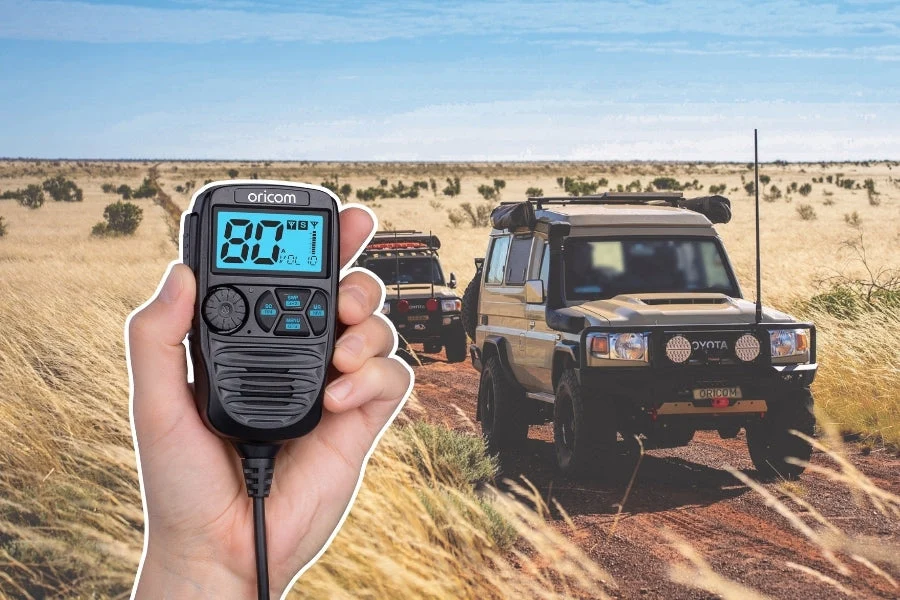
Citizens band communication remains useful for drivers, outdoor enthusiasts, truckers, hobbyists, and anyone who needs reliable short-range communication without depending entirely on mobile networks. A properly matched radio and antenna can provide clear communication and better range when traveling through remote areas or places with limited cellular coverage. Understanding how these systems work can help users choose equipment that suits their needs.
Understanding CB Radios
CB radios are two-way communication devices designed for use on the citizens band radio service. They allow users to communicate with other nearby radio operators using designated CB channels. Unlike mobile phones, CB radios do not require a cellular subscription or internet connection. This makes them particularly practical for road trips, convoys, off-road adventures, and professional driving.
Modern CB radios are available in several designs, including compact units for vehicles and feature-rich models with additional controls. Depending on the model, useful features can include adjustable squelch, noise filtering, channel scanning, weather information, and different microphone options. Choosing the right radio depends on how frequently it will be used and where communication is most important.
Why the Antenna Matters
The antenna is one of the most important components of a CB communication setup. Even an excellent radio can deliver disappointing performance when paired with an unsuitable or poorly installed antenna. The antenna is responsible for transmitting and receiving radio signals, so its design, position, and tuning can directly influence communication quality.
When selecting CB antennas, users should consider antenna length, mounting location, construction quality, and compatibility with their vehicle or installation. Magnetic-mount antennas are convenient for temporary setups, while permanent mounts can provide a more secure installation. Fiberglass and stainless-steel antennas are popular choices because they offer different combinations of durability, flexibility, and performance.
Choosing the Right Antenna
Antenna selection should match the intended application. Drivers who frequently travel on highways may prefer an antenna designed for strong performance and durability. Off-road users may prioritize flexible construction that can withstand branches, bumps, and rough terrain. The available mounting position is also important because the antenna needs sufficient clearance for safe operation.
A longer antenna is not automatically the best choice for every vehicle. Ground-plane conditions, mounting position, vehicle structure, and proper tuning all influence performance. Before purchasing equipment, users should consider how much space is available and whether the antenna can be positioned safely.
CB Radios and Antennas Working Together
For reliable communication, the radio and antenna should be treated as a complete system. A quality radio connected to a properly installed and tuned antenna can generally perform much better than an expensive radio connected to an unsuitable antenna. cb radios and antennas The coaxial cable and connectors should also be in good condition because damaged or poorly connected components can reduce signal performance.
A standing wave ratio (SWR) meter can be useful when setting up a CB system. Checking and adjusting SWR helps ensure that the antenna is operating efficiently with the radio. Proper tuning can improve performance while helping protect the radio from problems caused by an improperly matched antenna.
Installation and Maintenance Tips
Installation should always be performed carefully. The antenna should be mounted securely and positioned where it is unlikely to contact power lines, branches, or other hazards. Coaxial cable should be routed neatly and protected from sharp edges, excessive heat, and unnecessary bends.
Regularly inspect the antenna, mount, cable, and connectors for corrosion or physical damage. Cleaning connections and tightening loose hardware can help maintain consistent performance. If communication suddenly becomes weaker, checking these components is often a useful first step.
Final Thoughts
A dependable CB communication setup starts with choosing compatible equipment and installing it correctly. Whether you are a truck driver, traveler, outdoor enthusiast, or radio hobbyist, understanding the relationship between the radio and antenna can help you achieve clearer and more consistent communication. With the right equipment, careful installation, and regular maintenance, a CB system can remain a practical communication tool for many different situations.