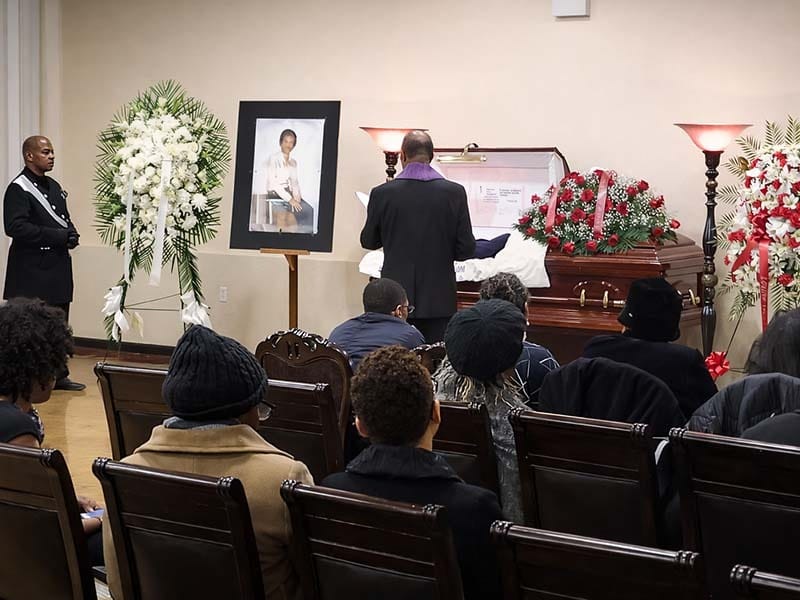
Understanding the Funeral Service: A Guide for Family and Friends
Attending a funeral can feel daunting, particularly if you have not been to one before or you are unsure how the ceremony will unfold. While every funeral is different, most services follow a general structure designed to give family and friends an opportunity to remember the person who has died, reflect on their life and say goodbye.
Understanding some of the common elements of a funeral service can make the occasion feel less unfamiliar and allow you to concentrate on supporting those around you.
Where Funeral Services Take Place
Funeral services can be held in a variety of locations. Crematorium chapels, churches and other places of worship are common choices, but families may also select cemeteries, natural burial grounds or other suitable venues.
The location often reflects the beliefs and wishes of the person who died and their family. A religious service might take place in a church before burial or cremation, while a non-religious or civil ceremony may be held entirely at a crematorium.
Some families choose a more intimate ceremony with only close relatives and friends, while others arrange a larger service where anyone who knew the person is welcome to attend.
Arriving Before the Ceremony
Guests are generally encouraged to arrive a little before the stated start time. This provides an opportunity to find a seat without interrupting proceedings and allows the service to begin on schedule.
Immediate family members may arrive separately in funeral vehicles and enter after other guests have taken their seats. Depending on the arrangements, the coffin may already be in place or may be carried into the venue at the beginning of the ceremony.
If you are uncertain about where to sit, an usher or member of the funeral director’s team can usually provide guidance.
How the Service Usually Begins
A funeral often begins with music as the coffin and close family enter. This might be a traditional hymn, classical music or a favourite song chosen because it has a particular connection with the person being remembered.
The minister, celebrant or person leading the ceremony will then normally welcome those attending and introduce the service.
For anyone wondering what to expect in a funeral service, it can be reassuring to know that there is usually someone guiding guests throughout the ceremony. You will not generally be expected to know what happens next or when to participate.
Readings, Poems and Eulogies
Readings are a common part of funeral services and can be religious or non-religious. Families might choose a passage from scripture, a favourite poem, an extract from a book or words that reflect the person’s outlook on life.
A eulogy or tribute may also be delivered. This usually describes the life and character of the person who has died, perhaps including stories about their family, career, friendships, interests and achievements.
Eulogies do not always need to be solemn. Warm or humorous memories can provide comfort and remind those attending of the personality behind the formal occasion.
Music and Moments of Reflection
Music can be one of the most personal elements of a funeral. Traditional hymns remain popular, particularly during religious ceremonies, but contemporary songs and instrumental pieces are also frequently chosen.
There may also be a period of silence or reflection during which guests can privately remember the person who has died.
Some services include a visual tribute, such as a slideshow of photographs accompanied by music. These personal touches can help tell the story of someone’s life and bring back shared memories for family and friends.
The Committal
Towards the end of many funeral services there is a committal. This is the formal moment when the person who has died is committed for burial or cremation.
At a burial, the committal may take place beside the grave. During a crematorium service, it normally takes place inside the chapel. Depending on the venue and the family’s wishes, curtains may close around the coffin or the coffin may remain visible as guests leave.
The committal can be an especially emotional part of the ceremony because it represents the final farewell.
What Happens at the End?
After the final words, prayers or music, the person conducting the funeral will bring the ceremony to a close. Close family members usually leave first, followed by the other guests.
There may be an opportunity outside the venue to speak briefly with relatives and offer condolences. However, it is worth remembering that immediate family members may feel overwhelmed, so a few sincere words are often enough.
Guests may then be invited to attend a wake or reception, where the atmosphere is usually more informal.
A Time to Remember and Say Goodbye
Although funeral traditions provide a familiar framework, modern services can be highly personal. Music, photographs, readings, stories and other details can all be chosen to reflect the individual being remembered.
If you are attending a funeral for the first time, there is no need to worry about behaving perfectly or understanding every part of the ceremony. Follow the guidance of those leading the service and be considerate of the family and other mourners.
Above all, a funeral service is an opportunity to acknowledge a loss, remember a life and support the people left behind. Being present is often what matters most.