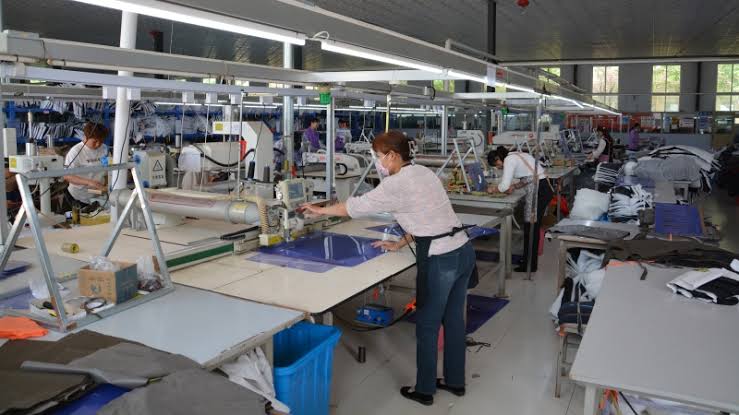
The fashion industry is constantly evolving, and brands need clothing that combines quality, comfort, style, and reliable production. Working with the right Custom Clothing Manufacturer can help fashion businesses turn creative concepts into finished garments while maintaining consistency across collections. From fabric selection and pattern development to sampling and bulk production, the right manufacturing partner can play an important role in building a successful clothing brand.
Why Choose Custom Clothing Manufacturing?
Custom manufacturing gives brands greater control over how their products look and feel. Instead of relying entirely on ready-made designs, businesses can develop garments according to their own measurements, colors, fabrics, prints, labels, and finishing requirements. This approach is particularly useful for emerging fashion labels that want to create a recognizable identity.
A reliable manufacturer can also support different production stages, including design development, technical specifications, fabric sourcing, cutting, stitching, printing, embroidery, quality inspection, and packaging. Having several processes managed through one production partner can make the overall workflow more organized.
Activewear Clothing Manufacturer Portugal
Portugal has become an attractive location for fashion production because of its established textile industry and manufacturing expertise. Brands searching for an Active Wear Clothing Manufacturer Portugal can explore production options for leggings, sports bras, gym tops, training shirts, tracksuits, shorts, and other performance-focused garments.
Activewear requires careful attention to fabric performance. Materials often need to provide stretch, breathability, durability, moisture management, and comfort during movement. Manufacturers experienced in sportswear can help brands select appropriate fabrics and construction techniques based on the intended use of each product.
Developing High-Quality Clothing Collections
Successful clothing production starts with a clear product specification. Brands should provide information about garment measurements, materials, colors, stitching details, artwork, branding, and expected quantities. Detailed specifications reduce misunderstandings and help manufacturers create samples that accurately represent the original concept.
Sampling is another important stage. Before placing a large production order, brands can review the sample’s fit, fabric quality, stitching, print placement, and overall appearance. Adjustments can then be made before bulk manufacturing begins.
Best Streetwear Clothing Manufacturer for Modern Brands
Streetwear continues to influence global fashion through oversized silhouettes, graphic designs, casual essentials, and distinctive branding. Finding the Best Streetwear Clothing Manufacturer involves more than comparing production prices. Brands should consider manufacturing quality, communication, customization capabilities, minimum order quantities, turnaround times, and experience with contemporary fashion products.
Streetwear collections may include hoodies, oversized T-shirts, cargo trousers, sweatshirts, jackets, joggers, and other statement pieces. Attention to fabric weight, garment structure, finishing, and print quality can significantly influence the final product.
Quality Control and Production Consistency
Quality control should remain a priority throughout manufacturing. Inspections can identify issues such as incorrect measurements, loose stitching, uneven printing, fabric defects, or inconsistent colors. Maintaining clear quality standards helps ensure that products meet the brand’s expectations before they reach customers.
Production consistency becomes especially important when a brand expands its collection. Customers expect garments purchased at different times to maintain similar sizing, construction, and overall quality. A dependable manufacturing partner can help establish repeatable production standards.
Choosing the Right Manufacturing Partner
Before selecting a clothing manufacturer, businesses should evaluate production capabilities, communication, sample quality, pricing, materials, order quantities, and delivery schedules. It is also useful to understand whether the manufacturer can support both small development runs and larger orders as the business grows.
Conclusion
Choosing the right clothing manufacturer can make a significant difference to a fashion brand’s quality, identity, and long-term growth. Whether developing performance apparel, everyday fashion, or modern streetwear, brands should prioritize craftsmanship, communication, flexibility, and consistent quality. A professional manufacturing partner can help transform original designs into market-ready garments while creating a reliable foundation for future collections.