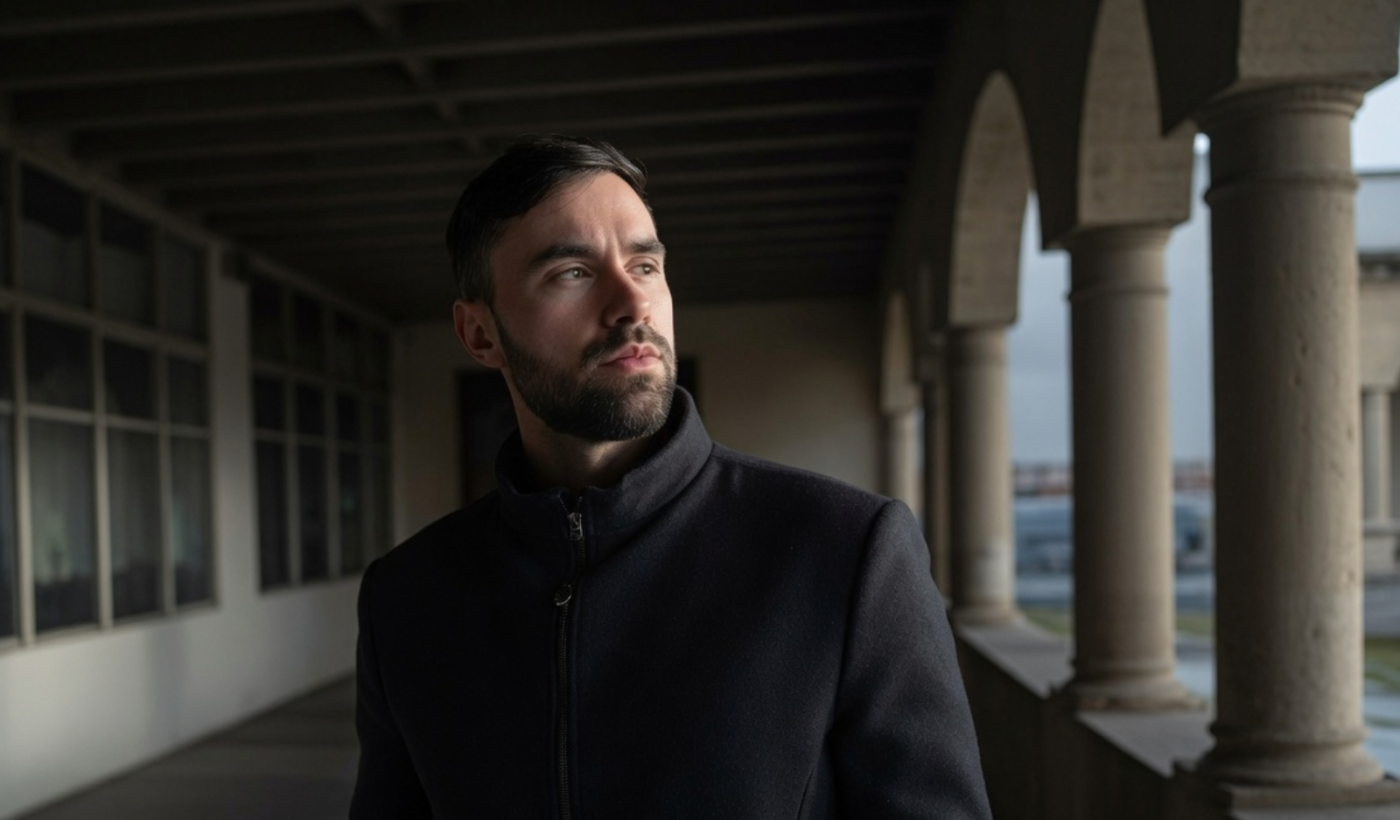
Ask most startup advisors what a founder should focus on, and the answer arrives fast: pick one thing and pursue it relentlessly. Pablo Gerboles Parrilla, whose profile as an athlete-turned-founder has shaped his approach to risk, built his career on a different bet: running several ventures in parallel on the theory that concentration, taken too far, is actually a risk.
The Advice Almost Everyone Repeats
Focus is close to gospel in startup culture. Investors ask for it, accelerators demand it, and founders who spread their attention across multiple projects are often warned they’re setting themselves up to fail at all of them rather than succeed at one. The logic isn’t unreasonable on its face. Divided attention can mean divided execution.
Gerboles Parrilla doesn’t dispute that risk. He simply weighs it against another: what happens when a founder’s entire outcome depends on a single bet that doesn’t work out?
What a Single-Engine Failure Actually Costs
Early in his career, Gerboles Parrilla founded a venture that ultimately failed, resulting in a significant financial loss. The setback was real, and by his own account, it was one of the hardest periods of his professional life. What kept him moving was a second venture he had already started before the first one collapsed, a services business he was running in parallel.
That second business, built on project management and development services, continued to generate revenue while the first one collapsed. It didn’t just cover the gap. It eventually became the foundation for the ventures that followed. Without it, the setback might have ended his entrepreneurial path rather than redirecting it.
Why Three Engines Beat One
The logic scales beyond two projects. If a founder runs a single venture and it fails, the entire operation returns to zero, and rebuilding starts from scratch. If a founder runs three and one fails, the other two continue to build momentum, cash flow, and credibility while the founder learns from the one that didn’t work. The underlying math centers on ensuring that no single point of failure can bring down the whole enterprise, rather than spreading effort too thin.
Gerboles Parrilla has framed this as a direct rebuttal to the standard focus advice. Creative, idea-driven founders in particular, he argues, often lose momentum entirely when their one project stalls, because there’s nothing else generating energy or evidence that the underlying skills still work. Multiple engines solve that problem structurally rather than emotionally.
Systems, Not Just Bandwidth, Make It Work
Running three ventures simultaneously depends less on personal bandwidth than on building each business so it doesn’t require constant founder attention to function. Gerboles Parrilla’s software infrastructure work leans heavily on this principle, treating repeatable processes and automation as prerequisites for parallel operation rather than optional efficiency gains.
“Creativity brings ideas to life, but systems make them sustainable,” he has said. That distinction matters more in a multi-venture model than in a single-company one. A founder juggling several businesses without underlying systems is effectively running one company badly, three times over. The founders who make the model work are the ones who invest early in the infrastructure that lets each venture operate without their constant presence.
Where the Line Sits Between Diversification and Distraction
The three-engine theory isn’t a license to pursue every promising idea. Gerboles Parrilla’s own portfolio reflects a deliberate structure, with each venture occupying a distinct lane rather than competing for the same customers or the same hours in a day. Marketing operations, infrastructure work, and his entertainment portfolio don’t overlap in a way that requires constant context switching between nearly identical problems.
That distinction, between deliberate diversification and reactive distraction, is where the theory either holds up or falls apart. A founder scattering attention across ventures that all demand the same kind of daily decision-making is courting exactly the failure the focus advice warns about. A founder building distinct, complementary engines that each run on their own systems is doing something structurally different, even if it looks similar from the outside.
A Different Definition of Risk Management
What the three-engine theory ultimately reframes is the definition of risk itself. Conventional wisdom treats focus as the safe choice and diversification as the reckless one. Gerboles Parrilla’s experience suggests the opposite can be true: total dependence on a single venture, however promising, concentrates risk in a way that a portfolio of complementary businesses does not.
That reframing carried him from a significant early loss to building a group of companies that now operate independently of one another, each one insulated to some degree from the failure of the others. For founders weighing whether to go all-in on one idea or build several in parallel, his own trajectory is a case for treating the second option as the more disciplined bet, not the riskier one.