Your veins work hard every day to carry blood from your legs back to your heart. To keep blood moving in the right direction, veins contain small one-way valves that open and close as blood flows through them. When these valves begin to weaken or stop working properly, blood can start to pool in the veins instead of flowing efficiently upward.
This condition is known as chronic venous insufficiency (CVI), and it often develops gradually over time. Because symptoms are frequently mild in the beginning, many people overlook the early warning signs until the condition progresses.
Recognizing the early stages of venous insufficiency can help you seek appropriate medical evaluation and learn about treatment options before symptoms become more disruptive to your daily life.
What Is Venous Insufficiency?
Chronic Venous insufficiency occurs when the veins in the legs have difficulty returning blood to the heart. As blood begins to pool in the lower extremities, pressure within the veins increases, leading to a variety of symptoms.
Although the condition becomes more common with age, it can affect adults of various ages and often develops slowly over several years.
Early Signs of Venous Insufficiency
The first symptoms of venous insufficiency are not always obvious. In many cases, individuals attribute them to aging, standing too long, or general fatigue.
Common early symptoms may include:
Leg Heaviness
One of the most frequently reported symptoms is a feeling of heaviness in the legs, particularly at the end of the day.
Many people describe their legs as feeling tired, weighed down, or sluggish. Symptoms may become more noticeable after prolonged standing or sitting and may improve when the legs are elevated.
Aching or Mild Leg Pain
Early venous insufficiency can cause a dull ache or discomfort in the legs. The sensation is often worse after extended periods of standing and may improve with movement or rest.
The discomfort is usually not severe initially, which is one reason many individuals delay seeking medical care.
Mild Swelling
Some people notice subtle swelling around the ankles or lower legs, especially after a long day on their feet.
The swelling may come and go at first and be more noticeable in warmer weather or after prolonged periods of inactivity.
Leg Fatigue
If your legs feel unusually tired after routine activities, poor vein function may be contributing to the problem.
Because circulation is not operating as efficiently as it should, the legs may feel exhausted even after moderate physical activity.
Restless Legs or Nighttime Discomfort
Some individuals experience sensations that make it difficult to keep their legs still while relaxing or sleeping.
Others report nighttime leg discomfort, cramping, or an urge to move their legs more frequently.
Itching Around the Lower Legs
Changes in blood flow can sometimes lead to irritation or itching around the ankles and lower legs before more visible symptoms appear.
While occasional itching may seem minor, persistent symptoms should not be ignored.
Are Spider Veins an Early Warning Sign?
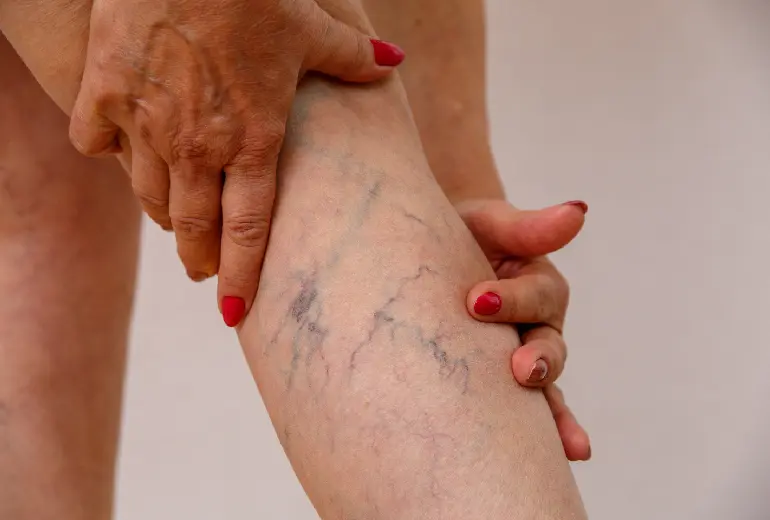
For many individuals, spider veins are among the earliest visible signs of vein disease.
Spider veins appear as small red, blue, or purple veins that are visible beneath the surface of the skin. While they are often considered a cosmetic concern, they can sometimes be associated with underlying venous insufficiency.
Not everyone with spider veins has vein disease, but their presence may warrant further evaluation if they occur alongside symptoms such as heaviness, aching, swelling, or fatigue.
Can Early Venous Insufficiency Lead to Varicose Veins?
Yes. As vein function worsens, pressure inside the veins can increase, causing larger veins to become enlarged, twisted, and more visible.
These enlarged veins are known as varicose veins.
While not everyone with early venous insufficiency develops significant varicose veins, untreated vein disease may progress over time and lead to increasingly noticeable symptoms.
Risk Factors for Venous Insufficiency
Several factors may increase the likelihood of developing vein disease, including:
- Family history of varicose veins or venous insufficiency
- Prolonged standing or sitting
- Pregnancy
- Excess weight
- Increasing age
- Previous blood clots
- Limited physical activity
Having one or more risk factors does not guarantee you will develop venous insufficiency, but it may increase your risk.
Supporting Vein Health in the Early Stages
While lifestyle changes cannot reverse damaged vein valves, they may help support circulation and reduce symptom severity.
Healthy habits include:
- Walking regularly
- Maintaining a healthy weight
- Staying physically active
- Elevating your legs when possible
- Avoiding prolonged periods of sitting or standing
- Wearing compression socks when recommended by a healthcare provider
These measures may help improve comfort and support healthy blood flow.
When to See a Vein Specialist
Many people wait until varicose veins become prominent before seeking medical care. However, symptoms often begin long before noticeable veins appear.
If you are experiencing:
- Leg heaviness
- Aching legs
- Ankle swelling
- Leg fatigue
- Spider veins
- Restless legs
- Persistent discomfort after standing
it may be beneficial to schedule an evaluation with a vein specialist.
A vein specialist can perform a noninvasive ultrasound examination to evaluate blood flow and determine whether venous insufficiency is contributing to your symptoms.
Finding a Vein Clinic Near You
If you suspect you may be experiencing the early stages of venous insufficiency, seeking an evaluation at a vein clinic can be an important next step.
Many vein clinics offer comprehensive diagnostic testing to identify underlying vein disease before symptoms become more advanced. Early diagnosis can help you better understand your condition and explore available treatment options.
Whether your symptoms are mild or becoming more noticeable, a consultation with a qualified vein specialist can provide valuable insight into what is causing your discomfort and whether vein disease is involved.
Understand the Stages of CVI
The early stages of venous insufficiency often begin with subtle symptoms that are easy to overlook. Leg heaviness, fatigue, mild swelling, aching, and spider veins may seem minor at first, but they can be early indicators that your veins are not functioning as efficiently as they should.
Paying attention to these warning signs and seeking a professional evaluation when symptoms persist can help you take a proactive approach to your vein health. The sooner venous insufficiency is identified, the sooner you can learn about strategies and treatment options designed to improve your comfort and quality of life.