The Perfect Storm for Fungal Contamination
Florida’s unique combination of high ambient humidity, elevated year-round temperatures, and heavy reliance on air conditioning creates a challenging environment for managing indoor air quality. Hidden in dark attic spaces and floor joists, your home’s ductwork operates under constant environmental stress. When warm, moisture-laden air interacts with cool supply surfaces, condensation forms inside the ventilation system. Left unchecked, this standing moisture creates a perfect storm for fungal spores, turning your HVAC ductwork into a breeding ground for mold growth that circulates throughout your living space.
Spores, Dust, and Water: The Fungal Triad
For mold to take root and flourish inside a ventilation system, three specific conditions must be met: ambient fungal spores, an organic food source, and persistent moisture. Spores exist naturally in outdoor air and enter your home through open doors, windows, and shoes.
Inside the ductwork, fine layers of skin cells, pet dander, and cellulose dust provide an abundant organic food supply. Add in the condensation caused by high Florida humidity or duct insulation failures, and the fungal triad is complete. Fungal hyphae quickly web across flex duct liners and sheet metal joints, releasing millions of new spores directly into the supply airstream.
Health Implications of Circulating Spores
When mold takes hold inside air ducts, every cycle of the AC blower motor distributes microscopic spores and volatile organic compounds (VOCs) into bedrooms, kitchens, and family spaces. Living in an environment with active fungal circulation can cause significant health issues for occupants.
Symptoms include chronic sinus congestion, unexplained throat irritation, persistent coughing, watery eyes, and heightened asthma attacks. Vulnerable individuals, such as young children, the elderly, and immunocompromised family members, often experience severe allergic reactions. Addressing fungal issues in your air distribution system is a critical step for maintaining a healthy home environment.
Identifying Visible Clues and Musty Odors
Because air ducts are hidden inside walls and attics, identifying mold growth requires watching for subtle environmental clues. The most obvious indicator is a persistent, damp, earthy odor that intensifies whenever the air conditioner turns on.
Additionally, inspect your ceiling supply registers. If you notice dark, fuzzy spots spreading across the metal louvers or black specks staining the surrounding ceiling drywall, fungal growth has likely established itself inside the boot connections. Ignoring these signs lets contamination spread deeper into the primary trunk lines.
Professional Remediation and Microbial Sanitation Protocols
Wiping down exterior vent covers with household cleaners will not resolve an internal duct mold issue; standard bleach sprays can actually damage flex duct liners and release excess moisture into the system. Eliminating fungal growth requires specialized technical remediation.
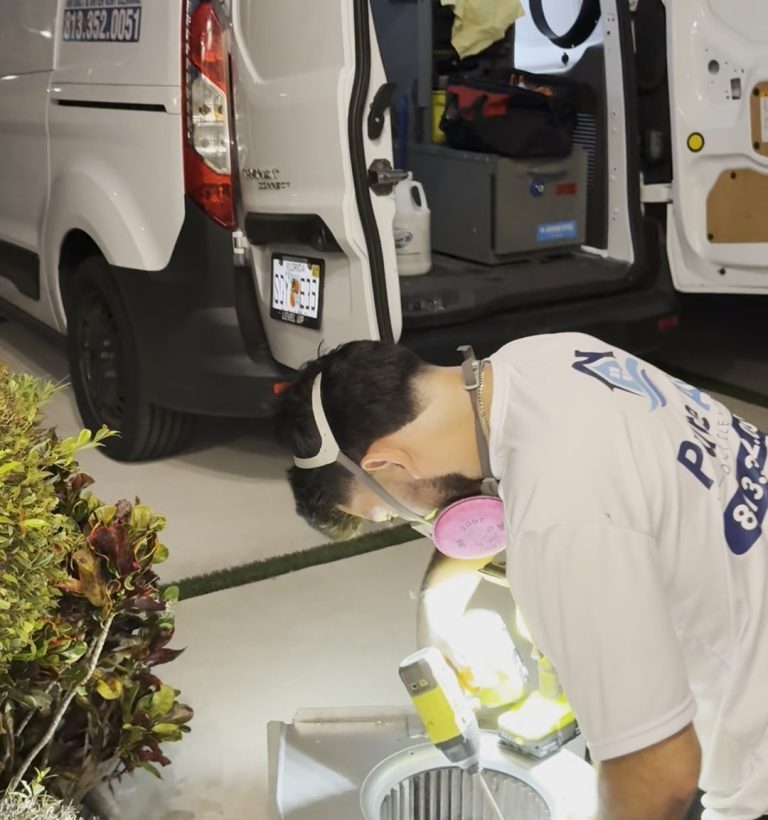
Technicians isolate the duct system using negative air pressure machines fitted with HEPA filtration to prevent cross-contamination into the living space. Specialized rotary brushes scrub internal surfaces, followed by EPA-registered antimicrobial fogging agents designed to neutralize spores down to the surface level. For comprehensive remediation, seeking professional mold treatment restores clean, safe conditions to your home’s air distribution system.
Protect Your Home and Health from Hidden Mold Risks
Fungal growth inside your ductwork poses serious risks to both your property’s air quality and your family’s health. By keeping indoor humidity low, maintaining duct insulation, and addressing musty odors at the first sign of trouble, you can prevent spores from taking over your ventilation network. Don’t let hidden mold compromise your indoor environment—schedule a professional duct assessment today and protect your home’s air quality.