

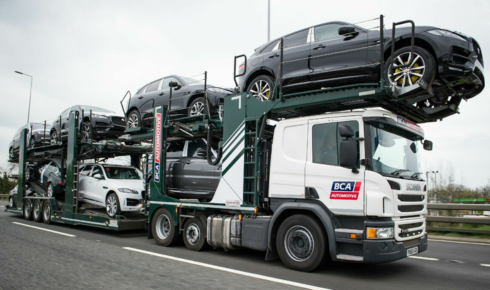

The global transportation and logistics sector is experiencing an unprecedented evolution as we navigate through 2026. The rapid influx of high-value electric hypercars, modified off-road vehicles, and specialized automotive platforms requires an entirely new approach to roadside assistance. Traditional towing frameworks are proving completely inadequate for these complex, high-net-worth mobile assets. Property owners and fleet operators can no longer rely on standardized recovery methods when dealing with modern, highly sensitive automotive architecture.
This dramatic shift demands highly precise, engineered solutions for vehicle extraction and transport. A simple breakdown of a low-clearance performance vehicle or a heavily armored SUV can rapidly escalate into a costly catastrophe if mishandled. Therefore, understanding the intricacies of specialized automotive logistics is an absolute necessity for modern transit operators. It represents the crucial intersection where advanced machinery meets delicate, high-value asset preservation.
Related resource: autoevakuators
What is Specialized Automotive Logistics and Why Pay Attention?
Specialized automotive logistics refers to the highly technical discipline of recovering, securing, and transporting vehicles that fall outside standard dimensional or weight parameters. This encompasses low-clearance sports cars, heavy-duty off-road platforms, and advanced electric vehicles containing highly volatile battery enclosures. It fundamentally replaces the outdated “hook and chain” methodology with advanced hydraulic flatbed articulation and zero-degree loading angles.
You must pay close attention to this sector because the structural composition of modern vehicles is fundamentally changing. The introduction of carbon-fiber monocoque chassis and immense, low-slung battery packs means the center of gravity is entirely different than just five years ago. Applying standard towing pressure to these modern frames will instantly cause catastrophic, unrepairable structural fracturing. Today’s high-performance machines require transporters engineered specifically for their unique geometries.
Furthermore, specialized recovery operations utilize advanced telemetry integration to assess the condition of the vehicle before it is even touched. By utilizing these specialized frameworks, logistics operators drastically minimize liability and protect the immense financial value of these specialized assets. The modern automotive landscape simply demands a hyper-focused, scientific approach to asset recovery. Those who ignore these advancements risk massive financial exposure.
Common Mistakes to Avoid Regarding Specialized Vehicle Transport
When a premium or heavily modified vehicle requires transport, the urgency to clear the roadway often results in disastrous, rushed decision-making. Operators frequently make critical errors during the initial dispatch and loading phases, severely compounding the physical damage to the asset. To maintain absolute safety and protect high-value investments, it is imperative to avoid these pervasive operational mistakes.
- Failing to calculate clearance metrics: Dispatching a standard flatbed without verifying the exact ground clearance of a performance vehicle inevitably leads to severe front-fascia damage during the loading process.
- Ignoring drivetrain lockouts: Attempting to pull an all-wheel-drive electric vehicle without properly engaging the electronic neutral override will destroy the internal electric motors in seconds.
- Overlooking payload distribution: Utilizing standard tie-down methods on specialized off-road vehicles with long-travel suspension creates dynamic instability on the transport platform.
- Neglecting environmental containment: Failing to deploy immediate high-voltage isolation protocols for a damaged electric sports car exposes operators to severe thermal runaway risks.
- Deploying steep-angle ramps: Using traditional loading ramps for low-slung vehicles completely ignores the critical structural stress points of modern aerodynamic undercarriages.
Additional information: zemu un sporta auto transportesana
Step-by-Step Guide: How to Effectively Use Premium Recovery Systems
Successfully managing the recovery of a specialized automobile requires a highly methodical, step-by-step operational protocol. This strict sequence ensures that the exact mechanical failure is isolated, and the appropriate, low-impact hardware is utilized. Following this precise methodology guarantees compliance with advanced automotive engineering standards and minimizes total asset depreciation.
- Secure the physical perimeter: Immediately establish a multi-lane safety buffer around the compromised vehicle to prevent secondary collisions during the delicate loading phase.
- Conduct a digital diagnostic assessment: Utilize remote diagnostic telemetry scanners to download fault codes and ensure the vehicle’s high-voltage systems are safely disabled.
- Calculate loading geometry: Mathematically determine the exact approach angle required to bypass aerodynamic splitters and low-hanging carbon fiber body panels.
- Dispatch specialized hardware: Deploy an enclosed, zero-degree incline transporter equipped with synchronized air suspension to lower the loading deck completely to the ground.
- Execute structural attachment: Apply soft-touch, synthetic wheel straps to the manufacturer-approved anchor points, ensuring absolutely zero contact with the vehicle’s painted surfaces or suspension arms.
- Transfer the compromised asset: Slowly winch the vehicle onto the transport platform using a highly controlled hydraulic tensioning system, monitoring the weight distribution across all axles continuously.
Best Practices and Expert Advice
To execute flawless specialized recovery, industry experts strongly advise establishing preemptive protocols specific to vehicle classifications. Do not wait for an emergency to learn the specialized towing procedures for a specific hypercar or heavy-duty off-road platform. Ensure your transport partners utilize continuous multi-point load monitoring during transit to prevent microscopic frame warping on delicate chassis. Proactive partner vetting is the cornerstone of effective asset protection.
When dealing with performance vehicles, prioritize the use of completely enclosed transport platforms. These trailers protect highly sensitive, custom-painted surfaces from roadway debris, severe weather, and unwanted public attention during transit. Furthermore, experts recommend deploying localized air-cushion lifting for vehicles that have suffered catastrophic suspension failures. This localized lifting technique allows operators to elevate a collapsed chassis safely before ever attempting to drag the vehicle onto a loading ramp.
Additionally, operators must intimately understand the physics of modern air suspension systems found in luxury and off-road vehicles. If a vehicle’s self-leveling system is not disabled prior to transport, the onboard computer will continuously fight the tie-down straps. This constant pneumatic struggle ultimately causes severe internal compressor failures by the time the vehicle reaches its destination.
Related resource: dzipu transportesana
Future Perspectives: Development Trends
The future of specialized vehicle transport is rapidly moving toward complete predictive automation and highly advanced material sciences. By 2028, we anticipate the widespread integration of predictive maintenance nodes that will alert logistics hubs to a critical mechanical failure before the driver even detects a problem. This hyper-localized data will automatically pre-dispatch the exact enclosed transport unit required, complete with the vehicle’s dimensional schematics pre-loaded.
We are also witnessing a massive leap in the specialized materials used to secure these high-value assets. The industry is aggressively phasing out traditional nylon straps in favor of smart-fiber webbing integrated with real-time tension sensors. These advanced securing methods will instantly alert the transport driver in the cabin if a strap loses even a fraction of a millimeter of tension during transit. This continuous monitoring ensures the load remains perfectly static throughout the entire journey.
Furthermore, autonomous escort drones are becoming a standard component of the premium recovery toolkit for top-tier operators. These aerial units launch automatically from the roof of the transport truck, establishing an overhead visual feed of the loading sequence. This allows the operator to maintain perfect alignment of millimeter-precise loading tolerances without relying entirely on ground-level spotters, drastically increasing the safety and precision of the extraction.
Conclusion
The landscape of high-value asset transportation in 2026 demands a highly sophisticated, engineering-first approach to specialized automotive logistics. Gone are the days when premium vehicle rescue relied entirely on brute force and mechanical guesswork. Today, protecting expansive automotive investments requires a deep, scientific understanding of ground clearances, structural load limits, and complex digital architecture.
By familiarizing yourself with these rigorous operational standards, you insulate your logistics network against catastrophic delays and severe financial liabilities. Recognizing the profound differences between standard automotive towing and complex premium extraction is the key to maintaining operational excellence. Those who adapt to these specialized protocols will maintain an unbroken chain of flawless service, regardless of the complexity of the vehicle involved.
As digital integration and advanced materials continue to evolve at a breakneck pace, the methodologies for securing and transporting massive, sensitive assets will only become safer. Ultimately, treating specialized vehicle recovery as a vital, highly technical discipline guarantees that modern automotive assets remain secure, protected, and absolutely pristine.