

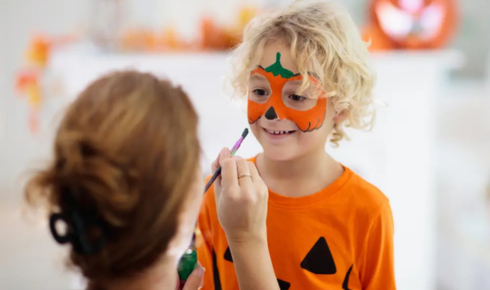

There is a unique kind of magic that happens when a child sits in a face painter’s chair. With a few strokes of a brush and a sprinkle of glitter, they aren’t just a kid anymore—they are a fierce tiger, a shimmering butterfly, or a superhero ready to save the world.
Face painting is a staple of birthday parties, school carnivals, and community festivals, but there’s more to it than just “painting a face.” If you’re planning an event or looking to start a new hobby at home, here is everything you need to know about the world of kids’ face paint.
Safety First: Not All Paint is Created Equal
When it comes to your child’s skin, quality matters. The most common mistake parents make is using “non-toxic” craft paints or acrylics. Just because a bottle says “non-toxic” doesn’t mean it is safe for the skin; many craft paints contain pigments that can cause severe allergic reactions or staining.
What to look for:
- Cosmetic-Grade Only: Always use products specifically designed for the skin. Professional brands like Snazaroo, TAG, or Diamond FX are water-based, hypoallergenic, and FDA-compliant.
- Water-Based vs. Grease-Based: For kids’ parties, water-based is the gold standard. It’s breathable, dries quickly (preventing smudges), and washes off easily with soap and water.
- Glitter Safety: Never use craft glitter near the eyes. Ensure you are using cosmetic-grade polyester glitter, which is cut into rounded shapes that won’t scratch the cornea.
Essential Tools for the “Home Pro”
You don’t need a massive kit to create stunning results. If you’re building a DIY kit, focus on these essentials:
- High-Density Sponges: These are best for applying “base” colors over large areas quickly.
- Round Brushes (Sizes #2 and #4): These are your workhorses for line work, swirls, and detailing.
- A “Petal” Brush: Perfect for creating instant flowers and butterfly wings with a single press.
- A Clean Water Cup: Change your water frequently to keep your colors vibrant and hygienic.
Top 3 Face Paint Designs for 2026
If you’re just starting out, these three designs are crowd-pleasers that are surprisingly easy to master:
DesignTechnique TipThe Frozen PrincessUse a sponge to dab light blue and white over the forehead and cheekbones, then add white snowflakes using a fine-tipped brush.The Spidey-SenseSponge red over the eyes and forehead. Use a black brush to draw a “V” between the eyes and create web lines radiating outward.The Rainbow ButterflyUse a “split cake” (a container with multiple colors) on a sponge to create multi-colored wings in one stroke.Pro-Tip: The “Exit Strategy”
The fun of face painting usually ends at bedtime, and sometimes removal can be a struggle. To make it tear-free:
- Massage with Soap First: Before adding water, massage a gentle liquid soap or baby oil directly onto the dry painted skin. This breaks down the pigment.
- Wipe and Rinse: Use a soft washcloth or a baby wipe to lift the paint, then rinse with warm water.
Face painting is about more than just the art; it’s about the confidence and joy a child feels when they look in the mirror and see their imagination come to life.