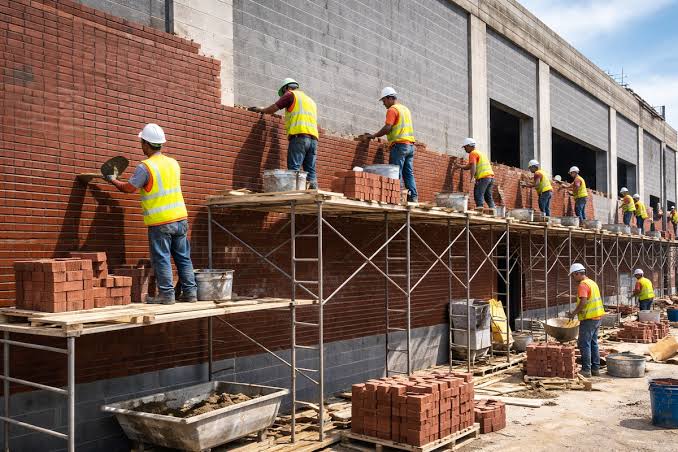
A successful home renovation involves much more than choosing attractive materials and deciding which rooms need an update. Behind every well-executed remodeling project is a long list of decisions involving planning, scheduling, permits, materials, subcontractors, inspections, and quality control.
For homeowners in Austin, TX, working with an experienced general contractor can make a significant difference in how smoothly a renovation progresses. Whether the project involves a kitchen remodel, bathroom renovation, room addition, outdoor living area, or a larger whole-home transformation, proper coordination is essential.
An experienced contractor helps bring all the moving parts together so homeowners can focus on the bigger picture rather than trying to manage every detail themselves.
Turning Renovation Ideas Into a Practical Plan
Most homeowners begin a renovation with a general idea of what they want. They may want a larger kitchen, a more comfortable bathroom, additional living space, or an updated interior that better suits their lifestyle.
The challenge is turning those ideas into a realistic construction plan.
An experienced general contractor can help evaluate the existing home, identify potential limitations, and determine what steps are required to achieve the desired result. This can include reviewing the layout, identifying structural considerations, discussing material options, and helping organize the project into a logical sequence.
Good planning at the beginning of a renovation can prevent costly changes later. It also gives homeowners a clearer understanding of what to expect before construction begins.
Managing Multiple Parts of the Project
Large remodeling projects often involve several different trades.
A kitchen renovation, for example, may require demolition, framing, plumbing, electrical work, drywall, flooring, cabinetry, countertops, painting, and appliance installation. Bathroom remodeling can involve many of the same trades, along with waterproofing and tile installation.
When several professionals are involved, timing becomes extremely important.
The plumber may need to complete work before walls are closed. Electrical work may need to happen before cabinetry is installed. Flooring may need to be scheduled after certain construction stages but before final fixtures are placed.
A general contractor helps coordinate this sequence so each part of the project can move forward efficiently.
Without proper coordination, delays in one area can affect several others.
Keeping the Renovation on Schedule
Homeowners naturally want to know when their renovation will be completed, but construction schedules depend on many factors.
Material availability, inspections, subcontractor schedules, weather, design changes, and unexpected conditions can all affect the timeline.
Experienced contractors understand how different phases of construction depend on one another. They can build a realistic schedule, monitor progress, and make adjustments when necessary.
This does not mean every renovation will proceed without delays. Unexpected situations can happen during any construction project. However, experienced project management can help reduce unnecessary downtime and keep the work moving in the right direction.
Understanding Local Building Requirements
Major remodeling projects may require permits or inspections, particularly when structural, plumbing, electrical, or mechanical work is involved.
Austin homeowners may also need to consider local building requirements depending on the type and location of the project.
Experienced general contractors are familiar with the importance of addressing these requirements before applicable work begins. They can help homeowners understand which parts of the renovation may require permits and how inspections fit into the project schedule.
Ignoring these steps can create problems later, especially if work needs to be corrected before moving forward.
Proper planning helps ensure that required approvals are considered as part of the overall renovation process rather than becoming an unexpected obstacle.
Coordinating Materials and Design Choices
Material selection is one of the most visible parts of remodeling, but those choices also affect construction.
Cabinets, countertops, flooring, tile, doors, plumbing fixtures, lighting, and other materials all need to be selected and ordered at the right time.
If a critical material arrives late, it can delay several stages of the project.
Experienced contractors can help homeowners understand which selections need to be made early and which decisions can wait until later.
Homeowners planning larger remodeling projects may choose to work with established professionals such as Green Hill Remodeling General Contractors when they want construction planning, project coordination, and multiple renovation elements handled within a more organized process.
Solving Problems When Unexpected Issues Appear
One of the biggest differences between a simple home improvement project and a major renovation is the possibility of discovering hidden conditions.
Once walls, flooring, cabinets, or ceilings are removed, contractors may find outdated wiring, plumbing problems, water damage, structural concerns, or previous repairs that were not visible before construction began.
Older homes can be especially unpredictable.
An experienced contractor is better prepared to evaluate these situations and determine the next practical step.
Rather than making rushed decisions, the contractor can explain the issue, discuss possible solutions, and help homeowners understand how the discovery may affect the original scope, budget, or schedule.
Problem-solving experience is particularly valuable during larger renovations where one unexpected issue can affect several areas of the project.
Maintaining Consistent Quality
Quality control is an important responsibility throughout a renovation.
Different parts of the project should work together properly, both visually and functionally.
Cabinetry should be installed correctly. Tile lines should be consistent. Doors and trim should fit properly. Plumbing and electrical components should be completed according to the project requirements.
A general contractor helps oversee the work being completed by different trades and ensures that each stage is ready before the project moves forward.
This oversight is important because small mistakes can become more difficult to correct once later stages of construction are completed.
Identifying issues early can help prevent larger problems near the end of the project.
Helping Homeowners Manage the Budget
Renovation budgets can become complicated quickly.
The total cost may include labor, materials, permits, fixtures, equipment, demolition, disposal, subcontractors, and unexpected repairs.
An experienced contractor can help organize these costs and explain how different choices may affect the overall budget.
For example, moving plumbing fixtures may have a different cost impact than keeping them in their existing locations. Custom cabinetry may require a different budget and timeline than standard cabinet options.
Understanding these differences helps homeowners make better decisions.
Budget management does not simply mean choosing the least expensive option. It means knowing where money is being spent and determining which improvements provide the most value for the project’s goals.
Creating Better Communication During Construction
Communication plays a major role in the remodeling experience.
Homeowners often have questions as construction progresses. They may want updates about scheduling, materials, design choices, or changes to the original plan.
When communication is organized through a general contractor, homeowners have a central point of contact for the project.
This can make the process much easier than trying to communicate separately with multiple subcontractors.
Clear communication also helps prevent misunderstandings. When changes are needed, everyone involved should understand what is being adjusted and how it affects the next stage of work.
Managing Larger Renovations More Efficiently
The value of an experienced general contractor becomes even more noticeable as the size of a project increases.
A small cosmetic update may involve only a few steps, but a major home renovation can involve several rooms and multiple construction systems at the same time.
Whole-home renovations, room additions, kitchen and bathroom combinations, or indoor and outdoor remodeling projects require careful coordination.
Each decision can affect another part of the home.
For example, changing a wall may affect flooring, lighting, electrical systems, cabinetry, and nearby rooms. Adding living space may affect the roofline, exterior finishes, HVAC needs, and access to the existing home.
Experienced contractors understand how these elements connect and can help homeowners avoid making decisions in isolation.
Selecting Materials That Fit Austin Homes
Austin’s climate can also influence remodeling decisions.
Hot summers, strong sunlight, seasonal storms, and humidity can affect exterior materials, roofing, siding, decks, patios, and other outdoor improvements.
Contractors familiar with local conditions can help homeowners consider how material choices may perform over time.
Interior materials also require practical consideration. Flooring should match the amount of traffic it receives. Bathroom materials should handle moisture. Kitchen surfaces should be durable enough for regular use.
Choosing materials based on both appearance and performance can help create a renovation that remains practical long after construction is complete.
Supporting a More Organized Remodeling Experience
Home renovation can be exciting, but it can also be disruptive.
Rooms may temporarily become unavailable, construction materials may need to be stored on-site, and homeowners may need to adjust their normal routines.
An organized contractor can help reduce confusion by explaining the expected sequence of work and providing updates as the project progresses.
Knowing what is happening next can make the renovation easier to manage.
It also allows homeowners to prepare for stages that may affect kitchens, bathrooms, entrances, or other frequently used areas.
Looking Beyond the Finished Appearance
It is easy to judge a renovation by the final photos, but many of the most important parts of the project are hidden once construction is complete.
Proper framing, waterproofing, plumbing, electrical work, ventilation, and other behind-the-scenes details contribute to the long-term performance of the finished space.
Experienced contractors understand that quality should extend beyond visible finishes.
A beautiful renovation should also function correctly and be built with attention to the underlying construction.
This is one reason contractor experience matters. The finished appearance is important, but the work behind the walls and beneath the surfaces is equally significant.
Key Takeaways
Experienced general contractors play an important role in successful home renovations because they help coordinate planning, scheduling, materials, subcontractors, permits, inspections, and quality control.
For Austin homeowners, professional project management can be especially helpful during kitchen renovations, bathroom remodeling, room additions, outdoor improvements, and larger whole-home projects.
A knowledgeable contractor can also help homeowners respond to unexpected construction issues, understand budget impacts, and make practical material and design decisions.
Most importantly, a general contractor helps connect all the individual parts of a renovation into one coordinated project. With careful planning, clear communication, and experienced oversight, homeowners can create updated living spaces that are functional, comfortable, and designed for long-term use.