

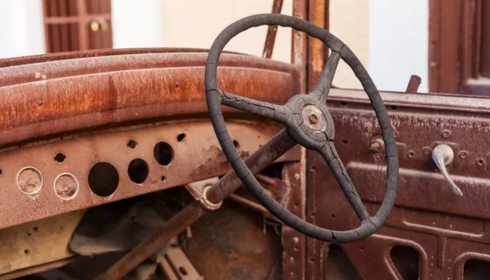

The steering wheel is one of the most frequently touched components inside any vehicle. Drivers use it constantly during every trip, yet many people do not notice gradual steering wheel deterioration until the damage becomes obvious.
As vehicles age, steering wheels commonly develop fading, cracking, looseness, peeling surfaces, and worn controls because of years of continuous use and environmental exposure.
Steering Wheels Experience Constant Contact
Unlike many other interior components, steering wheels are handled during every moment of driving.
Over time, constant contact exposes the wheel to:
- Hand oils
- Sweat
- Friction
- Temperature changes
- Sunlight exposure
Because of this daily stress, steering wheels often show wear earlier than many other interior surfaces.
Driver habits and climate conditions can also strongly affect how quickly deterioration appears.
Sunlight Gradually Damages Steering Wheel Materials
Steering wheels sit directly in front of the windshield, making them highly vulnerable to ultraviolet exposure.
Years of direct sunlight may gradually cause:
- Fading
- Dryness
- Cracking
- Material discoloration
Leather, vinyl, rubber, and synthetic coverings all weaken over time when repeatedly exposed to heat and UV rays.
Vehicles parked outdoors regularly often develop steering wheel damage much faster than those stored in shaded areas or garages.
Leather Steering Wheels Dry Out Over Time
Many modern vehicles use leather-wrapped steering wheels for comfort and appearance.
Without regular conditioning, leather may gradually become:
- Dry
- Brittle
- Rough
- Cracked
Heat buildup inside parked vehicles accelerates this process significantly.
Once cracking begins, the damage often spreads quickly across frequently gripped areas of the wheel.
Oils and Moisture Contribute to Surface Wear
Natural oils and moisture from hands slowly affect steering wheel surfaces over years of use.
Repeated contact may contribute to:
- Peeling coatings
- Sticky surfaces
- Discoloration
- Surface smoothing
In some older vehicles, protective coatings eventually wear away completely, leaving rough or uneven textures behind.
High temperatures may worsen this deterioration by softening materials and weakening adhesives.
Steering Wheel Controls Also Wear Out
Modern steering wheels frequently contain integrated controls for:
- Audio systems
- Cruise control
- Phone functions
- Driver assistance features
As vehicles age, these controls may develop problems involving:
- Worn buttons
- Faded labels
- Electrical failures
- Loose switches
Repeated use combined with dirt and moisture exposure often accelerates wear on steering wheel electronics.
Because these controls are heavily used, button surfaces may become faded or unresponsive over time.
Steering Wheel Looseness Can Develop
In some older vehicles, steering wheels may gradually develop looseness or movement caused by:
- Worn mounting hardware
- Steering column wear
- Internal component fatigue
Drivers may notice:
- Slight wheel play
- Clicking noises
- Vibration during driving
- Reduced steering feel
Although some looseness may begin subtly, steering system wear should always be inspected because it can eventually affect handling and driving safety.
Temperature Extremes Accelerate Deterioration
Hot summers and cold winters both place stress on steering wheel materials.
Heat may cause:
- Surface cracking
- Adhesive weakening
- Material fading
Cold weather may contribute to:
- Material stiffness
- Increased brittleness
- Surface splitting
Vehicles exposed to years of extreme seasonal temperature changes often develop steering wheel wear more rapidly.
Aftermarket Covers Sometimes Hide Damage
Many drivers install steering wheel covers to improve comfort or appearance.
While covers may temporarily protect surfaces, they sometimes conceal underlying wear such as:
- Cracks
- Peeling materials
- Loose wheel surfaces
Improperly fitted covers may also create additional friction that accelerates wear underneath over time.
Steering Wheel Wear Affects Interior Appearance
Even when a vehicle still runs well mechanically, a heavily worn steering wheel may make the interior feel:
- Older
- Less maintained
- Less comfortable
- Less appealing to future buyers
Because drivers interact directly with the steering wheel constantly, its condition strongly influences overall driving experience and interior perception.
Older Vehicles Often Develop Multiple Interior Wear Problems Together
As vehicles age, steering wheel wear frequently appears alongside other interior deterioration such as:
- Dashboard cracking
- Seat damage
- Headliner sagging
- Door panel fading
- Worn shift knobs
When several interior components begin deteriorating together, restoration costs may rise quickly.
This becomes especially challenging for older high-mileage vehicles already dealing with rust, suspension wear, or electrical repairs.
Why Some Owners Delay Interior Repairs
Many drivers postpone steering wheel restoration because the vehicle still operates normally overall.
Owners may tolerate:
- Peeling surfaces
- Faded materials
- Minor cracking
- Cosmetic imperfections
for long periods before considering repairs.
However, interior wear often continues worsening steadily over time.
When cosmetic restoration combines with other aging-related maintenance expenses, continued ownership may become financially difficult to justify.
This is one reason some owners eventually explore alternatives such as Cash For Junk Cars once long-term wear and repair costs begin outweighing the practical value of the vehicle.
Preventative Maintenance Helps Preserve Steering Wheels
Drivers can significantly reduce steering wheel wear through regular care and protection.
Helpful preventative practices include:
- Parking in shaded areas
- Using windshield sunshades
- Cleaning surfaces gently
- Conditioning leather regularly
- Avoiding harsh cleaning chemicals
Routine maintenance often helps preserve both comfort and appearance for much longer.
Final Thoughts
Older vehicles commonly develop steering wheel wear because years of sunlight exposure, friction, hand contact, and material aging gradually weaken surfaces and internal components.
Understanding how steering wheel deterioration develops helps drivers recognize early warning signs and maintain cleaner, more comfortable, and better-preserved vehicle interiors over time.