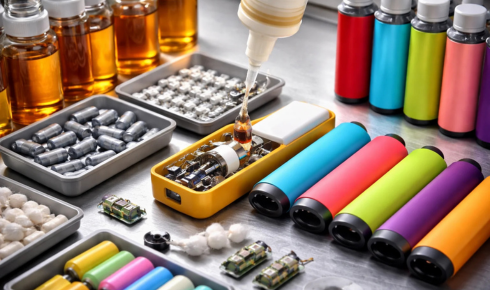
Disposable vapes have changed a lot over the past few years. What started as a simple device with limited features is now becoming part of a smarter, more connected technology trend. Many people expect their everyday devices to be more efficient, easier to use, and more personalized. That expectation is now reaching the vaping industry as well.
Artificial intelligence (AI) is playing a growing role in product design across many industries, and vaping is no exception. While AI is not replacing the user, it is helping manufacturers improve battery management, airflow design, quality control, and overall device performance.
If you’ve ever wondered why newer disposable devices feel more consistent or seem to deliver a smoother experience, AI-driven design is one of the reasons behind that progress.
The Growing Demand for Smarter Disposable Vapes
Disposable vapes have become popular because they are convenient. People want a product that works well without requiring maintenance or complicated settings. However, older designs often had common issues:
- Uneven vapor production
- Battery running out before the e-liquid
- Burnt taste near the end of use
- Inconsistent airflow
- Manufacturing variations between devices
These small problems can affect the overall experience. As users become more familiar with technology, expectations also rise. They expect the same level of consistency from a vape that they receive from smartphones, earbuds, and other portable devices.
Manufacturers have responded by looking beyond traditional engineering methods. Artificial intelligence is becoming a useful tool during product development because it can analyze large amounts of testing data much faster than manual processes.
AI Helps Improve Product Design
Instead of relying only on trial and error, companies can use AI to evaluate thousands of design possibilities.
For example, AI can analyze:
- Coil temperature behavior
- Airflow efficiency
- Battery discharge patterns
- E-liquid consumption
- Heat distribution
By comparing this information, engineers can identify which designs are likely to perform more consistently before building physical prototypes.
This approach helps reduce development time while improving product reliability.
Better Quality Control During Manufacturing
One of the biggest advantages of AI is quality control.
Modern manufacturing systems increasingly use machine learning and computer vision to inspect products during production. Tiny defects that might be difficult for people to notice can often be detected automatically.
For disposable vape manufacturing, AI systems may help identify:
- Improper coil placement
- Seal defects
- Filling inconsistencies
- Battery alignment issues
- Exterior imperfections
The result is greater consistency between devices, which benefits both manufacturers and customers.
How AI Is Influencing Future Vape Technology
Artificial intelligence is not necessarily making disposable vapes “smart devices” in the same way as smartphones. Instead, AI is mostly being used behind the scenes to improve how products are designed, tested, and manufactured.
This creates noticeable improvements for everyday users without adding unnecessary complexity.
Smarter Battery Performance
Battery efficiency remains one of the biggest priorities for disposable vape manufacturers.
AI can analyze thousands of charging and discharge cycles to predict how batteries perform under different conditions.
This information helps engineers design devices that better balance battery capacity with e-liquid volume.
The goal is simple:
- More consistent performance
- Less wasted battery power
- Better use of available e-liquid
- Reduced performance drop over time
Many newer devices, including products from brands such as Kado Bar, continue to reflect this broader industry focus on balancing battery life with puff consistency through ongoing design improvements.
Personalized User Experience Without Complexity
Consumers appreciate products that feel intuitive.
Rather than adding confusing controls, AI can help manufacturers determine which settings work best for the average user.
This includes improving:
- Draw resistance
- Airflow balance
- Vapor consistency
- Flavor delivery
- Overall comfort during use
For example, some Kado Bar Vape models already emphasize features like adjustable airflow or multiple power modes. While these features are controlled by the device itself rather than by AI in real time, artificial intelligence can support the research and testing process that leads to better feature design.
Similarly, manufacturers behind Mr Fog Vape products continue exploring ways to improve device consistency by using advanced engineering and data-driven development methods that align with broader trends in manufacturing technology.
AI Speeds Up Product Testing
Traditional product testing often requires building numerous physical prototypes.
AI changes this process by allowing engineers to simulate thousands of possible situations digitally.
These simulations can estimate how a device may perform under different conditions, including:
- Frequent daily use
- Temperature changes
- Different airflow patterns
- Battery stress
- Coil wear over time
Although real-world testing is still necessary, AI reduces the amount of guesswork during development.
This allows companies to spend more time refining products rather than repeatedly correcting early design issues.
Supporting More Sustainable Manufacturing
Disposable products naturally raise discussions about waste and resource use.
While AI cannot eliminate environmental concerns, it can help manufacturers become more efficient.
Examples include:
- Reducing production waste
- Improving material planning
- Lowering defective product rates
- Optimizing factory operations
- Using manufacturing resources more efficiently
These improvements may reduce unnecessary waste during production while also lowering operating costs.
As sustainability becomes a larger priority across consumer electronics, these manufacturing improvements are becoming increasingly valuable.
Final Thoughts
Artificial intelligence is quietly changing the way disposable vapes are designed. Rather than creating flashy new features, AI is helping manufacturers solve practical problems that users have experienced for years.
Better airflow, improved battery efficiency, stronger quality control, and more reliable performance all begin long before a product reaches store shelves. AI gives engineers better tools to analyze data, test new ideas, and refine designs before production starts.
For consumers, the benefit is simple: devices that work more consistently and deliver a smoother overall experience.
As technology continues to evolve, brands across the vaping industry—including Kado Bar, Kado Bar Vape, and Mr Fog Vape—are likely to benefit from smarter design processes that focus on reliability, convenience, and everyday usability. While artificial intelligence remains largely behind the scenes, its influence on future disposable vape development will likely continue to grow through improved engineering, manufacturing, and product innovation.