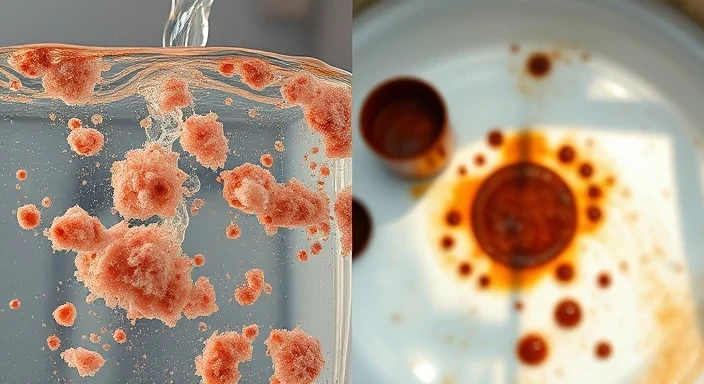
You don’t usually think much about water when everything is working as it should. You fill a glass, wash the dishes, take a shower, and get on with your day. But when reddish stains appear around the sink, taps become difficult to clean, or the water suddenly looks milky, it’s hard not to wonder what’s going on.
These changes can be frustrating, especially when they keep returning despite your best efforts. You might scrub the bathroom on Saturday only to find fresh marks by Wednesday. Or perhaps your drinking water looks different after heavy rain, leaving you unsure whether it’s safe to use.
The good news is that many water quality issues have identifiable causes and practical solutions. The important part is knowing what you’re dealing with before buying equipment or trying a home remedy. Water that looks unpleasant isn’t necessarily dangerous, but water that looks perfectly clear isn’t automatically safe, either.
When Iron Becomes More Than a Cosmetic Problem
Iron occurs naturally in soil and rock, which means it can enter groundwater as water moves through underground formations. In some areas, particularly those that rely on borewells or private wells, elevated iron levels can become a persistent household concern.
You may first notice rusty-orange marks around taps, sinks, toilets, or laundry. Water can sometimes appear yellowish or reddish after exposure to air, and metallic flavours may make drinking water less appealing. Iron deposits can also stain clothing and make cleaning feel like a never-ending task.
A less familiar issue involves bacterial iron, commonly associated with iron bacteria that use iron in their environment and can produce reddish-brown slime or deposits. These organisms may create unpleasant odours, clog plumbing components, and form gelatinous material in wells or storage systems. Their presence doesn’t automatically mean disease-causing bacteria are present, but it can signal a water management problem that deserves attention.
If you notice slimy deposits, recurring stains, or an unusual smell in well water, avoid assuming that ordinary iron filtration will solve everything. Testing can help distinguish dissolved iron, particulate iron, and possible bacterial involvement. A qualified water professional can recommend appropriate treatment based on the results.
Depending on the water chemistry, treatment may involve oxidation followed by filtration, specialised iron-removal media, or other methods. Where bacterial growth is involved, well cleaning and disinfection may also be necessary. Simply installing a filter without addressing the underlying cause can lead to disappointing results.
Why Mineral Deposits Keep Coming Back
Have you ever cleaned a showerhead thoroughly, only to see the little holes become blocked again a few weeks later? The culprit may be mineral-rich water.
Calcium and magnesium are the main minerals responsible for water hardness. As water evaporates or is heated, these minerals can leave behind solid deposits on fixtures, heating elements, and other surfaces. The marks often appear white or chalky, although their exact appearance depends on the water’s composition.
Over time, mineral buildup and clogs can become more than a cleaning nuisance. Scale may restrict water flow through small openings, reduce the performance of showerheads, and interfere with heat transfer in appliances such as water heaters. The extent of the problem depends on water hardness, temperature, usage, and equipment design.
For everyday cleaning, a suitable descaling product may help remove deposits from compatible surfaces. Always follow the product instructions and check whether the material can tolerate acidic cleaners. Natural stone, certain finishes, and some metals can be damaged by products that work perfectly well on ceramic or glass.
Prevention is usually more effective than repeatedly scrubbing the same areas. If testing confirms significant hardness, a properly sized water softener may reduce calcium and magnesium before they enter household plumbing. It can help control scale, though it isn’t designed to remove every contaminant.
Another important point: water softening and water purification aren’t interchangeable. A softener addresses hardness, while other treatment systems target different substances. Choosing the right equipment starts with understanding the problem, not simply selecting the product with the longest list of features.
What Cloudy Water Can Tell You
A glass of water that looks hazy can be unsettling, particularly when you’re used to seeing it run clear. Sometimes the cause is harmless and temporary. Other times, the change deserves a closer look.
Cloudy water can result from tiny air bubbles, suspended sediment, mineral particles, or disturbances in the plumbing system. If the cloudiness comes from air, water in a clear glass will often become transparent from the bottom upward as the bubbles rise and disappear. This commonly happens after changes in pressure or temperature.
Sediment behaves differently. It may settle at the bottom of the glass, remain suspended, or give the water a brownish or yellowish tint. Disturbances in pipes, work on the water supply, or heavy rainfall affecting a private well can sometimes introduce particles into the water.
Don’t assume that every cloudy appearance is harmless, though. If the water changes suddenly, develops an unusual smell, contains visible particles, or remains discoloured, contact your water supplier or arrange appropriate testing. Follow any local advisory about whether the water should be used for drinking, cooking, or other purposes.
Boiling isn’t a universal fix for cloudy water. It can kill many disease-causing microorganisms when done correctly, but it won’t remove most dissolved chemicals or metals. In some circumstances, boiling can actually concentrate certain dissolved substances as water evaporates. That’s why identifying the cause matters.
For homes using private wells, testing is especially important because water quality can change with weather, groundwater conditions, and nearby land use. A clear glass is reassuring in one sense, but appearance alone cannot establish safety.
Finding the Right Treatment for Your Water
Once you know what is causing the issue, choosing a treatment system becomes much more straightforward. The right solution depends on your water source, the substances present, the volume of water your household uses, and your budget.
If iron is staining fixtures, ask about systems designed for the specific form and concentration of iron in your supply. If hardness is the main concern, a water softener may be suitable. If sediment is making the water appear dirty, a properly selected sediment filter might help, although it won’t address dissolved contaminants.
For drinking water, consider a filter or purification system with verified performance against the contaminants identified in your test results. Activated carbon can improve taste and reduce certain compounds, while reverse osmosis can reduce many dissolved substances when the equipment is appropriately selected and maintained. Neither technology should be treated as a guarantee against every possible water quality issue.
Before purchasing, compare installation costs, filter replacement schedules, servicing requirements, and expected operating expenses. Ask providers to explain what their systems remove and what they leave behind. Clear, specific answers are more useful than broad promises about perfect water.
Maintenance Matters More Than You Might Think
Even a good treatment system can underperform when it’s neglected. Filters need replacement, tanks require appropriate cleaning, and some systems need periodic adjustments or professional servicing.
Keep a record of maintenance and pay attention to changes in water flow, colour, taste, and smell. If a familiar problem returns soon after treatment, don’t automatically assume the equipment is defective. The system may be incorrectly sized, the water chemistry may have changed, or another part of the plumbing may be contributing to the issue.
Private wells deserve particular care. Regular testing, sanitary protection around the wellhead, and prompt investigation of changes can help identify problems before they become more serious.
Better Water Begins With Better Information
Rusty stains, stubborn scale, and unusual cloudiness can make ordinary household routines surprisingly difficult. But the answer isn’t always a costly new system or a complicated treatment setup.
Start by observing the symptoms, testing the water when appropriate, and matching the treatment to the actual cause. A little investigation can save money, protect household equipment, and help you make more confident decisions about the water your family uses.
You don’t need to become a water chemistry expert overnight. You just need enough reliable information to ask the right questions and choose a sensible next step. That’s often where better water begins.