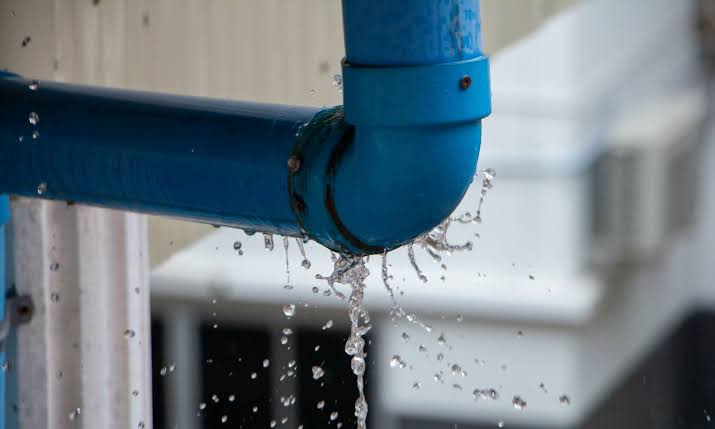
Water showing up inside a building can create an immediate sense of urgency. A stained ceiling, damp wall, peeling paint, or puddle near a window may seem to point directly to the problem, but the visible damage is often only the final stop in a much longer water pathway.
For homeowners, property managers, and HOA boards, identifying where water actually enters the building can be just as important as repairing the resulting damage. A diagnostic-first approach can reduce guesswork and help property owners focus repairs on the underlying cause rather than the most obvious symptom.
Why Water Leaks Can Be Difficult to Trace
Buildings contain numerous interconnected exterior systems designed to keep water outside. Roofing materials, flashing, windows, doors, balconies, stucco, waterproof membranes, drainage components, and wall assemblies all play a role.
When one component fails, water does not necessarily travel straight down from the point of entry. It may move along framing, follow pipes or structural components, collect behind exterior finishes, or migrate across a ceiling before becoming visible.
For example, moisture appearing around a first-floor window does not automatically mean the window itself is leaking. Water could potentially be entering through an exterior wall several feet above it. Likewise, a ceiling stain near the edge of a room might originate from a roof penetration located elsewhere.
This is why simply repairing the area where moisture becomes visible can sometimes leave the original problem unresolved.
Common Areas Where Water Intrusion Begins
Every property is different, but certain parts of a building tend to deserve particular attention when unexplained moisture appears.
Roofs and Flashing
Roofing systems contain many transition points, including vents, drains, parapets, edges, and penetrations. These areas depend on proper installation and waterproofing details to direct water away from the building.
A small weakness can allow water underneath roofing materials, where it may travel before reaching the interior.
Exterior Walls
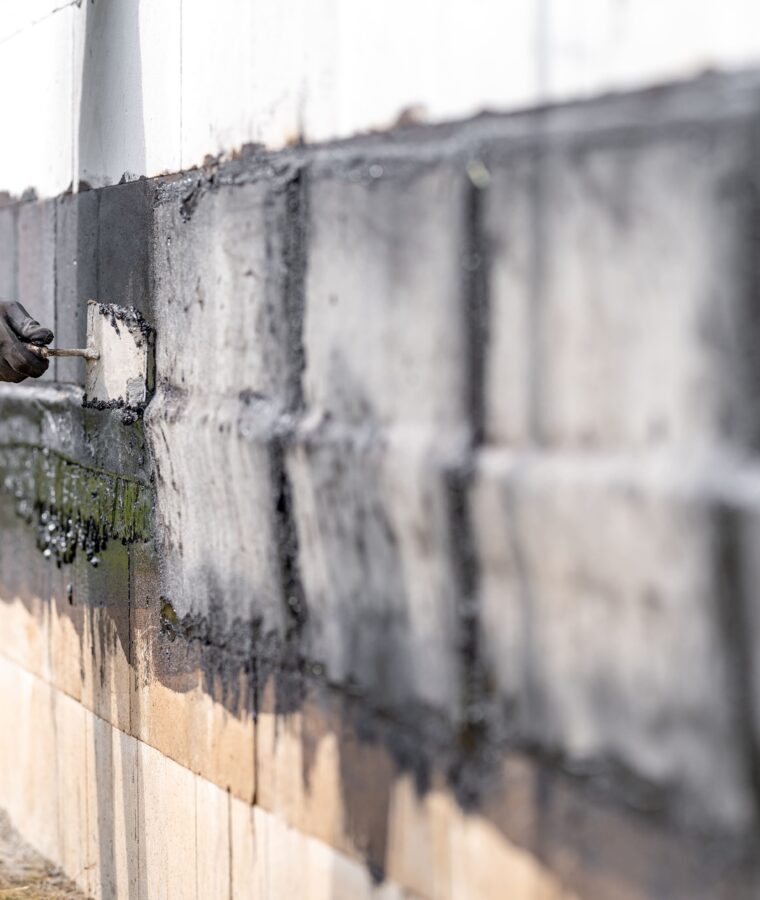
Cracks, deteriorated sealants, aging coatings, and gaps around exterior penetrations can create possible entry points. Water entering a wall assembly may remain hidden for some time before interior symptoms become obvious.
Windows and Doors
Openings in exterior walls require carefully designed flashing and sealing. Moisture around a window can originate from the window assembly itself, but it can also come from surrounding walls or components located above the opening.
Balconies and Elevated Surfaces
Balconies are exposed to weather while also containing transitions, drains, railings, door thresholds, and waterproof surfaces. Problems in any of these areas can allow moisture to reach adjacent walls or spaces below.
Drainage Systems
Even a properly waterproofed exterior can experience problems when water is not directed away efficiently. Blocked drains, poor slopes, or inadequate drainage paths can cause water to collect where it was never intended to remain.
Why Diagnosis Should Come Before Major Repairs
When the source of a leak is uncertain, immediately replacing materials can become an expensive form of trial and error. A contractor might repair a window, replace a section of roofing, or reseal an exterior wall only for the leak to return during the next significant rain.
Diagnostic testing attempts to narrow down the possibilities before substantial repairs begin.
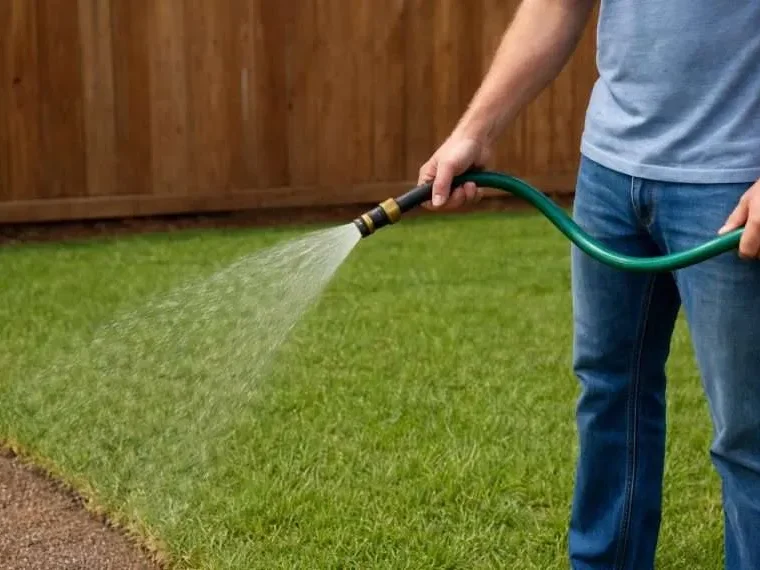
Depending on the building and symptoms, an evaluation may involve examining likely entry points, reviewing drainage patterns, checking exterior assemblies, and applying controlled amounts of water to selected areas while monitoring the interior.
Property owners dealing with persistent or unexplained moisture can learn more about the diagnostic approach through water intrusion testing by Exterior Systems Construction, particularly in situations involving roofs, walls, balconies, and other exterior building components.
The purpose of testing is not simply to confirm that a building leaks. If water is already appearing indoors, that may be obvious. The more useful question is how the water is getting there.
Signs That a Property May Need Further Investigation
Some leaks are dramatic, while others develop gradually. Property owners and managers should pay attention to recurring or unexplained changes in the building rather than waiting for significant water accumulation.
Potential warning signs include:
- Water stains that return after repainting or repairs
- Bubbling, peeling, or discolored interior paint
- Damp areas around windows or exterior doors
- Moisture appearing below balconies or roof areas
- Interior damage that occurs only during wind-driven rain
- Repeated leaks despite previous repair attempts
- Cracking or deterioration around exterior transitions
- Water collecting where drainage should normally carry it away
The pattern can provide useful information. A leak that occurs during every rain may have a different cause from one that appears only when wind pushes rain against a particular side of the building.
Documenting when and where symptoms appear can therefore help during the diagnostic process.
A More Systematic Approach to Recurring Leaks
When water intrusion keeps returning, treating the building as a complete system is often more useful than concentrating exclusively on the damaged interior area.
Start by documenting the problem. Photographs, dates, weather conditions, and the approximate duration of each incident can reveal patterns over time.
Next, inspect the surrounding exterior rather than assuming the nearest visible component is responsible. Consider what is located above and around the affected area, including roof edges, balconies, windows, wall penetrations, and drainage components.
Testing can then be performed methodically. Isolating different areas makes it easier to determine which component is associated with the intrusion. Testing too many areas simultaneously can make the results difficult to interpret.
Once the likely source has been identified, repairs can be planned around the actual failure point. Afterward, follow-up testing may help determine whether the repair addressed the original pathway.
This sequence—document, inspect, isolate, test, repair, and verify—provides a structured alternative to repeatedly replacing materials based primarily on assumptions.
The Value of Early Investigation for Managed Properties
Water intrusion can become particularly complicated in multifamily buildings, condominium communities, and other managed properties. A leak affecting one unit may originate from a common exterior component or another portion of the structure.
Property managers and HOA boards also have to make repair decisions that affect budgets, schedules, residents, and long-term maintenance plans. Knowing the likely source of the problem can make it easier to define the scope of work and communicate why a particular repair is being considered.
Early investigation can also help create useful documentation. When multiple leaks occur over time, records showing their locations, conditions, testing, and completed repairs can help managers identify recurring patterns across a property.
Conclusion
Visible water damage tells a property owner that something is wrong, but it does not always reveal where the problem began. Because moisture can travel through roofing, walls, framing, balconies, and other building components, repairing only the obvious symptom may not resolve the underlying issue.
A more deliberate process focuses first on identifying the path water is taking through the building. Careful inspection, documentation, controlled testing, targeted repairs, and verification can help reduce unnecessary guesswork.
Whether the property is a single-family home, multifamily community, or commercial building, understanding the source of water intrusion provides a stronger foundation for deciding what should be repaired and how the exterior system can be better protected in the future.