When you walk into your living room on a warm, sunny afternoon, take a deep breath, and immediately start sneezing, you might wonder what is actually floating around in your living space. Dust is the obvious suspect, but it is rarely acting alone. Deep inside your heating, ventilation, and air conditioning system lies a whole ecosystem of microscopic particles, pet dander, pollen, and humidity-loving microbes. Many homeowners assume that a standard cleaning takes care of everything, but there is a major difference between getting rid of visible dirt and actually neutralizing invisible microbial growth. Understanding the distinction between clearing out debris and targeted treatment is essential for maintaining fresh, healthy indoor air.
What Air Duct Cleaning Actually Does
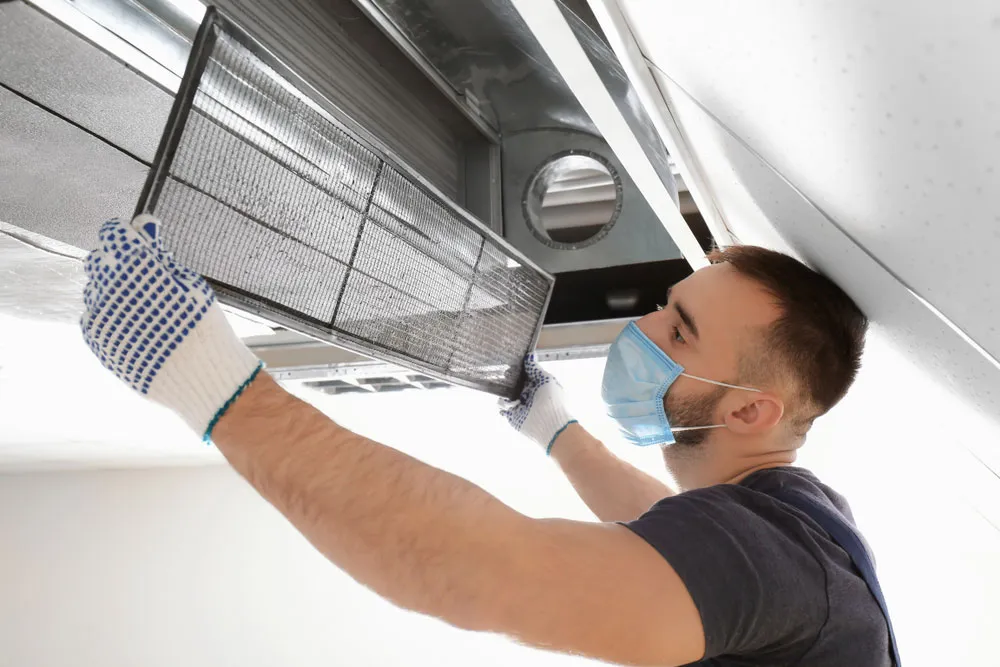
Think of basic air duct cleaning as the heavy-duty sweep and vacuum phase for your entire mechanical system. Over months and years of continuously circulating air through your home, your supply and return vents accumulate a surprising amount of solid matter. Dust, lint, pet hair, drywall powder from past renovations, and even stray construction debris sit inside the metal trunk lines and flexible ducts. A professional technician uses specialized high-powered vacuum equipment, rotary brushes, and air whips to physically dislodge these stubborn contaminants and pull them completely out of your home.
The main objective here is restoring mechanical efficiency and removing physical blockage. When dust coats the interior surfaces of your ductwork and builds up on the blower wheel or evaporator coil, your system has to work twice as hard to push air through the house. Physical cleaning removes that strain, improves airflow, and stops heavy dust from continually blowing back out into your living rooms every time the furnace or air conditioner kicks on.
The Role of Air Duct Sanitizing in Indoor Air Quality
While physical cleaning removes the solid debris you can see, it does not necessarily eliminate microscopic living organisms that have made themselves at home in dark, humid corners of your HVAC system. This is where air duct sanitizing comes into play. Sanitizing is a specialized follow-up process that uses EPA-registered antimicrobial formulas, misted or fogged directly into the air distribution network, to neutralize bacteria, mold spores, fungi, and lingering odor-causing microbes on contact.
If your system has experienced moisture intrusion, high indoor humidity, or persistent musty smells, simply removing dust will not fix the underlying air quality issue. Microbes can cling to the porous interior insulation of flex ducts or settle into tiny crevices in metal duct joints. Applying a tailored sanitizing agent ensures that those invisible particles are neutralized, preventing spores from recolonizing the fresh surfaces right after a mechanical cleaning.
Key Differences Every Property Owner Should Recognize
The easiest way to conceptualize the difference is to compare it to kitchen maintenance. Cleaning your kitchen counter means wiping away breadcrumbs, flour, and coffee spills with a damp cloth. Sanitizing means applying an EPA-approved spray afterward to kill off invisible foodborne bacteria so the surface is genuinely hygienic. You cannot effectively sanitize a counter that is still covered in dirt, and simply wiping away crumbs leaves bacteria behind.
In your HVAC system, mechanical cleaning and antimicrobial treatment perform two entirely distinct roles. Duct cleaning addresses volume, airflow obstruction, and visible contamination. Sanitizing addresses biological growth, microbial spore counts, and deep-seated odors caused by moisture or past pest activity. For property owners dealing with unexplained allergy flare-ups or stubborn stale smells, relying on mechanical removal alone often leaves half the job unfinished.
When Do You Need Cleaning Versus Sanitizing
Not every maintenance visit requires an antimicrobial treatment, but certain situations make it essential. A standard mechanical cleaning is usually sufficient for routine maintenance every few years, after light remodeling work, or when moving into a newly purchased home that has sat empty. It is all about resetting the baseline cleanliness of the air distribution network and easing the strain on your blower motor.
On the other hand, sanitizing becomes necessary the moment moisture or organic contaminants enter the picture. If your air conditioner drain pan has ever backed up, if you have discovered mold growth near your supply registers, or if a rodent managed to nest in your attic ductwork, sanitizing is non-negotiable. It is also ideal for homes with household members who suffer from severe respiratory sensitivities, compromised immune systems, or persistent seasonal allergies that worsen when the HVAC system runs.
How Technicians Perform These Services Safely
A proper service always follows a strict logical sequence to protect your living space and preserve your equipment. A technician will first conduct a thorough inspection of the system, checking the supply trunks, return cavities, blower housing, and filter racks. Once the system is sealed under negative pressure, high-velocity air tools dislodge debris into the collection vacuum, ensuring no dust escapes into your rooms during the process.
Only after the duct interior is completely clear of physical debris does the application of antimicrobial solutions begin. Technicians use specialized ultra-low volume foggers to disperse fine particles of the sanitizing agent throughout the entire duct network. This mist coats the inner walls without oversaturating porous materials, ensuring comprehensive coverage that kills active spores and bacteria while leaving behind zero harsh or dangerous chemical residues.
Taking Control of Your Indoor Environment
Maintaining clean, high-performing ductwork is one of the most effective steps you can take to safeguard indoor air quality and protect your heating and cooling equipment from unnecessary wear. Whether you are battling constant dust buildup, trying to eliminate a mysterious musty odor, or simply aiming to optimize system performance before the peak season hits, addressing both physical debris and biological growth ensures a healthier atmosphere for everyone inside. Reach out to a qualified HVAC specialist today to schedule a thorough inspection, evaluate your duct system, and restore clean, refreshing air to your space.