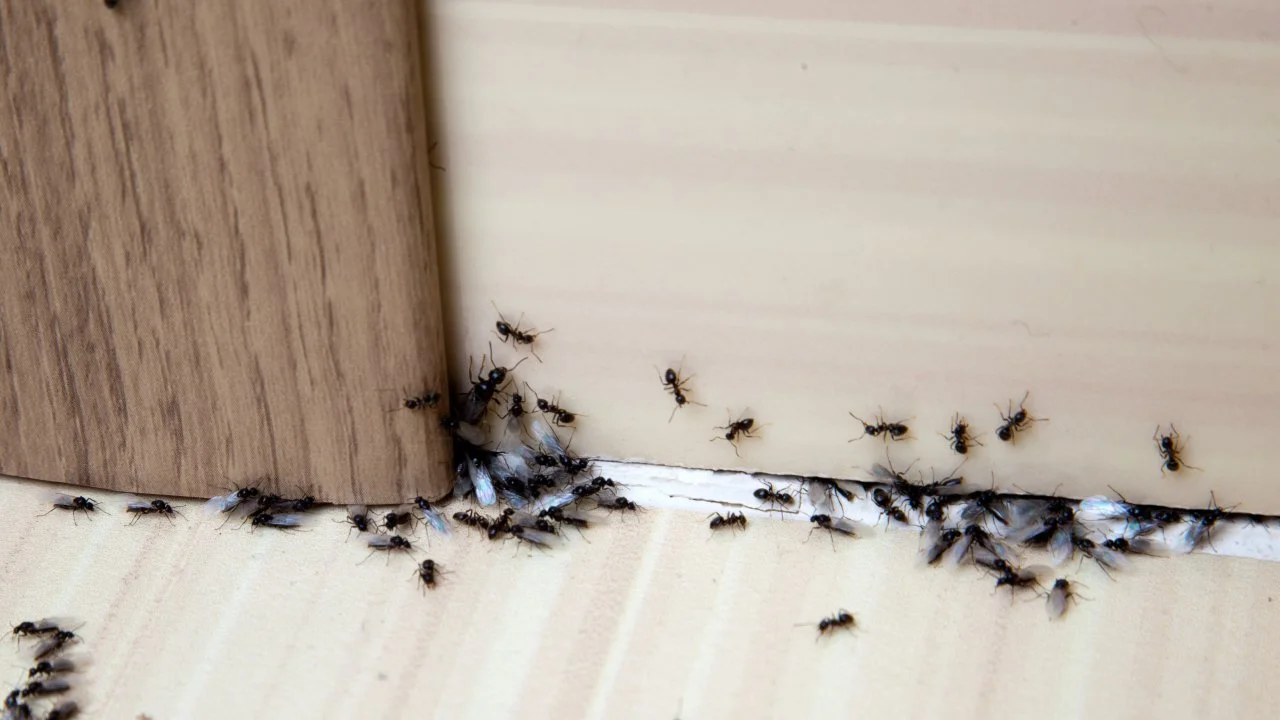
There are few things more frustrating than opening a pantry cabinet to find a trail of ants marching across the shelf toward an open bag of sugar or a forgotten crumb. Kitchen ant problems are incredibly common, and while chemical ant sprays offer a quick knockdown, they come with real downsides in a space where you prepare food, including lingering residue and the fact that spraying visible ants often does nothing to address the colony sending them in the first place.
Natural approaches to kitchen ant control tend to be more effective long term because they address the underlying reasons ants are showing up rather than just killing the scouts you happen to see.
Why Ants Show Up in the First Place
Ants enter kitchens searching for three things: food, water, and shelter, usually in that order of priority. A few crumbs left on a counter, a sticky spill under the toaster, or pet food left out overnight can be enough to trigger a scout ant to lay down a pheromone trail leading the rest of the colony straight to your kitchen. Understanding this signal is important, because as long as that pheromone trail remains, more ants will keep following it even after you have cleaned up the original food source.
Cleaning as Prevention
• Wipe down counters and stovetops daily, paying special attention to spots behind appliances
• Store sugar, flour, cereal, and other pantry staples in airtight containers rather than their original bags
• Take out kitchen trash regularly and rinse recyclables before storing them
• Clean pet food bowls after each feeding rather than leaving food sitting out all day
Breaking the Pheromone Trail
A mixture of equal parts water and white vinegar wiped along countertops, baseboards, and any visible ant trail effectively erases the pheromone signal that ants leave for each other, disrupting their ability to navigate back to your kitchen even if a few scouts still find their way in. This is one of the simplest and most immediately effective steps in breaking an active kitchen ant problem.
Natural Deterrents Ants Avoid
• Cinnamon sprinkled along entry points, which many ants avoid due to its strong scent
• Peppermint essential oil diluted in water and sprayed around windowsills and doorframes
• Citrus peels rubbed along baseboards, since the d-limonene in citrus oil disrupts ant scent trails
• Coffee grounds placed near entry points, which some gardeners and homeowners use as a natural repellent
Addressing the Colony, Not Just the Scouts
Deterrents and cleaning address the symptoms, but eliminating an actual ant problem usually requires dealing with the colony itself, which is often hiding somewhere you cannot see, behind a wall, under a slab, or outside near the foundation. A Borax ant killer bait strategy works by letting worker ants carry a slow-acting substance back to the colony and share it with the queen and the rest of the population, addressing the root of the problem rather than just the ants you happen to see crossing your counter.
Different Ant Species Behave Differently
Not all kitchen ants respond to the same treatment approach, and correctly identifying the species you are dealing with can save significant time and frustration. Odorous house ants, one of the most common kitchen invaders, emit a distinct rotten coconut smell when crushed and are drawn heavily to sweets. Carpenter ants, larger and darker, are more concerned with structural wood and protein sources, and their presence can sometimes indicate a moisture problem in your home that needs separate attention beyond ant control alone.
The Seasonal Pattern of Kitchen Ant Problems
Many households notice ant activity spikes specifically in early spring and again in late summer, patterns tied to colony growth cycles and outdoor food availability. Understanding that these surges are often temporary and tied to broader seasonal patterns, rather than a sign that your cleaning routine has failed, can help set realistic expectations and reduce the frustration of feeling like the problem keeps returning despite your best efforts.
Sealing Entry Points
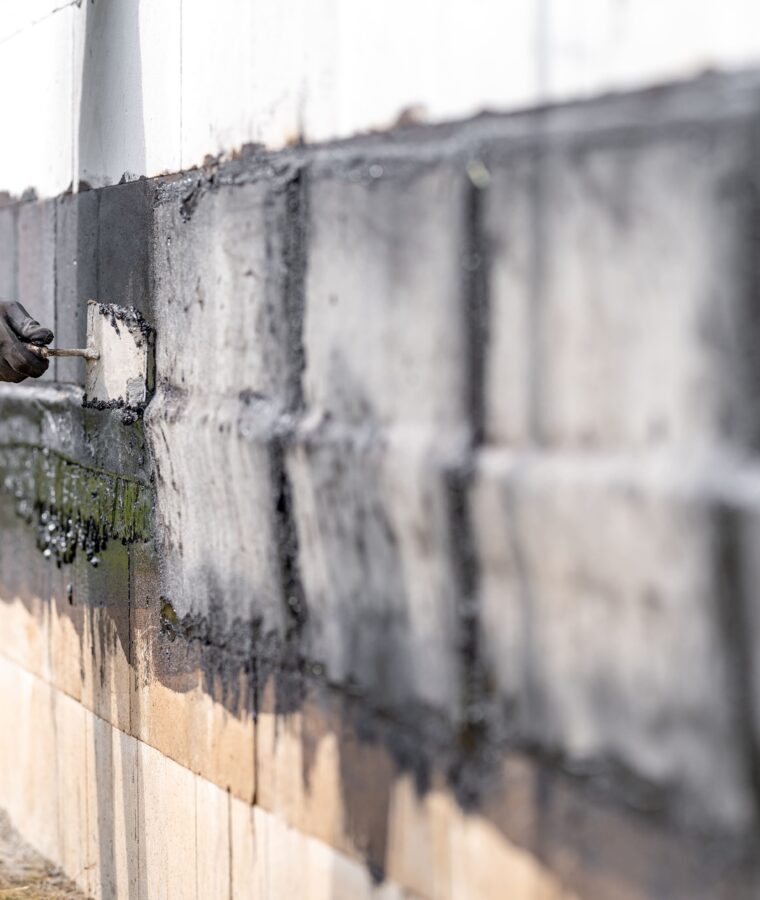
Ants can enter through gaps as small as a sixteenth of an inch, which means even a well-maintained kitchen can have entry points you have never noticed. Caulking small gaps around baseboards, window frames, and where pipes enter through walls closes off these access points permanently, providing a long-term barrier that no spray or bait alone can replicate.
Understanding Ant Colony Structure
Grasping the basic structure of an ant colony helps explain why so many quick-fix approaches fail. A single colony can contain thousands of worker ants but often just one or a small handful of queens responsible for all reproduction. Killing visible worker ants, whether through a spray or squashing them directly, has essentially no long-term effect on colony size, since workers are easily replaced as long as the queen remains alive and productive. This is precisely why bait-based strategies that reach the queen tend to outperform contact-kill methods for achieving lasting results.
Natural Repellents for Persistent Areas
Some spots in a kitchen seem to attract ant activity no matter how thoroughly you clean, often areas near water sources like under the sink or around the dishwasher. For these persistent trouble spots, a stronger and more frequently reapplied natural deterrent, whether a concentrated peppermint spray or a barrier of food-grade diatomaceous earth in areas away from food prep surfaces, provides additional protection beyond general kitchen cleanliness alone.
Dealing With Ants Around Pet Food
Pet food bowls are one of the most common ant attractants in a kitchen, since dry kibble left out for hours provides an easy, reliable food source ants readily exploit. Placing your pet’s food bowl inside a wider shallow dish filled with soapy water creates a simple moat that ants cannot cross, allowing your pet to eat normally while completely blocking ant access to the food. This low-effort solution works particularly well for households that free-feed pets throughout the day rather than removing food after each meal.
Ants in the Bathroom
While kitchens get most of the attention in ant control discussions, bathrooms present their own version of the problem, since ants are often drawn to moisture as much as food. A leaky pipe or consistently damp area under a sink creates an appealing environment for certain ant species even without any food source present. Addressing plumbing leaks promptly and keeping bathroom surfaces dry removes this secondary attraction, working alongside your kitchen-focused ant control efforts for a more complete solution across your entire home.
Outdoor Prevention Around Your Home’s Perimeter
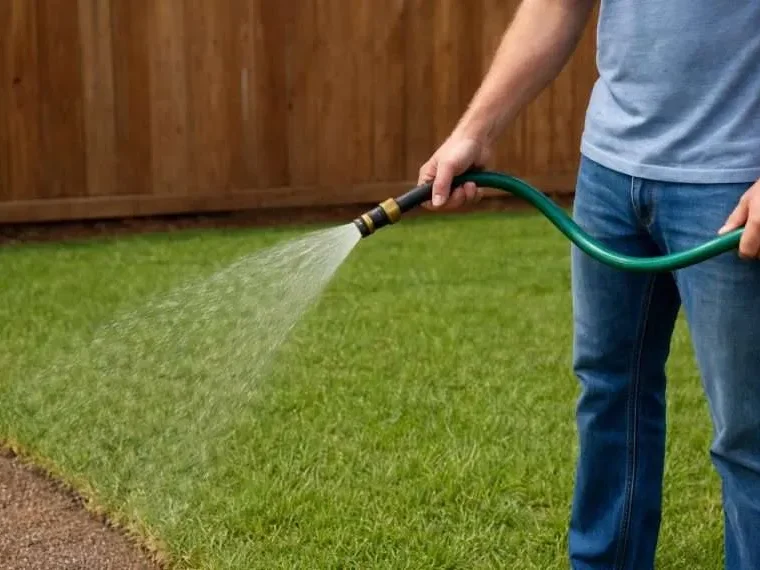
Since kitchen ant problems almost always originate from an outdoor colony, addressing conditions around your home’s foundation reduces the pressure pushing ants indoors in the first place. Trim back plants and mulch that touch your home’s exterior walls, since dense vegetation right against the foundation creates an easy bridge for ants to travel from soil to siding. Fix any standing water issues near the foundation as well, since consistent moisture attracts several common ant species looking for a reliable water source.
Patience Is Part of the Process
Natural ant control methods generally take longer to show full results than a chemical spray that kills on contact, and this delay is actually part of how bait-based approaches work effectively. Give any bait-based strategy at least one to two weeks before judging its effectiveness, since it needs time to be carried back to the colony and distributed before you see a real reduction in overall ant activity.
What to Do If Natural Methods Are Not Enough
For particularly stubborn or large-scale ant infestations, natural methods sometimes need reinforcement from a professional pest control service, particularly if the colony has established itself somewhere structural like inside a wall void. There is no failure in reaching this point after giving natural methods a genuine try. Even then, many pest control professionals now offer lower-toxicity treatment options, and the cleaning, sealing, and prevention habits covered here remain valuable regardless of what treatment approach ultimately resolves an especially persistent infestation.
Maintaining a Long-Term Ant-Free Kitchen
Once an active ant problem has been resolved, maintaining a consistent cleaning routine, keeping food properly sealed, and doing a periodic check of your home’s exterior for new entry points prevents the cycle from starting over again. A kitchen that stays clean and dry, with no easy food sources left available, is simply a much less appealing target for scout ants looking for their colony’s next meal. Building these habits into your regular routine, rather than treating them as a one-time fix after an infestation, is what separates a temporary win from a genuinely long-term solution.
Dealing with kitchen ants naturally takes a bit more patience than reaching for a spray can, but it addresses the actual source of the problem rather than offering a temporary fix that lets the colony rebuild and send scouts right back in a few weeks later. Stick with the combination of cleaning, trail-breaking, sealing, and bait, and most households find their kitchen ant problems become a rare, easily managed occurrence rather than a recurring seasonal battle.