Hard water is one of those things that slowly becomes part of your daily routine without you realizing it. You wipe down the bathroom tap, and a few days later, those white marks are back. Glassware looks cloudy, showerheads become clogged, and cleaning products don’t seem to work as well as they should. It can be frustrating, especially when you’re already spending time trying to keep your home in good shape.
The problem usually comes from naturally occurring minerals, mainly calcium and magnesium, dissolved in the water. While these minerals aren’t generally a health concern, they can create plenty of maintenance issues around the house. Understanding how hard water behaves and what you can do about it makes a real difference.
Why Hard Water Creates So Much Residue
When water containing dissolved minerals evaporates, it leaves behind mineral deposits on surfaces. This is why sinks, faucets, shower doors, and kitchen appliances often develop chalky marks that regular cleaning doesn’t seem to prevent for long.
The same thing can happen inside plumbing systems. As minerals accumulate, they may restrict water flow or interfere with the performance of appliances that heat water. Water heaters, dishwashers, washing machines, and coffee machines are particularly exposed because they use water regularly.
Over time, these deposits may contribute to increased maintenance costs and reduced appliance efficiency. A problem that begins with a few spots on the bathroom mirror can eventually become something worth addressing throughout the home.
Understanding Your Water Before Choosing a Solution
Not every home has the same water quality. Some properties receive relatively soft water, while others have mineral concentrations high enough to create noticeable scaling within weeks.
Checking water hardness levels is a useful starting point. A water test can measure the amount of dissolved calcium and magnesium and help determine whether treatment is necessary. It also prevents homeowners from investing in equipment they may not need.
Testing can be done using basic hardness strips or through a more detailed water analysis. If you’re noticing frequent mineral deposits, poor soap performance, or unusual appliance buildup, testing gives you a clearer picture of what’s happening rather than relying on guesswork.
How Water Softening Helps Reduce Mineral Deposits
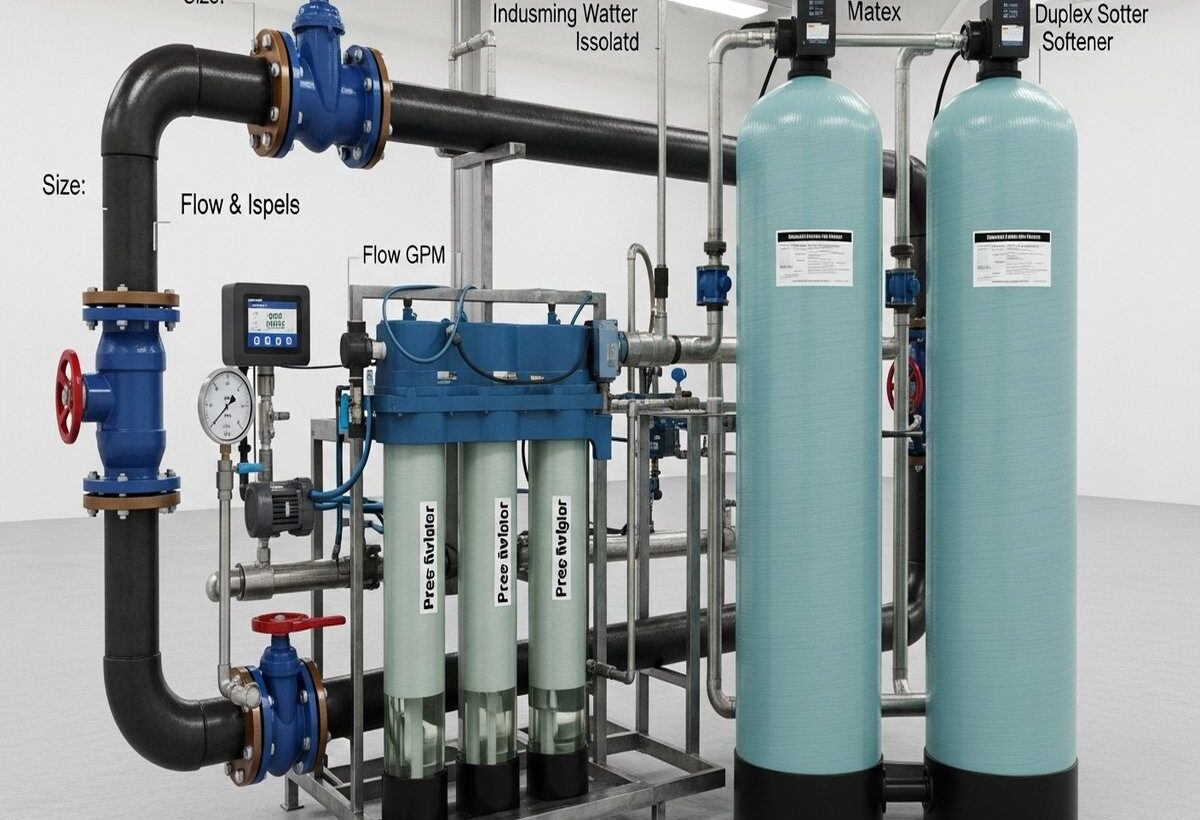
For households dealing with persistent hardness, softening can be an effective way to address the underlying problem. Conventional softeners use an ion-exchange process to remove calcium and magnesium from the water before it travels through household plumbing.
When people look for ways to reduce hard water scale with softening, they’re often trying to solve several problems at once. They want cleaner bathroom surfaces, fewer deposits in appliances, easier laundry care, and less time spent scrubbing stubborn residue.
Softened water can help soap and detergents work more effectively, meaning you may not need to use as much cleaning product in certain situations. It can also help limit the formation of new mineral scale in water-using equipment.
That said, existing deposits may still need to be cleaned manually. Softening the water helps prevent further accumulation, but it doesn’t instantly remove years of scale from pipes or fixtures.
Finding the Right Softener for Your Household
Choosing equipment isn’t just about buying the largest unit available. Household size, daily water consumption, hardness levels, plumbing layout, and maintenance preferences all matter.
There are several water softeners for homes available, including traditional salt-based systems and alternative conditioning technologies. Salt-based units are commonly used when actual hardness reduction is the priority. Other systems may help control scale formation without removing minerals in the same way.
It’s important to understand the difference before purchasing. Some conditioners leave calcium and magnesium in the water, while conventional softeners remove these hardness minerals through ion exchange. Their results and applications aren’t necessarily identical.
A properly sized system can provide consistent performance without unnecessary regeneration cycles or excessive operating costs.
Everyday Benefits You May Notice
Once water hardness is properly managed, many everyday activities can become easier. Soap may lather more readily, bathroom surfaces can require less frequent deep cleaning, and glassware may look clearer after washing.
Laundry is another area where people often notice changes. Hard water can interfere with detergent performance and contribute to mineral deposits in fabrics. Softer water may help clothes feel less stiff, although washing results also depend on detergent, temperature, and fabric type.
Your appliances may benefit too. Limiting scale accumulation inside water heaters and other equipment can help reduce one source of unnecessary wear. Routine maintenance remains important, of course, but prevention is usually easier than dealing with heavy deposits later.
A Better Approach to Household Water
Hard water doesn’t need to become an ongoing source of frustration. The key is understanding your water quality, identifying the actual problem, and choosing a treatment that fits your home’s needs.
Rather than focusing only on the visible white stains, consider what’s happening inside your plumbing and appliances as well. A suitable water treatment system can help protect household equipment, simplify cleaning, and make everyday water use more convenient.
Sometimes the best improvement is one you barely notice because things simply work the way they should. That’s what better water quality can bring to a home—less hassle, fewer recurring problems, and a little more time for the things that matter.