There comes a point when buying another case of bottled water starts feeling like more trouble than it’s worth. Between carrying heavy packages, finding somewhere to store them, and dealing with empty plastic bottles, the whole routine can become tiresome. Wouldn’t it be easier to have pleasant-tasting water available whenever you need it?
For homeowners in Aledo, Texas, exploring filtered drinking water solutions can be a practical step toward improving everyday convenience and addressing specific water quality concerns.
Reverse osmosis is particularly interesting because it offers more extensive treatment of dissolved substances than many basic household filters. But before investing in equipment, it’s worth understanding how the technology fits into your kitchen, your budget, and your family’s daily habits.
Start With What’s Actually in Your Water
People choose drinking water filtration for all sorts of reasons. Some dislike the chlorine taste associated with municipal water, while others are concerned about dissolved minerals or specific contaminants.
The trouble with selecting equipment based entirely on taste is that water quality isn’t always something you can judge with your senses.
Reviewing your water supplier’s quality reports or arranging appropriate laboratory testing can provide a clearer picture.
Once you understand what’s present in your water, comparing treatment options becomes much easier.
Perhaps activated carbon filtration is sufficient for your concerns. Or maybe membrane-based treatment would be more appropriate. Either way, reliable information helps you avoid purchasing equipment you don’t really need.
Planning an Installation That Works With Your Kitchen
Kitchen cabinets can be surprisingly crowded places. Between cleaning products, spare sponges, and plumbing connections, finding room for filtration equipment sometimes takes a little creativity.
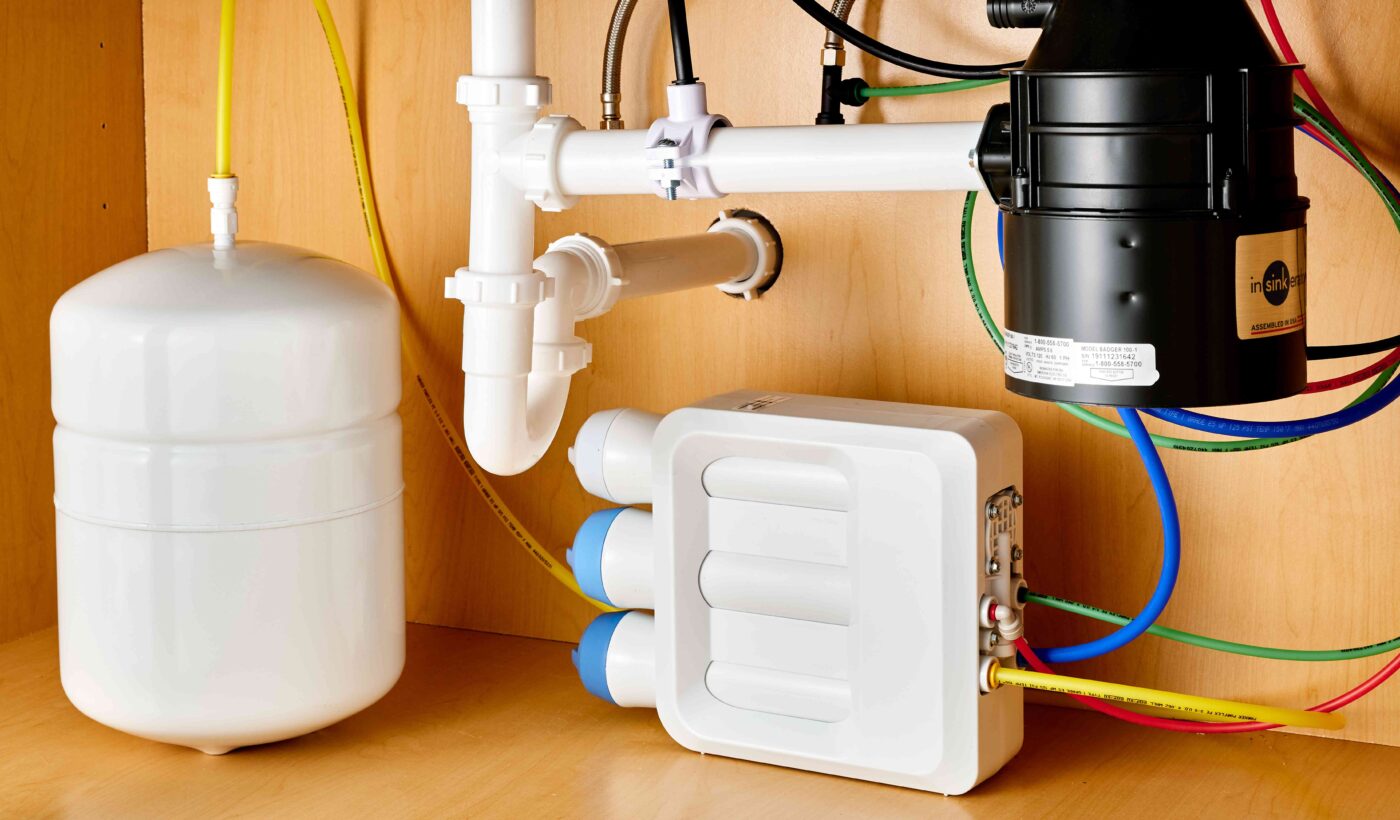
A carefully planned reverse osmosis system installation should consider available cabinet space, incoming water pressure, drainage requirements, and convenient access for future servicing.
Most residential systems deliver treated water through a dedicated faucet near the main kitchen sink.
Depending on the equipment design, installation may also involve a storage tank or an electrical connection for a tankless system.
It’s worth discussing faucet placement beforehand. You want filtered water to be easily accessible when filling a tall bottle or a large cooking pot.
These seemingly minor details can influence how much you enjoy using your system over the years.
Understanding How Reverse Osmosis Improves Water Quality
Reverse osmosis might sound complicated, but the basic principle is relatively straightforward.
Through RO drinking water treatment, water pressure moves water across a semipermeable membrane that reduces many dissolved substances. Additional filtration stages typically help address sediment, chlorine, and certain taste-related concerns.
The technology can reduce various contaminants, including specific dissolved salts and metals, depending on the system’s independently verified capabilities.
However, not every membrane or filtration arrangement offers identical treatment performance.
Homeowners should review documented contaminant reduction information before making a purchase.
A good system isn’t necessarily the one promising the greatest number of filtration stages. It’s the one that effectively addresses the substances identified in your particular water supply.
Rediscovering the Simple Pleasure of Drinking Water
There’s something refreshing about having a glass of pleasant-tasting water after mowing the lawn or spending an afternoon outdoors during the Texas summer.
When filtered water is readily available, filling a reusable bottle before leaving home becomes much more convenient.
The same applies to cooking. Preparing oatmeal, homemade soup, or a pot of rice feels easier when you don’t have to open several bottles just to get enough water.
Coffee and tea drinkers may also notice differences in flavor, although individual preferences regarding mineral content vary.
These aren’t dramatic lifestyle changes. They’re small conveniences that gradually become part of your household routine, which is often where the real value of water treatment lies.
Understanding the Costs Beyond Installation
Purchasing a filtration system involves more than paying for equipment and installation.
Replacement cartridges, membrane maintenance, and water consumption contribute to ongoing expenses.
Reverse osmosis produces a concentrate stream containing rejected substances, which is generally directed toward the drain. Different equipment designs use different amounts of water during this process.
Comparing documented efficiency ratings can help you understand potential operating costs.
When consulting a provider such as Elders Water, ask about replacement filter prices, recommended servicing intervals, and component availability.
Consider how these expenses compare with your current spending on bottled water.
A thoughtful purchasing decision should account for several years of ownership, not simply the initial price.
Keeping Your Drinking Water System in Good Condition
Once filtration equipment is installed, it’s easy to forget about it. After all, most of the components are tucked neatly beneath the kitchen sink.
Still, regular maintenance matters.
Prefilters gradually accumulate particles or exhaust their treatment capacity, while membranes require periodic replacement according to their condition and manufacturer recommendations.
Pay attention to noticeable changes in water production, taste, or flow. These changes may indicate that the equipment requires attention.
Appropriate follow-up testing is especially important when addressing health-related contaminants, since pleasant taste alone cannot establish drinking water safety.
Keeping maintenance reminders on your household calendar can make servicing much easier to remember.
Making Better Water Part of Life in Aledo
Improving drinking water quality doesn’t have to involve expensive kitchen renovations or complicated daily routines.
Start by understanding your water, select equipment with suitable treatment capabilities, and establish a manageable maintenance schedule.
Over time, having filtered water available at the kitchen sink may help reduce bottled water purchases while bringing greater convenience to everyday meals and beverages.
There’s genuine satisfaction in making a home improvement that your family can appreciate every single day.
For Aledo homeowners, reverse osmosis can offer exactly that kind of practical value — better-tasting water, thoughtful treatment, and one less thing to remember during the weekly grocery run.