Living in Fort Worth offers plenty of advantages, but dealing with unwanted pests is not one of them. The warm Texas climate allows many insects and rodents to remain active throughout much of the year. Ants, cockroaches, spiders, mosquitoes, termites, fleas, and other pests can become problems for homeowners when they find access to food, water, and shelter. Even a relatively clean home can experience an infestation when pests find an opportunity to enter.
Professional pest control treatment in Fort Worth helps homeowners address existing pest problems while reducing the chances of future infestations. Instead of relying on store-bought sprays and traps, professional services focus on identifying the source of pest activity and applying appropriate treatments to the areas where pests live, travel, and reproduce.
Common Pest Problems Around Fort Worth Homes
Different pests create different problems for homeowners. Some are primarily nuisances, while others can damage property, contaminate food, or create uncomfortable living conditions.
Ants are among the most frequently encountered household pests. They can enter through small openings around doors, windows, foundations, and utility lines. Once they discover a food source, they may establish trails between their outdoor colonies and indoor areas. Spraying the ants that are visible does not necessarily eliminate the colony responsible for the activity.
Cockroaches are another common concern. They are attracted to food, moisture, and protected hiding places. Kitchens, bathrooms, garages, laundry rooms, and areas around plumbing can provide favorable conditions. Because cockroaches can hide in narrow spaces, a visible insect may represent only a small portion of a larger infestation.
Spiders frequently appear in garages, storage rooms, closets, and other areas that receive limited disturbance. Although many spiders are not dangerous, homeowners generally prefer to keep them outside. Reducing other insect populations and addressing entry points can help make a property less attractive to spiders.
Rodents, fleas, mosquitoes, and termites also deserve attention. Each pest requires a different approach, which is why identifying the problem is an important part of effective pest management.
Why Store-Bought Treatments Do Not Always Work
Many homeowners initially attempt to handle pest problems themselves. Hardware stores offer numerous insecticides, bait stations, traps, and other products that can be useful for certain situations. However, selecting the wrong product or applying it in the wrong location can produce disappointing results.
For example, spraying an ant trail may kill the workers currently traveling through an area without addressing the colony. Cockroaches can continue reproducing in concealed spaces even when homeowners regularly spray visible insects. Rodents may avoid traps when their entry points and nesting locations remain undiscovered.
Another problem is that different pests respond to different treatment methods. An approach that works for ants may not be appropriate for termites, fleas, or bed bugs.
Professional pest control treatment focuses on the specific pest involved rather than applying the same solution to every situation.
What Happens During Professional Pest Control Treatment?
A successful pest control program begins with understanding the property and the nature of the infestation. An inspection helps identify signs of activity, potential entry points, and conditions that may be attracting pests.
Depending on the problem, an inspection may include examining:
- Exterior walls and foundation areas.
- Doors, windows, and other possible entry points.
- Kitchens, bathrooms, and plumbing areas.
- Garages, storage spaces, and utility rooms.
- Landscaping, mulch, and vegetation near the structure.
- Areas where homeowners have noticed recurring pest activity.
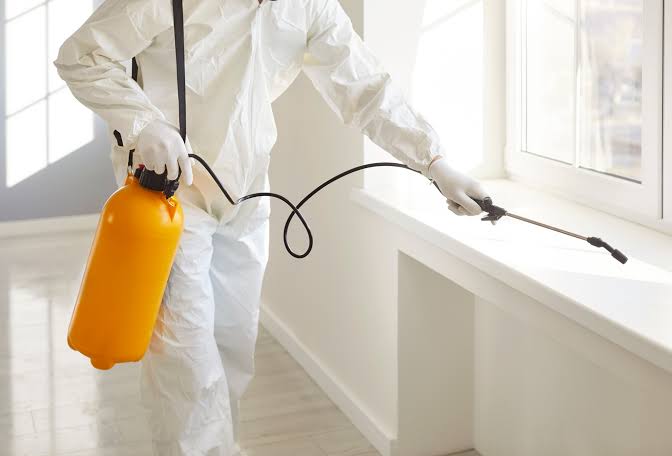
After identifying the problem, an appropriate treatment strategy can be selected. This may involve targeted insecticide applications, baiting, traps, exclusion recommendations, or other pest-specific methods.
The objective is to address the infestation while reducing the conditions that allow pests to return.
Preventing Pests From Returning
Professional treatment is important, but homeowners can also take practical steps to make their properties less attractive to pests.
Start by keeping food in sealed containers and cleaning up crumbs and spills promptly. Avoid leaving dirty dishes in sinks overnight, and empty kitchen trash regularly. Even small amounts of food can attract ants, cockroaches, and rodents.
Moisture control is equally important. Repair leaking faucets and pipes, address drainage problems, and avoid allowing water to accumulate around the home. Many household pests depend on accessible water sources.
Exterior maintenance also matters. Seal openings around utility lines, repair damaged screens, and install appropriate door sweeps. Trim vegetation that touches the house and remove unnecessary debris from around the foundation.
These steps will not eliminate every pest problem, but they can make a meaningful difference when combined with professional pest management.
Specialized Pest Control for More Difficult Infestations
Some pest problems require more specialized attention than general household treatments. Bed bugs are a good example. These insects can hide in mattress seams, bed frames, furniture joints, and other narrow spaces. They can spread through travel, used furniture, and personal belongings.
Homeowners who discover signs of bed bugs should avoid assuming that ordinary household insecticides will resolve the problem. Professional identification and an appropriate treatment strategy are important.
For additional information, visit our page about bed bug treatment fort worth.
Termites also require specialized treatment because they can damage structural wood while remaining concealed. Mud tubes, discarded wings, and damaged wood can indicate termite activity. An inspection is important when these warning signs appear.
Year-Round Pest Protection in Fort Worth
Pest activity does not follow a single schedule. Ants and other insects may become more noticeable during warmer periods, while rodents and certain insects may seek shelter indoors as outdoor conditions change. Rainfall, drought, landscaping, construction, and surrounding property conditions can also influence pest activity.
For that reason, waiting until an infestation becomes severe is not always the best approach. Regular attention to pest prevention and early treatment can help homeowners avoid larger problems.
A pest-free home starts with identifying problems early and choosing the right approach to control them. Whether you are dealing with ants in the kitchen, cockroaches in the garage, spiders around the house, or another unwanted pest, professional assistance can help restore your comfort.
Visit gofortworthpestcontrol.com to learn more about pest control treatment in Fort Worth and keeping unwanted pests out of your home.